
 Australien
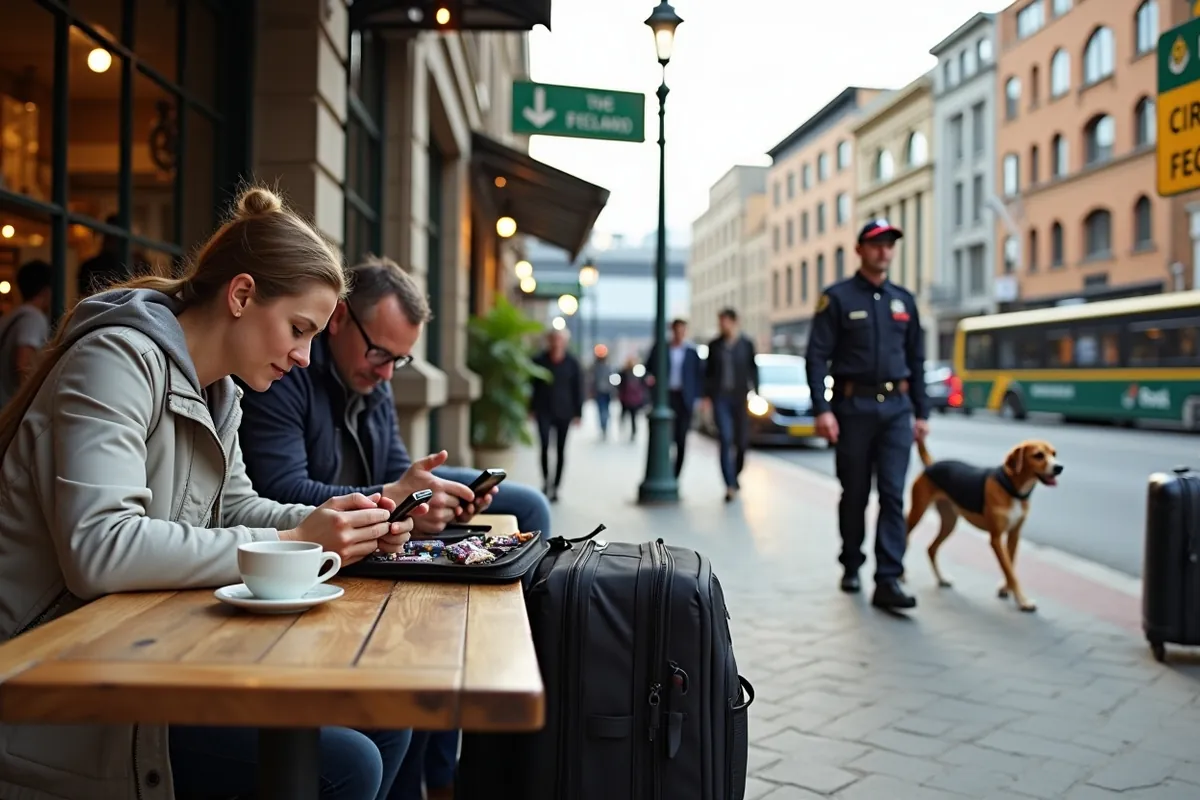
It is just after dawn at Sydney Airport, and the green sign for “Nothing to declare” is tempting. At the same moment, you see a dog handler pass by with a beagle that is methodically sniffing along the bags. Australia is uncompromising. New and clearer biosecurity procedures mean that more travelers are stopped for questions about snacks, dietary supplements, and medications.
Australia’s Department of Agriculture, Fisheries and Forestry has recently intensified compliance checks in the arrival flow, with a more consistent assessment of what needs to be declared and what can lead to confiscation or penalties. The message on the Australian government website is straightforward: “Declare all food, plant material, and animal products.” This includes items that may seem harmless in Swedish daily life.
Myth 1: Packaged Items from Sweden Are Always Okay
Many Swedes believe that industrially packaged goods are automatically approved. The truth is that they may often be allowed, but only if they meet the conditions and you declare them. Australia assesses risk, not the reputation of the country of origin.
Protein bars with nuts, dried fruit, or honey may trigger questions. The same goes for tea bags with plant parts, spice mixes, and broth that contains animal ingredients. If you are unsure, check the box indicating you have food items on the Incoming Passenger Card and let the staff decide.
Tip: Double-check current requirements on VIZA.se before booking your flight.
Myth 2: Medications Are Private and Do Not Need to Be Mentioned
This is a persistent misconception. Medications can be completely allowed, but you may need to show that they are for personal use and are correctly labeled. Australian border authorities may also inquire about controlled or prescription substances.
Bring medications in their original packaging. Have a prescription or a certificate in English if you are traveling with a larger quantity, injectable medications, or controlled substances. Customs and biosecurity are different tracks, but you often end up in the same conversation during arrival control.
Quick Overview for Swedish Travelers
| Item in Carry-On or Suitcase | What Authorities Usually Want to See | Recommended Action Upon Arrival |
|---|---|---|
| Packaged snacks with nuts, fruit, honey | Ingredient list, unopened packaging | Declare, show if asked |
| Homemade sandwiches, cheese, cold cuts | Origin and type of animal content | Expect confiscation, always declare |
| Dietary supplements and powders | Label with content and quantity | Declare if unsure, keep label easily accessible |
| Prescription medication | Original packaging, prescription or certificate | Have documents ready, keep them organized |
| Herbal preparations and traditional remedies | Full ingredient list | Declare, avoid unknown mixtures |
Myth 3: Throwing Food Away on the Plane Is Enough
Throwing away a banana at the last minute may seem like a solution. However, Australia actively works against risk items ending up in the wrong waste and travelers “forgetting” leftovers. If staff determine that you attempted to avoid declaration, the consequences can be much harsher than a confiscation.
Australia’s message is that declaring items is not dangerous. It is failing to declare that creates problems. Authorities openly state that sanctions can be applied for incorrect information and that checks are part of protecting agriculture and the environment.
Myth 4: Dogs Only Search for Drugs
Biosecurity dogs are often trained to detect food, plant material, and animal products. This means that a chocolate bar, a bag of jerky, or an apple can trigger a response. If the dog indicates, expect questions and sometimes a bag check, even if you think you packed “normally.”
If you want to reduce the risk of complications, keep all edible items organized. Place them together in a bag so you can quickly show them. This often makes the inspection faster and more straightforward.
What You Should Do Now Before Traveling to Australia
Australia requires you to fill out the Incoming Passenger Card correctly. Spend five minutes reviewing what you actually have in your bag, including items you received on the flight or in transit. Use the word “yes” one time too many rather than one time too few and ask the staff for help.
- Keep medications in original packaging and bring a prescription or certificate in English.
- Pack food items together and keep them accessible.
- Declare all food, plant material, and animal products.
- Avoid homemade meals and opened animal products.
- Double-check what your dietary supplements actually contain.
Australia does this for a clear reason. The country’s biosecurity regime is one of the strictest in the world, and authorities are transparent about prioritizing the protection of ecosystems and food production. For you as a Swedish traveler, the key is simple. Be open, declare, and have your documents ready. This way, your encounter with the beagle patrol in the arrival hall will mostly be a brief interlude on your way to your first coffee in the city.