 Angola
Cash, Cards, and Currency Exchange in Angola Without Mistakes
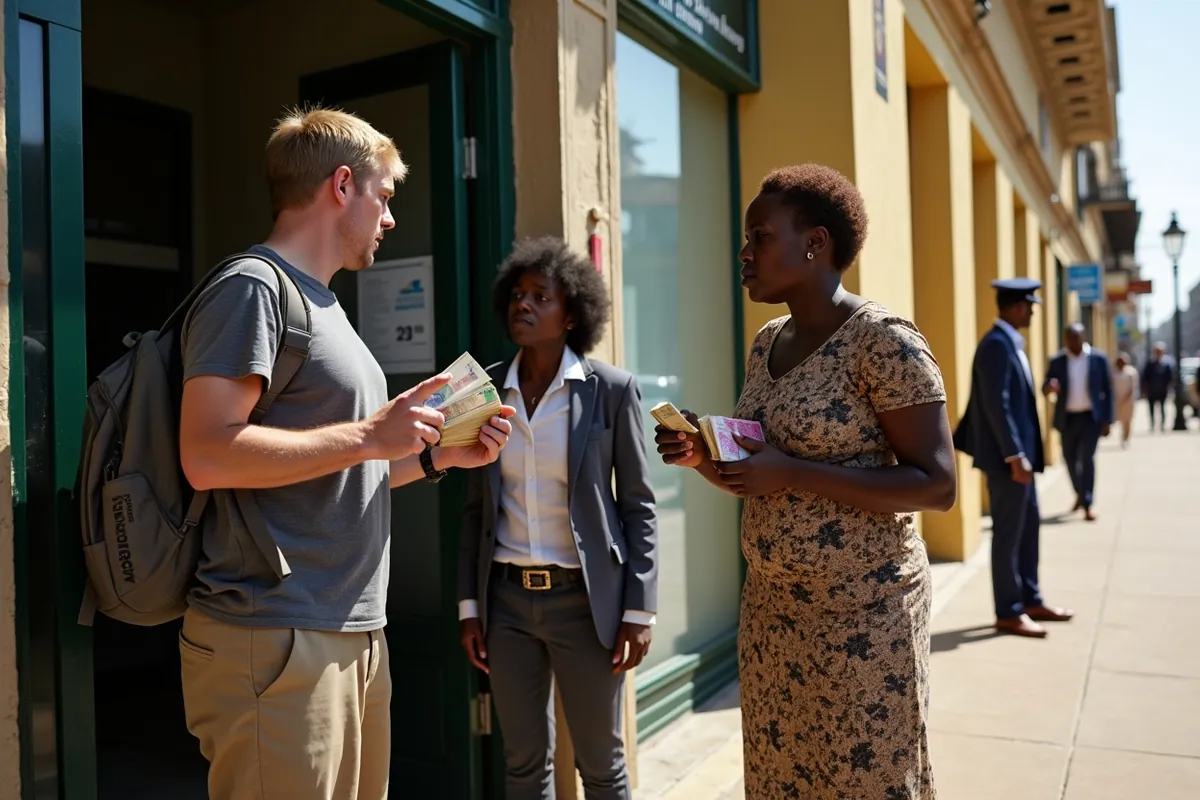
In December 2023, Angola tightened the requirements for currency exchange with formal operators, and this is noticeable in practice. More hotels and banks are asking for passports when you exchange, and spontaneous exchangers outside banks are both fewer and more intrusive. For those traveling with Swedish kronor or euros, this means that planning for cash needs to be in place from day one.
Where Cards Work and Where They Often Fail
Luanda may feel modern, but the payment landscape is uneven. At larger hotels, better restaurants in Talatona, and certain grocery stores, Visa and Mastercard may work, but I have seen terminals offline for hours on multiple occasions. In such cases, it does not help that you have three cards in your wallet.
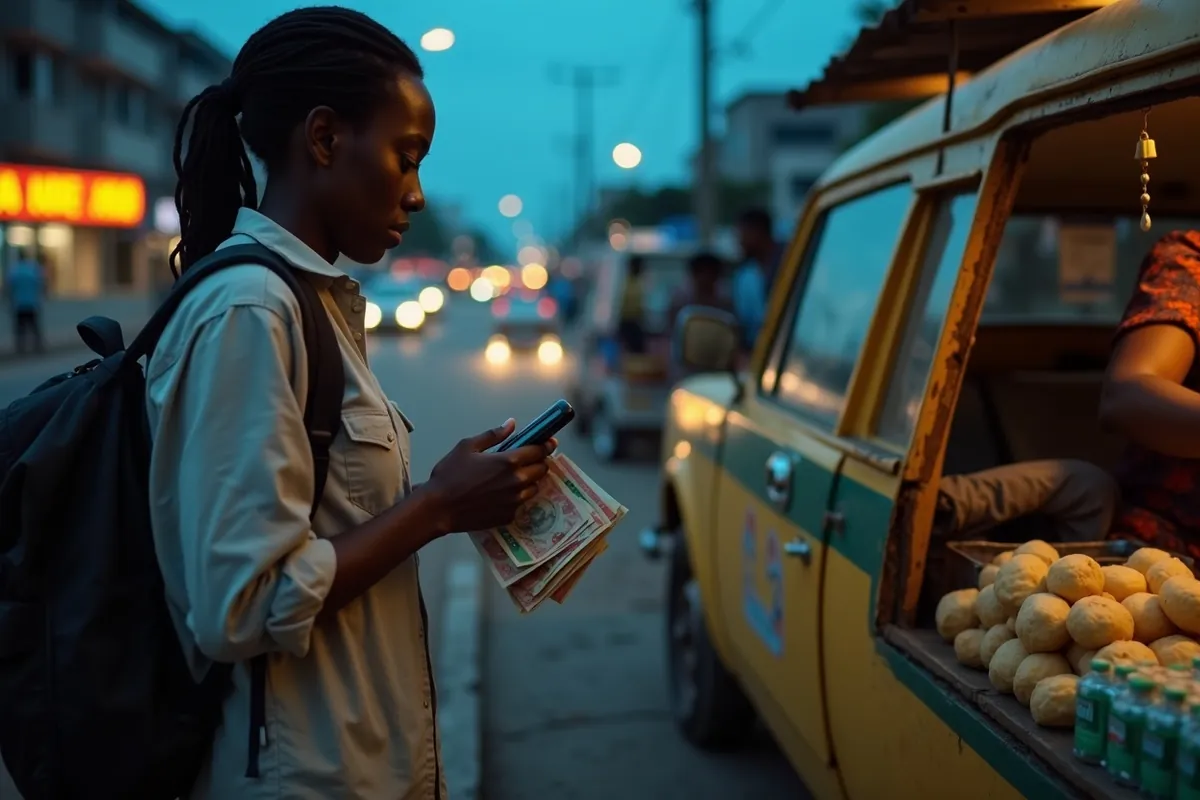
Outside Luanda, cash quickly becomes king. In smaller towns and at roadside eateries, it is often only kwanza that is accepted, and sometimes they want to see small bills due to a lack of change.
Expect to need cash every day in Angola, even if you are staying in nice places and plan to “pay with a card.”
Exchange Currency Correctly in Angola, and Do It in a Safe Way
The best routine I found was to exchange in smaller amounts at a bank or exchange office connected to a shopping mall. You receive a receipt, the exchange rate is clearer, and you avoid discussions. Bring your passport, as it is often requested.
Euros are the easiest to exchange. Swedish kronor are more difficult, and you risk getting a worse rate or being outright refused. If you only have SEK with you, plan to withdraw kwanza from an ATM instead.
On VIZA.se, you can check exactly what documents are required for your specific trip.
ATMs in Luanda and Withdrawals That Don’t Become Unnecessarily Expensive
ATMs are available, but they are not always reliable. Sometimes they take the card, and sometimes you may get a declined withdrawal but see a reservation on your account. I stuck to ATMs at larger banks and malls, avoiding solitary machines late at night.
Always choose local currency when the ATM asks about the exchange rate. This way, you avoid having your withdrawal governed by an expensive dynamic currency conversion. It may be worth double-checking with your Swedish bank what fees apply for withdrawals outside the EU, as the difference can be greater than you think.
Quick Table to Help You Plan
| Situation in Angola | Best Payment Method | Why | My Pitfall |
|---|---|---|---|
| Hotels in Luanda | Card, have cash backup | Terminals are available, but can go down | Only having cards and getting stuck at checkout |
| Taxi and moto in Luanda | Cash in small bills | Quick and accepted | Needing change for large bills |
| Food market and street food | Cash | Cards are rarely accepted | Showing the entire wallet |
| Domestic travel and smaller towns | Cash | Few terminals, unreliable connections | Assuming there will be an ATM on site |
Prices and Bills That Actually Work in Everyday Life
For small purchases, it is nice to have a bundle of smaller denominations. A coffee or a simple snack often costs less than a restaurant meal at a hotel, but it is the change that complicates things. I used to ask for small bills directly when I exchanged; otherwise, you end up with large bills that no one wants to break.
Expect imported goods to feel expensive, especially in Luanda. Local dishes and simpler places often become more reasonable, but payment is almost always made in kwanza.
Safe Handling of Money in Angola
Luanda is a city where being discreet pays off. Only bring the cash you need for the day, and leave the rest in hotel safes if available. When paying, try to have the bills ready in your pocket or a separate compartment so you are not fumbling around.
Do not exchange on the street even if the rate sounds better. In Angola, safety and a receipt are often worth more than a few extra kwanza.
Three Concrete Arrangements That Usually Work
- Exchange euros to kwanza in smaller amounts, and ask for small bills.
- Use cards at hotels and larger restaurants, but assume the terminal may be down.
- Have a “taxi budget” in cash separately, so you do not need to pull out your entire wallet.
When Traveling with Family or for Work, Think Smart
When with family, it is nice to minimize stops for withdrawals. I would make a larger exchange early in Luanda and then just top up as needed in safe environments like malls. For business trips, it is common for hotels and drivers to invoice or accept cards, but still expect that tips, small errands, and quick transports require cash.
Angola rewards those who plan their cash flow. If you have euros, a clear exchange routine, and some small bills in your pocket, you can avoid the most expensive mistakes and focus on your trip.