 Filippinerna
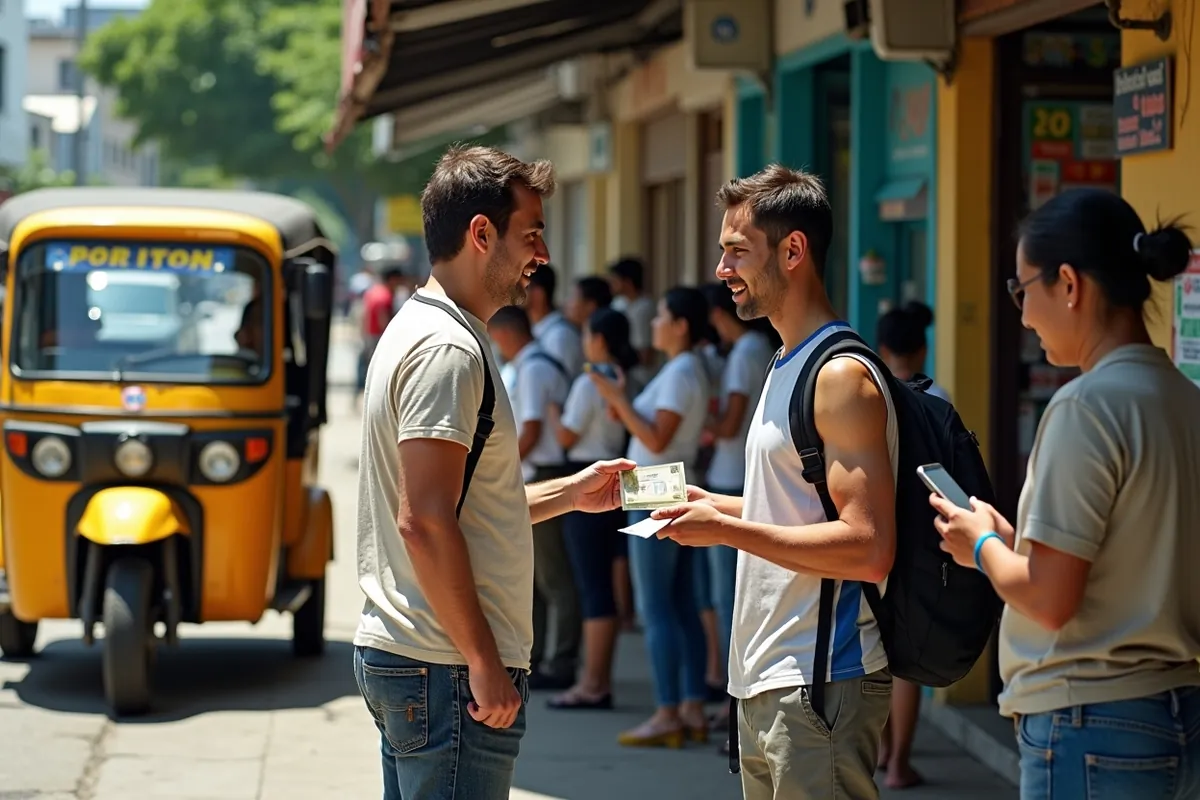
The first time I tried to pay for a tricycle in Cebu City, I handed over a 1,000 peso bill and received a look that said it all. The driver had no chance to make change, and the line behind me was growing. There was no drama, just a quick lesson in how things work in the Philippines: small bills are sometimes more important than which card you have in your wallet.
Philippine Pesos in Reality
In the Philippines, the currency is the Philippine peso, PHP. You will see prices written as ₱ or PHP, and many everyday purchases fall in the range of 20 to 300 pesos, especially outside the largest shopping malls.
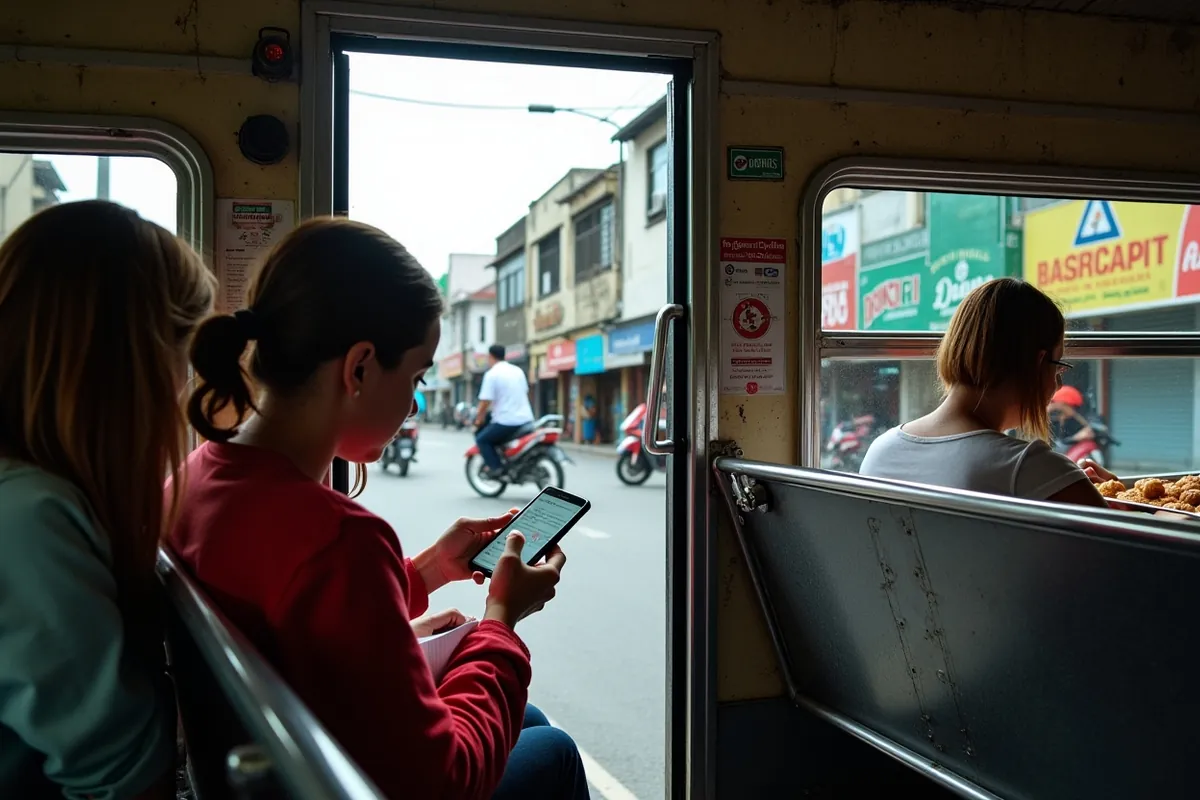
Cash is still the backbone of much of daily life. In Manila and on major resort islands, you can often pay with cards at hotels, larger restaurants, and in shopping malls, but as soon as you take a jeepney, pay entry to a smaller beach, or buy fruit at the market, cash becomes the standard.
Always keep small bills in your pocket, especially 20, 50, and 100 pesos. This reduces friction in everything from taxis to tips and small purchases.
ATMs in the Philippines: How to Avoid Unnecessary Fees
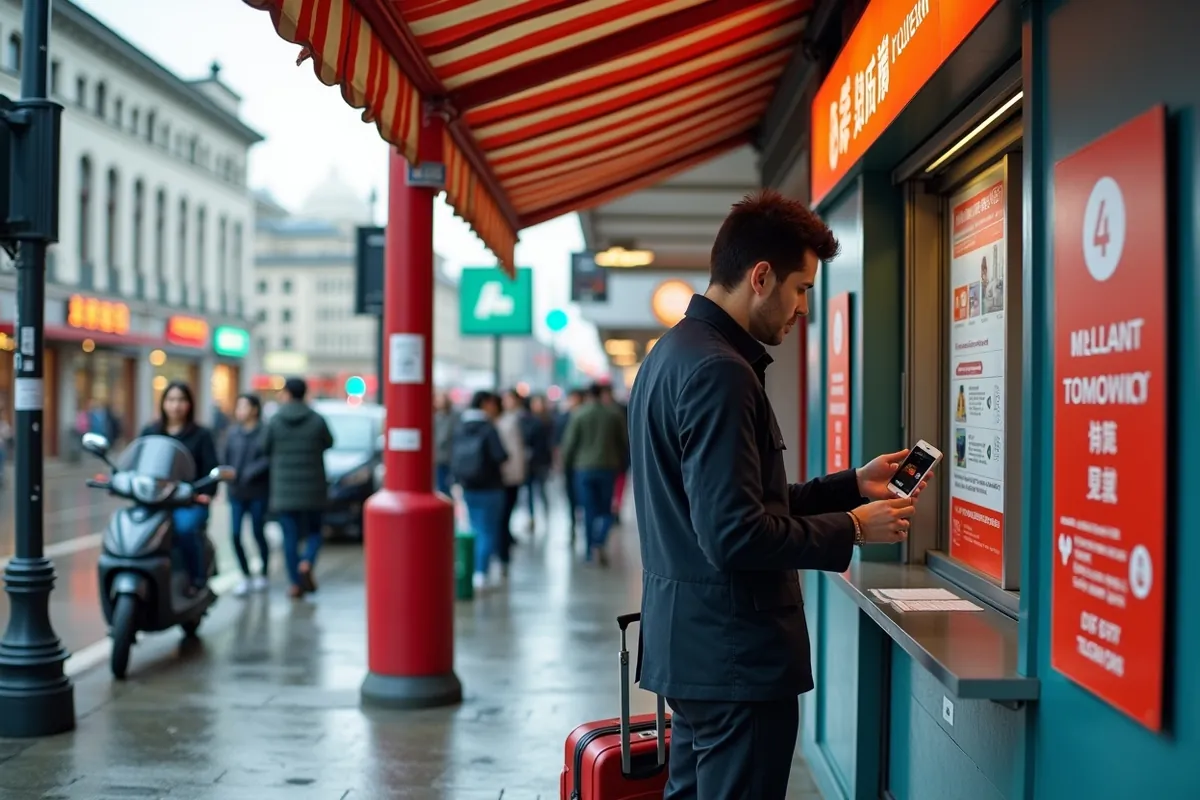
ATMs are pretty much everywhere there is a larger shopping mall, an airport, or a bank branch. The challenge is that withdrawal limits are often lower than at home, and fees can appear at multiple levels.
Many Philippine ATMs have a maximum withdrawal limit that means you need to withdraw multiple times if you want a larger cash buffer. This can get expensive if your Swedish bank charges a fixed withdrawal fee per transaction.
One concrete pattern I have seen in Makati and on Mactan is that the ATM offers its own exchange rate, known as dynamic currency conversion. Always choose to be charged in PHP, not in SEK, otherwise you risk a worse rate and extra charges.
When the ATM says the transaction cannot be completed, try another machine before panicking. It could be out of cash or experiencing temporary network issues, which is more common than you think in smaller towns.
Cash: How Much is Reasonable to Carry
In the Philippines, it is smart to think in stages. Keep a small amount of cash easily accessible for daily expenses, and store the rest securely at your accommodation or in a hidden compartment.
On islands like Siargao, Bohol, and Palawan, the difference is noticeable. In some villages, there may only be one or two ATMs, and they can be out of order or out of cash during weekends and paydays.
A practical approach is to withdraw more when you pass a larger city or shopping mall, and then live off that for a few days. This way, you avoid hunting for an ATM when you really want to be at the beach.
Card Payments: Where They Work and Where They Often Fail
Cards are most common in the Philippines where tourism is most organized. Hotels, dive centers, and chain restaurants often accept Visa and Mastercard. Smaller places may take cards, but only if their terminal and connection are working, and that is not always the case.
Expect that some businesses will add a card fee. It could be a percentage surcharge that they mention at the register, or it may appear on the bill. Ask before you order if you want to avoid surprises.
When paying with a card on-site, it is good to have an alternative payment method ready. A backup credit card, a second card, or cash. The Philippines is not the country where you want to be without options when a terminal suddenly loses signal.
Digital Payments and E-Wallets in the Philippines
You will hear about GCash and Maya, especially in cities and among younger people. They are very common for locals, but as a Swedish traveler, it is not always as smooth to set up, depending on local registration requirements and how your phone and identity can be verified.
Think of them as a bonus track, not your plan A. For most Swedes, the combination of cards plus cash works best, with ATM withdrawals as the base.
Currency Exchange: Where It Is Reasonable and Where to Be Careful
Exchanging money is easiest at the airport if you only need a small starting amount for taxi and food. The rates may be worse than in town, so only take what you need for the first day.
In Manila, exchange offices in business districts and larger malls are often more competitive than small exchangers in tourist areas. On smaller islands, the supply may be limited, and the ATM often becomes the best way to get pesos.
Avoid exchanging on the street or through unknown intermediaries. The Philippines is generally friendly, but counterfeit bills and creative exchange schemes do occur, especially where tourists gather.
Tipping and Small Payments: How to Do It in the Philippines
Tipping in the Philippines is common but not always formal. In many restaurants in Manila, a service charge may already be included. In smaller places, a little extra is often appreciated, especially if you received good service.
In practice, it is small bills that make everything easy. Being able to give 20 to 50 pesos to someone who helps with bags, or rounding up for a short ride, feels natural in everyday life.
- Have 500 and 1,000 pesos for larger payments, but break them early in a mall or at a larger restaurant.
- Save 20 and 50 pesos for transport, water, and fast food.
- Always keep a small cash reserve separate in case your wallet goes missing.
- Ask if a service charge is included before tipping at a restaurant.
- Choose to be charged in PHP when asked during card purchases or withdrawals.
Money Safety, Especially in Manila and Tourist Areas
The Philippines does not require you to walk around nervously, but it pays to be discreet. In crowded areas, such as markets, bus terminals, and certain parts of Manila, it is wise not to display large bundles of cash.
Use ATMs in places with security and good lighting, which often means inside a mall or near a bank. If an ATM looks tampered with, or if the card reader feels loose, move on.
If you are traveling between islands, keep in mind that ferry terminals and smaller ports can be stressful. Keep your daily cash easily accessible, but store the rest securely so you do not have to open your entire wallet in a crowd.
When Traveling with Family or Just Staying Briefly
When traveling with children, it becomes especially clear how often cash is needed for ice cream, entry fees, small shops, and spontaneous tuk-tuk-like rides with tricycles. Plan so that you do not need to hunt for an ATM when someone is hungry or tired.
If you are only staying 48 hours in Manila, you can basically get by with cards at hotels and in malls, but you will still want pesos for taxis, tips, and small purchases. Withdraw once, and keep it simple.
If you are going to work for a few days in Makati or BGC, cards work better, but expect that lunch spots and simpler cafes sometimes prefer cash or local e-wallets. A cash buffer ensures you do not get stuck.
Quick Table of Common Costs and Payment Methods
| Situation in the Philippines | Typical Cost in PHP | Most Common Payment | Comment |
|---|---|---|---|
| Tricycle short distance in the city | 50 to 150 | Cash | Keep small bills, change may be unavailable |
| Jeepney | 13 to 30 | Cash | Often paid with small coins and small bills |
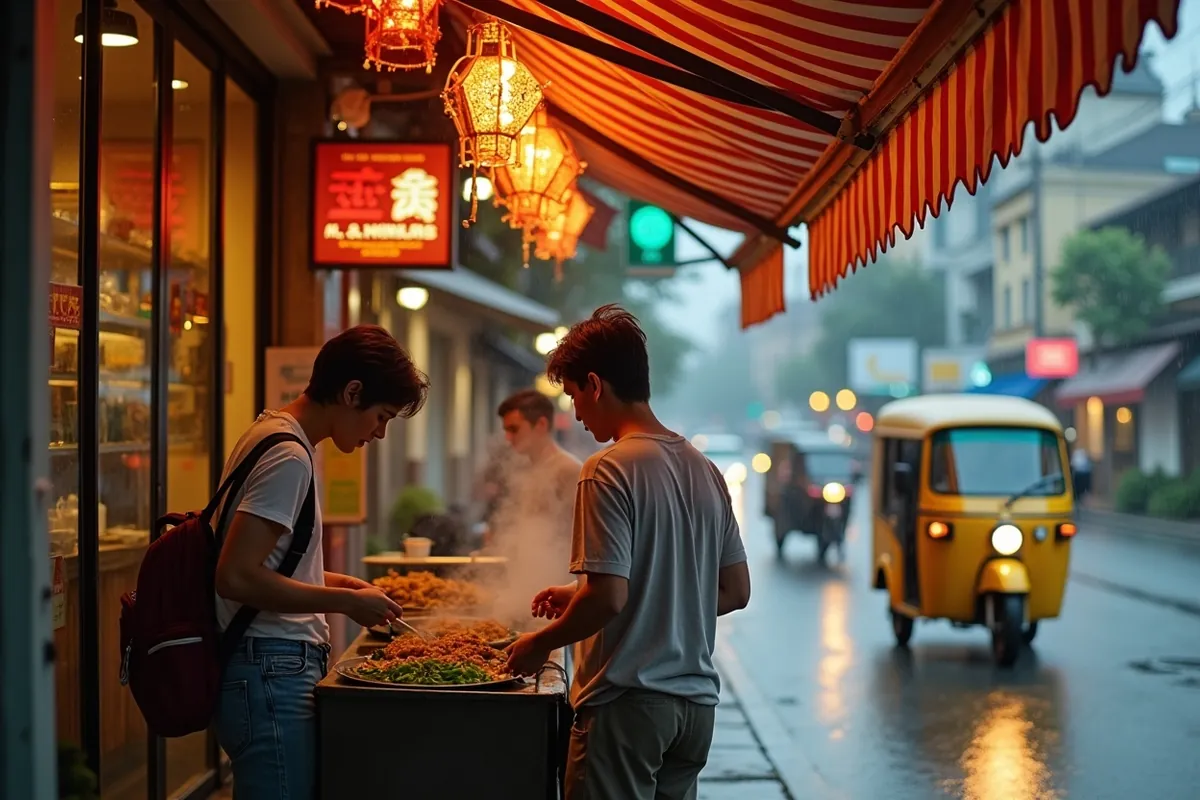
| Meal at a simple carinderia | 80 to 200 | Cash | Cheap and local, rarely card |
| Restaurant in a mall | 300 to 900 | Card or cash | Sometimes service charge, sometimes card fee |
| Withdrawal at ATM | Varies | Card | Withdrawal limit may be low, fees may apply |
| SIM card and top-up | 50 to 300 | Cash | Small kiosks often only take cash |
Visa and Payment Strategy Go Hand in Hand
Your payment strategy is influenced by how long you stay. If you plan to stay longer, travel between islands, or perhaps extend your stay, it becomes more important to have functioning cards, a banking app, and a withdrawal plan. If you are unsure which visa type suits you, VIZA.se has a good overview.
Make an initial withdrawal round in a mall when you land in Manila or Cebu. This gives you good access to ATMs, currency exchange, and a safe environment.
The Philippines rewards those who are practical. With pesos in the right denominations, a card that works for withdrawals, and the habit of always choosing PHP when charged, you can pay smoothly from city to beach bar, without wasting unnecessary money on fees.