
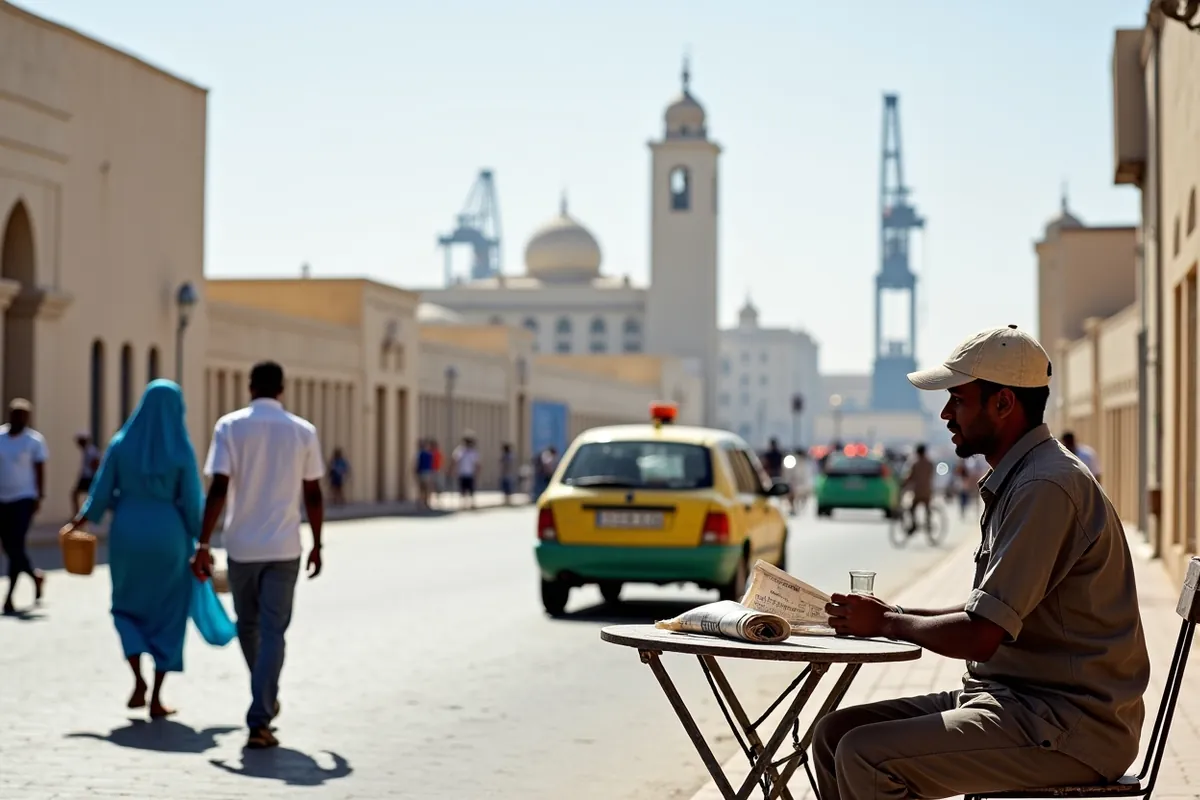
 Djibouti
Most people think of Djibouti as a destination where logistics are always complicated and everything hinges on a long detour. In practice, new and resumed routes have made the journey more predictable, but also more regulated, especially when changing flights in the Middle East or East Africa. For Swedish travelers without direct flights, it is less about finding a ticket and more about understanding what counts as transit, when you actually pass through border control, and how Djibouti’s e-visa fits into the schedule.
What Has Changed in Flight Routes to Djibouti
Djibouti Ambouli International Airport is small but strategic. This is evident now as more travelers move between Europe, the Gulf, and the Horn of Africa with better connections, often via hubs that can provide shorter total travel times than before.
For you in Sweden, this means you will more often find tickets with one layover instead of two, and that the layovers are sometimes tighter. It sounds like a pure improvement, but it also means that a missed connection can shift you from “just transit” to an actual entry into the transit country, depending on the airport’s layout and whether you need to collect baggage.
Why Swedes Still Don’t Have Direct Flights but Can Travel More Smoothly
There are still no regular direct flights from Sweden to Djibouti, and that is not surprising. The demand is niche, and much traffic is linked to regional flows, defense, shipping, and international organizations.
What makes a difference now is that you can plan more like a regular long trip. You can build your journey around a stable hub, include a reasonable margin, and avoid the most unusual combinations with overnight stays in the wrong places.
The Most Common Routes Right Now and What They Mean in Practice
In practice, I see three patterns that recur for Swedes booking Djibouti. Either you fly via Paris and then take a regional connection, or via Istanbul and onward to the Horn of Africa, or via the Gulf states with a layover to Djibouti or nearby airports.
The difference lies in how transit works. Some airports allow you to stay airside even during longer layovers, while others require you to pass through control if you need to change terminals or collect baggage. This affects which documents you need even before leaving Sweden.
| Travel Setup to Djibouti | Typical Number of Layovers | Common Pitfall | Good to Plan For |
|---|---|---|---|
| Europe hub to regional connection | 1 to 2 | Short connection, baggage may need to be collected | Longer connection and the same ticket all the way |
| Istanbul or another large hub | 1 | Terminal change may require formal entry | Be aware if you can stay airside |
| Gulf hubs | 1 | Overnight layover, hotel may require entry | If you want to sleep, check visa requirements for the transit country |
Do You Need a Visa for Djibouti as a Swede and When Should It Be Ready
Yes, Swedish citizens need a visa for Djibouti for regular visits such as tourism or business. What matters with the new routes is timing, as better connections mean many book closer to departure than before.
Djibouti uses e-visas for many travelers, and it is often the smoothest way to avoid extra steps upon arrival. Still, expect to have everything ready before departure, especially if your journey goes through a hub where staff want to see that you have the correct entry documents for your final destination.
My best advice after Djibouti is to have your e-visa approved before you lock in the tightest connections. It removes a stress factor when you already have two boarding passes and a short connection.
The Transit Question That Trips Up Most When Flying Without Direct Flights
It is easy to think that a layover is just a layover. In reality, small details determine whether you are considered entering the transit country, such as whether you need to collect baggage and check in again, or if you are changing between two separate tickets.
If you are flying on separate tickets, the risk increases that you will need to go landside. Then the transit country’s own rules regarding visas or entry may become relevant even if you are just continuing to Djibouti. This is one reason why the same route can be seamless for one traveler and impossible for another.
What Documents Are Typically Required for Djibouti as Routes Increase
Djibouti is practical on the ground, but formal at the border. As more people fly in via large hubs, the control often becomes more standardized, and you need to be able to show that you have a clear setup.
You typically get far with a passport that is valid during your stay and a clear plan for departure. I recommend having a booking confirmation for accommodation and a return ticket or onward ticket, as that is often exactly what is requested when the journey includes multiple segments.
On VIZA.se, you can check exactly which documents are required for your specific trip.
How the New Routes Affect Pricing from Sweden in SEK
As Djibouti becomes easier to reach via a large hub, prices tend to stabilize, but not always decrease. Instead, you get more departures to choose from, allowing you to avoid the most expensive days.
For Swedish travelers, I see that the biggest savings often come from avoiding an extra overnight stay along the way. A hotel night in a transit hub can quickly eat up a cheaper ticket, especially if you also need to arrange entry requirements just to leave the airport.
Particularly About Arrival Times to Djibouti and Why It Matters
Many flights to Djibouti land late or early, depending on connections. This affects everything from how you get to your accommodation in Djibouti City to how smoothly border control goes.
If you arrive in the middle of the night, you will want to have transport arranged in advance and an address that is easy to communicate. It may sound trivial, but after a journey with a layover and perhaps a time difference, it is nice to avoid negotiations on-site.
If you need to change your travel plans at the last minute, double-check that your hotel booking in Djibouti still matches your new arrival time. Night arrivals are common, and receptions are not always staffed.
What You Should Do Now If You Are Booking Djibouti from Sweden
The great thing about the new routes is that you can travel more flexibly. But flexibility requires that you organize your paperwork early and build your trip so that transit is truly transit.
Focus on five things and keep them simple.
- Preferably choose one ticket all the way to Djibouti.
- Avoid overly short layovers unless you can stay airside.
- Ensure your e-visa for Djibouti is ready before you travel.
- Have your accommodation address and departure details easily accessible.
- Have a plan for night arrivals and transport in Djibouti City.
My Take After Traveling via Hubs to Djibouti
Djibouti is one of those places where the journey shapes the entire experience. As routes improve, the risk shifts from “not finding a way” to missing a detail in the transition between flights.
If you build your trip around a safe connection, stick to a cohesive ticket, and have your visa ready well in advance, Djibouti suddenly feels much closer. And when you stand by the Tadjoura Bay or plan a trip to Lake Assal, you will be glad that logistics did not drain all your energy on the way there.