 Maldiverna
Most people think of the Maldives as simple, sun, sea, and done. In reality, the details determine whether your trip feels smooth, such as how to get from Malé, what you can actually buy on a local island, and the rules regarding clothing and alcohol.
The Maldives is not a single destination; it is a string of islands with different logic. A resort island functions like a small world of its own, while a local island has everyday life, mosques, prayer times, and stricter norms. Packing and planning therefore vary depending on where you will stay.
What is Most Important to Pack for the Maldives
The heat and sun can trick many into packing too lightly. The humidity makes clothes feel damp faster, and saltwater wears on everything from mobile connectors to swimwear.
Start with sunscreen that works in a tropical climate. Bring a small bottle for the first few days and buy the rest on-site if you wish, but be prepared for limited availability and higher prices on local islands.
A thin long-sleeved shirt and lightweight long pants are invaluable. They protect against the sun, mosquitoes, and cold air conditioning on speedboats and domestic flights.
Bring a waterproof mobile pouch or a simple dry bag; salt spray on speedboats between Malé and the islands is more common than many think.
How Dress Codes Work on Local Islands and Resorts
On resort islands, you can essentially wear swimwear all day. On local islands, a more conservative everyday norm applies, especially near the harbor, cafes, and around the mosque.
Most local islands have a designated bikini beach where swimwear is acceptable. Outside of that area, it is wise to cover shoulders and thighs, both out of respect and to avoid unnecessary attention.
For women, a light kimono, sarong, or loose shirt dress is usually sufficient. For men, a t-shirt and shorts work well, but avoid going shirtless in the village.
What Travel Documents and Entry Requirements Should You Be Aware Of
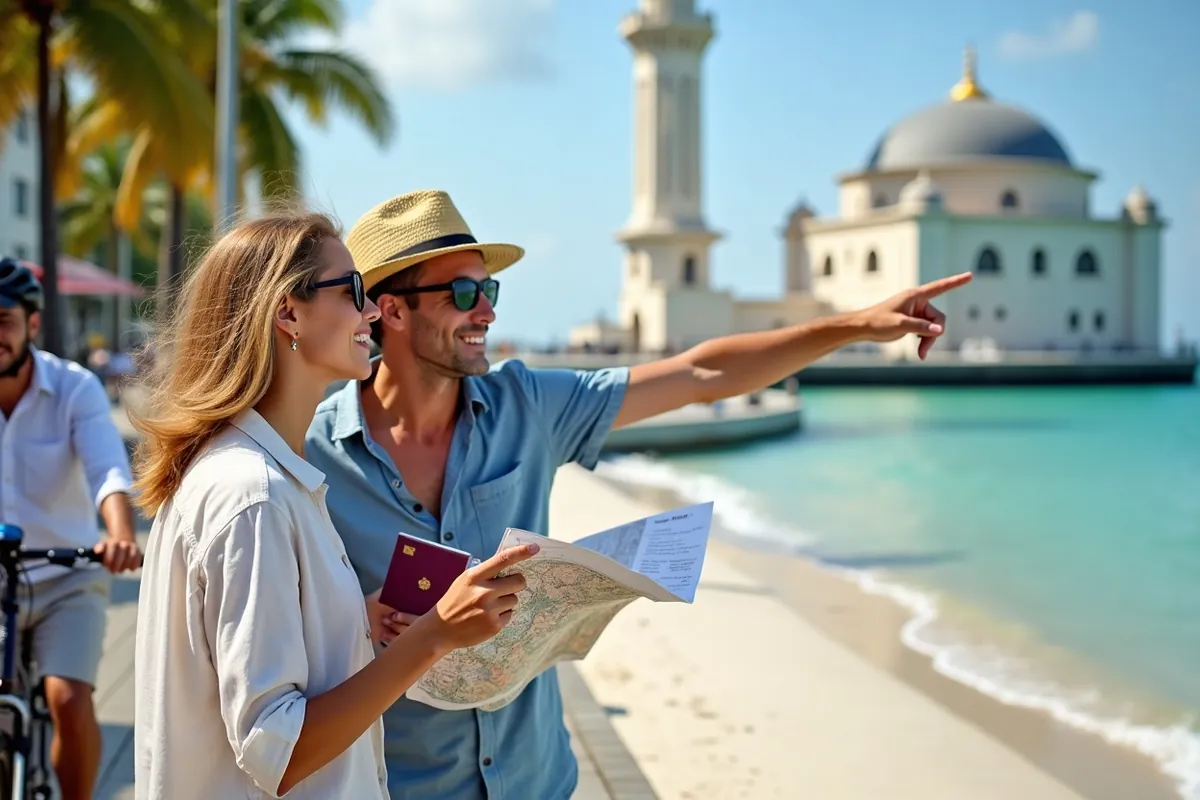
Swedish travelers typically receive a tourist stay upon arrival in the Maldives, but you still need to meet conditions that may be checked. This often involves passport validity, booked accommodation, and proof of onward travel.
The Maldives uses a digital travel declaration, IMUGA, which you usually fill out close to arrival and also before departure. The entire application process is described step by step on VIZA.se.
Additionally, have your booking confirmations easily accessible on your mobile. If you want to be extra safe, save a PDF version offline.
How Much Money Do You Need and What Do Things Cost
USD is the practical tourist currency in the Maldives. On resorts, almost everything is priced in USD, and on local islands, you can often pay in both Maldivian rufiyaa and USD.
Cards often work well, but it is smart to have cash for speedboats, small shops, and tips. ATMs are available in Malé and on some larger islands, but not everywhere.
Here is a rough price overview that can help when planning your budget in Swedish kronor.
| Expense in the Maldives | Typical Price Range | Comment |
|---|---|---|
| Speedboat Malé to local island round trip | 50 to 120 USD | Depends on distance and operator |
| Domestic flight to a more distant atoll one way | 120 to 250 USD | Often plus boat for the last leg |
| Lunch on a local island | 6 to 15 USD | Curry, noodles, grilled |
| Dinner at a resort | 40 to 120 USD | Often service charge and tax |
| Sunscreen on a local island | 15 to 30 USD | Limited selection, higher price |
How to Get from Malé to the Right Island Without Stress
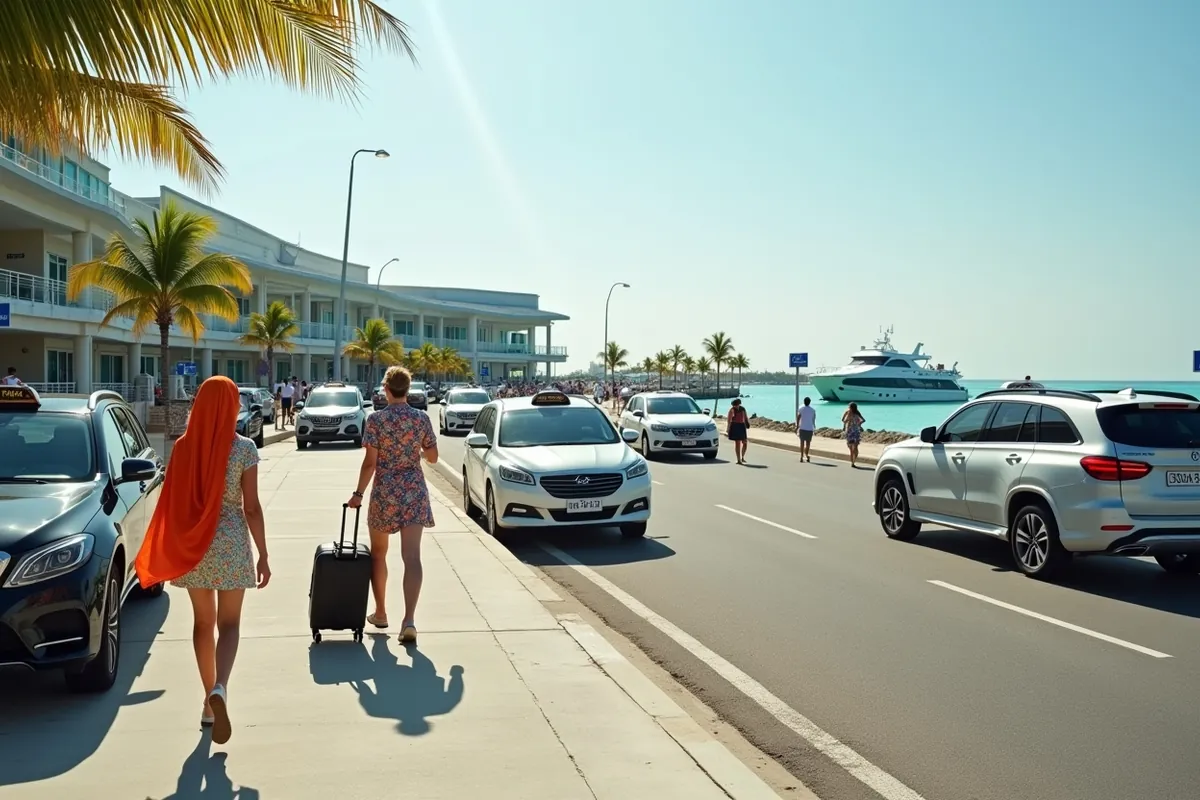
All logistics in the Maldives start in Malé and at Velana International Airport. From there, speedboats, domestic flights, and seaplanes operate, and schedules are governed by daylight and weather.
Seaplanes typically only fly during the day. If you arrive late, you may need to spend a night in Malé or Hulhumalé before you can travel further, which is worth planning for when booking flights.
On local islands, speedboats often run on fixed schedules, not when you want. Ask your accommodation to confirm departure times and docks, and double-check the same morning if the sea is rough.
What to Consider Regarding Alcohol and Customs Regulations
Alcohol is sold on resort islands and certain liveaboards. On local islands, alcohol is practically not allowed to be purchased, and you cannot bring alcohol into the country; it will be confiscated upon arrival.
If you want an evening with wine or drinks but are staying on a local island, there are sometimes so-called floating bars or excursions to a resort. Ask your guesthouse what is legitimate and what is just rumors.
Health, Mosquitoes, and Sun in a Tropical Climate
The sun in the Maldives is strong even when it is hazy. Sunburns on the first day are one of the most common problems, especially if you snorkel for long periods and forget that water reflects.
Mosquitoes are present, especially after rain and in greener parts of local islands. Bring mosquito repellent that works for tropical climates and an after-bite treatment, and consider packing a light long-sleeved shirt for the evenings.
Drinking water at resorts is often filtered or sold in bottles. On local islands, you can expect bottled water, and it is wise to have rehydration solutions in your toiletries if your stomach gets upset.
If you snorkel a lot, bring your own fins or at least your own mask if you are picky about fit. Rentals are available, but the quality varies greatly between islands.
What is Best to Have in Your Carry-On for the Maldives
Bags can be delayed even on short routes, and in the Maldives, a missed connection can mean an extra night in Malé. Your carry-on should therefore be sufficient for a small restart.
Pack swimwear, a light change of clothes, medications, and chargers. Also include a small bottle of sunscreen and a pair of sandals, so you can manage if your checked luggage arrives late.
If you will be taking a seaplane or domestic flight, keep an eye on baggage rules. Seaplanes often have stricter weight limits, and extra kilos can cost you.
Smart Purchases on Site and What You Should Bring from Home
Resorts often have everything, but at resort prices. On local islands, there are small shops with snacks, basic hygiene products, and sometimes snorkeling gear, but brand options are limited.
Bring what you are particular about. This especially applies to sunscreen for sensitive skin, blister plasters, and contact lens solution.
A short checklist suffices for what is often forgotten by Swedish travelers to the Maldives.
- Reef-safe sunscreen if you want to avoid certain chemicals while snorkeling
- Water shoes for coral and hot docks
- A small power bank for excursions and boat transfers
- A light rain jacket or poncho during wetter periods
- An adapter if your charger does not fit British type G sockets
When is the Best Time to Travel to the Maldives and How Does It Affect Packing
The dry season usually provides more stable weather and calmer seas, making transfers easier and snorkeling clearer. During wetter months, short, intense showers can come quickly, and the sea can become rougher.
Pack according to how you will travel between the islands. If you have multiple transfers, a soft bag is often more convenient than a hard suitcase, and an extra dry bag makes life easier when it splashes.
If you plan to dive or take many boat trips, add motion sickness tablets and a light sweater for wind on deck. These small things make the Maldives feel just as relaxing in reality as in the pictures.