 Angola
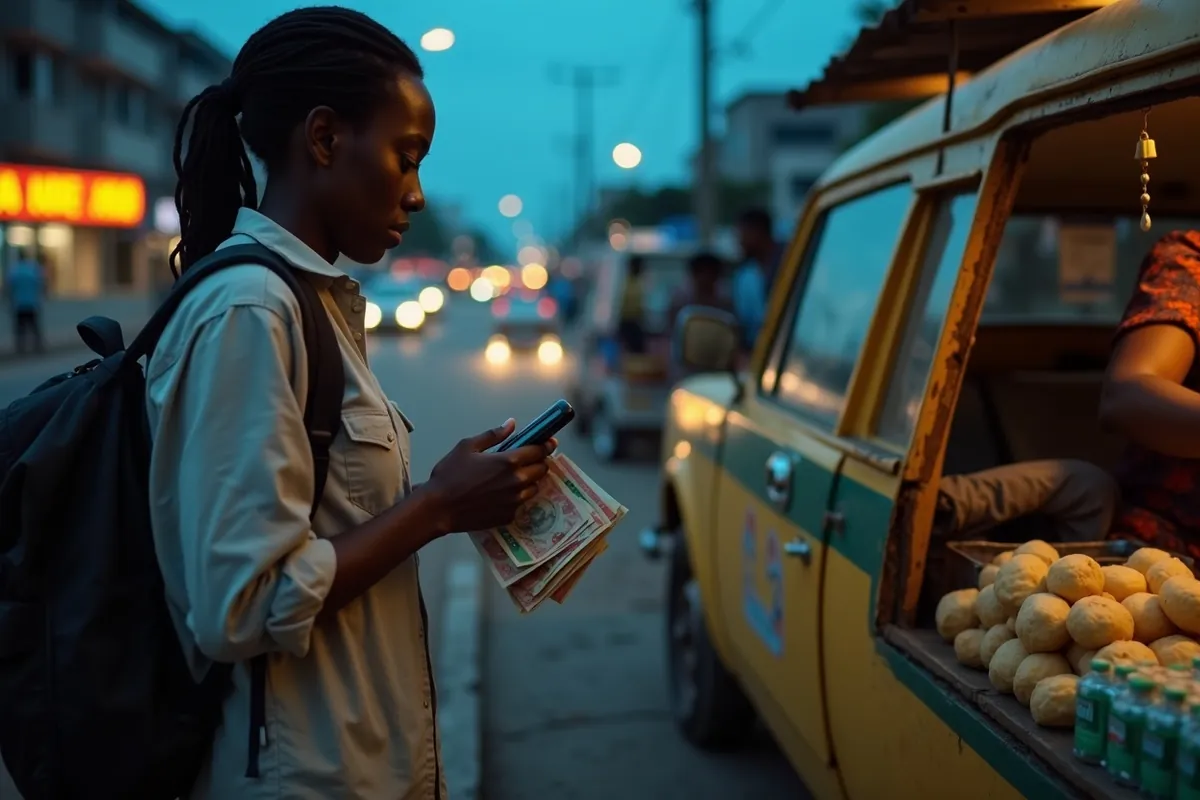
You stand at Arlanda with your boarding pass in hand and realize that your usual card tricks do not always work in Angola. In Luanda, you can pay with cards at larger hotels and some restaurants, but in everyday life, cash is still king, especially outside the capital. It is the kind of country where a small mistake with money or a SIM card can quickly turn into a full day of logistics.
Money in Angola: Kwanza and Cash
Angola’s currency is the kwanza (AOA). You often have the best control if you bring euros and exchange them on-site, as cash withdrawals can be unreliable and ATMs sometimes lack bills. I usually plan to have at least 200 to 300 EUR in reserve for the first few days in Luanda, especially if you land late.
Exchanging money is safest at bank offices or established exchange points in Luanda. Save your receipts. Sometimes hotels or local operators want to see that you exchanged legally if you plan to exchange back.
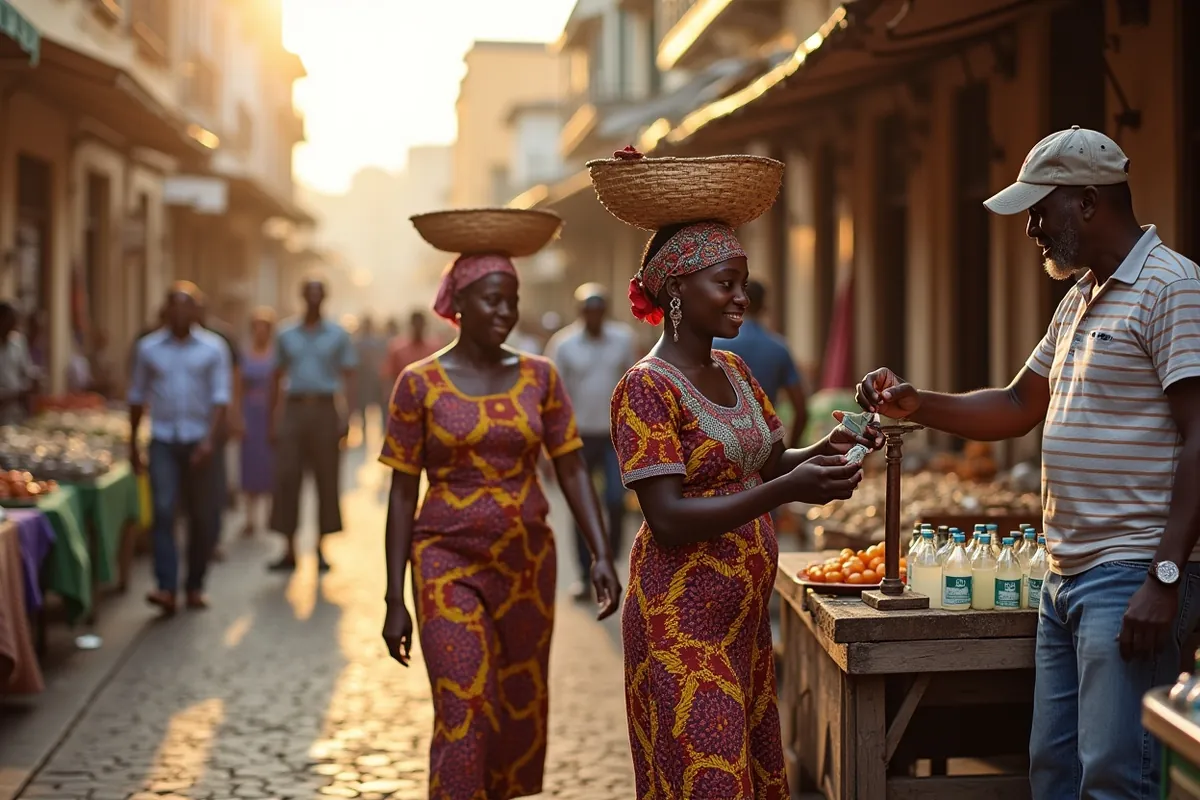
Always carry small bills in kwanza. Taxis, markets, and simpler lunch spots rarely have change.
Quick Table: Practical Numbers to Keep in Mind
| Item in Angola | Approximate Level | Comment |
|---|---|---|
| SIM card starter pack (Unitel/Movicel) | 3,000 to 8,000 AOA | Varies by store and included data |
| 10 GB data | 6,000 to 15,000 AOA | Prices change often, ask in-store |
| Local lunch in Luanda | 4,000 to 10,000 AOA | Prices are higher in business districts |
| Short taxi ride in Luanda | 3,000 to 8,000 AOA | Negotiate before departure |
| Bottled water 1.5 L | 500 to 1,200 AOA | Always buy sealed |
SIM Cards and Connectivity
Two names you will encounter are Unitel and Movicel. Coverage in Luanda is usually good, but expect poorer stability if you head toward smaller towns and along the coast. Buy your SIM card at an official store or in a mall, not from someone waving at you outside the airport.
Bring your passport. Registration is usually a requirement, and the staff will typically help you get everything set up on your phone. If you want to avoid hassle, you can prepare by unlocking your phone and saving a copy of the passport photo page on your phone.
Safety: How to Avoid Common Mistakes
Luanda can feel intense. I prefer to travel by taxi between points, especially after dark, and avoid fiddling with my phone at the curb. Petty theft happens, and it is usually the quick opportunities that are exploited.
Photography can also lead to unnecessary conflict. Avoid taking photos of police, military, checkpoints, ports, airport areas, and other sensitive locations. Always ask before photographing people in markets.
Keep an extra wallet with some cash in another pocket. If you find yourself in a tight situation, you can hand that over and keep the rest.
Food and Water: Delicious but Choose Wisely
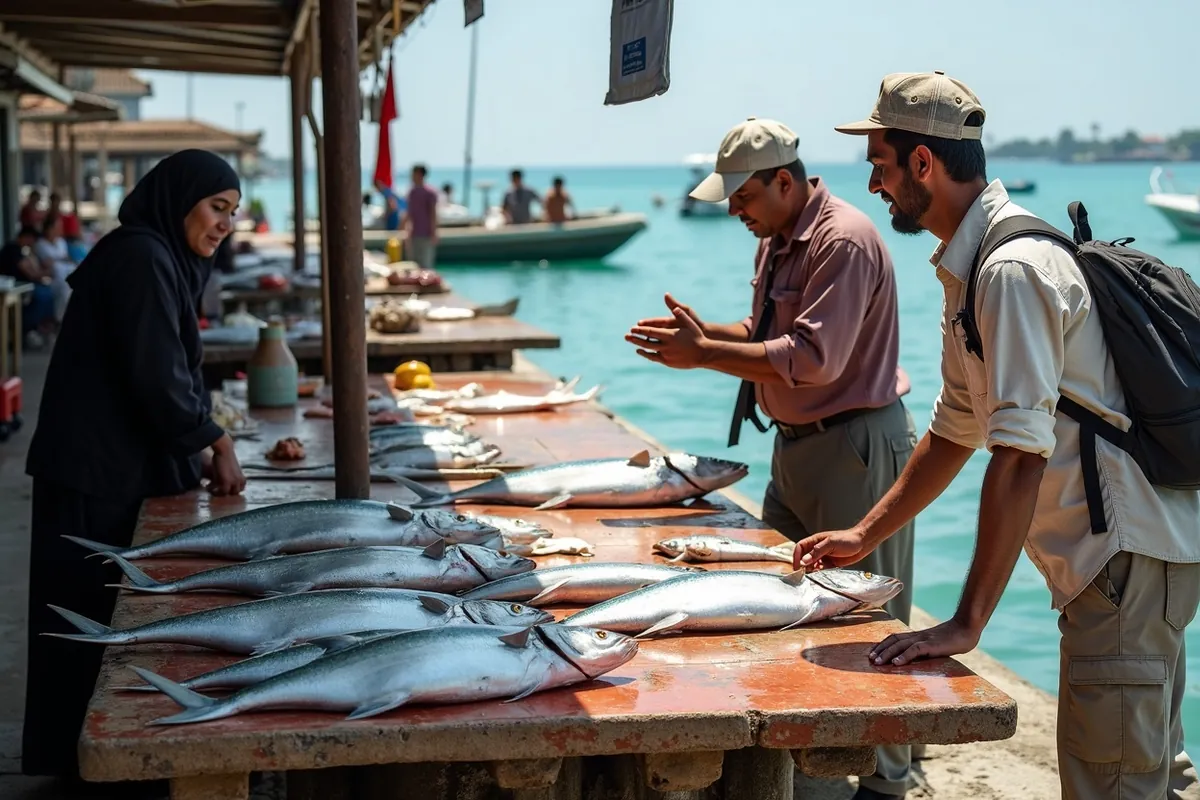
Angolan food is often simple and filling. You will see a lot of grilled meat and fish, beans, rice, and funge, a firm corn porridge that is standard in many places. In coastal towns, fish is often a safe bet if it is freshly grilled and served hot.
Do not drink tap water in Angola. Buy bottled water and use it even for brushing your teeth if you are sensitive. I avoid ice at simpler places, as you rarely know what water has been used.
If you want to eat locally without taking too many chances, choose places where you see a high turnover of food. When food moves quickly, the risk of it sitting out too long in the heat decreases.
Local Transport
Traffic in Luanda can be time-consuming, so plan with a margin for flights and meetings. Taxis are often the easiest option, but the price is rarely fixed. Agree on a price before getting in. If you are offered a private driver through your hotel, it may feel more expensive, but it can be worth it for safety and punctuality.
Visa and Entry: Short and Concise
Rules can change, and Angola is not a country where you want to improvise at the SAS gate. Always check that your Swedish passport has good validity left and that you have documentation ready. I usually refer travelers to VIZA.se as a quick checkpoint for current requirements and which documents are actually requested.
If you only remember five things before going to Angola, let them be these:
- Euros in cash to exchange for kwanza
- Small bills for everyday payments
- SIM card purchased in an official store with your passport
- Taxi between points after dark
- Only bottled water, even for brushing teeth
Once you have a handle on money, connectivity, and water, Angola becomes much easier. Then you can focus your energy on what matters: good grilled fish, the sea breeze by the coast, and the feeling of traveling somewhere that is still a bit impractical in a real way.