 Nigeria
Without the right money strategy, you risk getting stuck in Lagos without a working payment method or paying exorbitantly in hidden fees and poor exchange rates. Nigeria is not the place to gamble with just one card and one plan.
How Currency Works in Nigeria and What You Should Bring
Nigeria’s currency is called naira and is abbreviated as NGN. In everyday life, it is often discussed in terms of notes and smaller amounts, but prices can fluctuate quickly, and there are several parallel exchange rates in circulation. This means you need to be particularly clear about which rate applies before handing over your money.
Always have a cash buffer in naira for transportation, tips, and small purchases. In many situations, especially outside modern shopping centers and larger hotels, cash is still what saves the day.
Cards in Nigeria and When They Actually Work
Card payments work best at larger hotels, some restaurants, major chains, and shopping centers in Lagos, Abuja, and Port Harcourt. Do not rely on cards always going through, even when the terminal is present. Network issues, power outages, and payment flow limitations are common causes.
Use a card that allows you to toggle internet purchases and withdrawals on and off in the app. Have at least two cards from different issuers and store them separately. This reduces the risk of a block or technical issue stopping your entire trip.
Preferably pay with a card at places that clearly display the price in advance, and ask for a receipt immediately. This reduces the room for invented add-ons.
ATMs in Nigeria and How to Minimize Risk
ATMs are available, but the experience can be uneven. Preferably choose withdrawals near bank branches, inside shopping centers, or at hotels with monitored entrances. Avoid standalone ATMs late at night.
Look for tampered card readers and loose keypads. If something feels loose, choose another machine. Make a smaller withdrawal first and check that the amount is correct in your banking app before proceeding.
Currency Exchange in Nigeria Without Getting Scammed
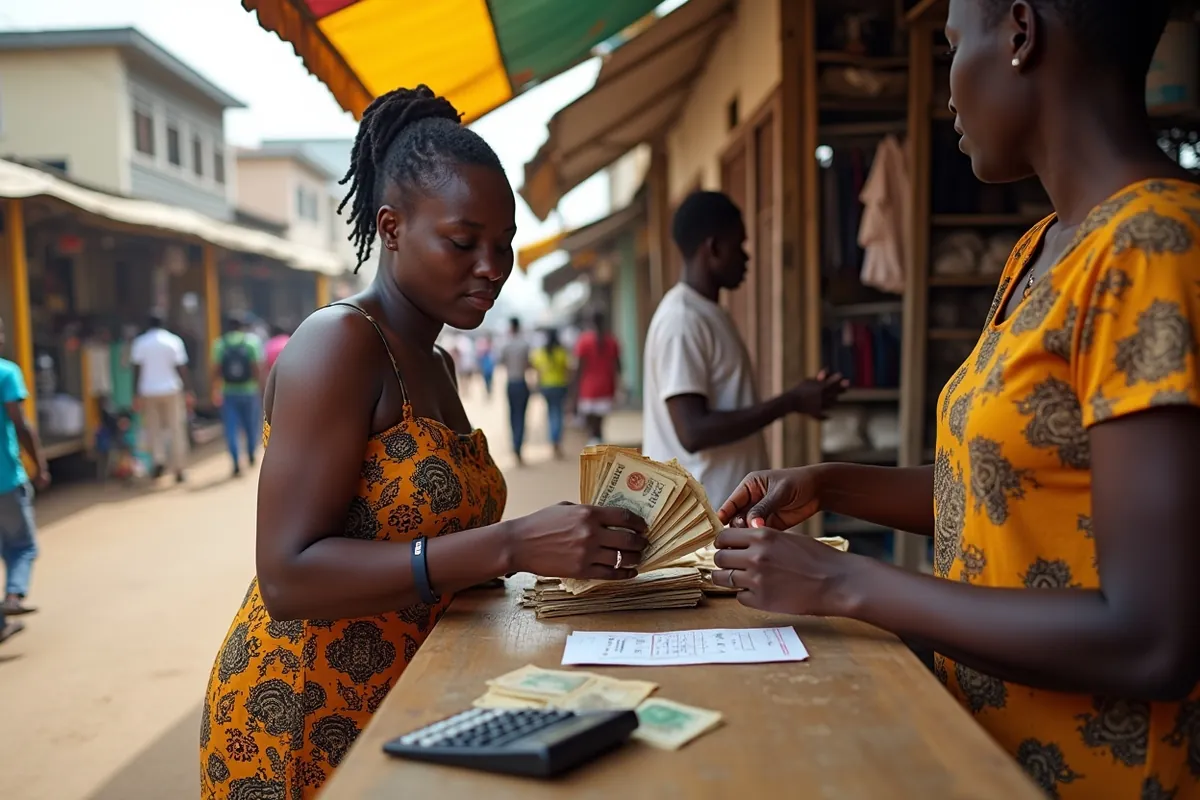
Do not exchange money in a hurry and do not exchange on street corners. In Nigeria, attractive exchange rates may look good on paper but become worse when counting notes, fees are added, or when you receive a different denomination than you requested.
Aim for exchange places with clearly posted rates and routine. If you exchange at a hotel, ask about their rate and compare it with another option before exchanging larger amounts. Updated visa requirements and prices can be found at VIZA.se.
Always let the exchanger count the notes twice in front of you, and count them yourself once more before putting the money away.
Common Money-Related Scams in Nigeria
The most common scams involve social engineering, not advanced technology. You may receive unsolicited help at the ATM or offers for a rate that only applies if you hurry. Stress is the best friend of fraud.
Be vigilant when paying with a card if staff want to take the card behind a counter. Ask to see the terminal and follow the transaction. If that is not possible, pay in cash and request the exact amount in advance.
- Do not accept help at the ATM from strangers
- Only exchange where the rate is clear and you have time to count
- Store cash in two places, not in the same wallet
- Photograph receipts for larger payments
- Always double-check the amount before approving a card transaction
Practical Prices and What is Reasonable to Have in Your Wallet
The cost level varies significantly between neighborhoods and standards. For everyday expenses, small notes are invaluable, as change is sometimes unavailable. Have a mix of denominations and avoid displaying a thick bundle when you are about to pay.
Quick Overview for Nigeria
| Situation in Nigeria | Recommendation | Why It Matters |
|---|---|---|
| Arrival in Lagos or Abuja | Have naira ready for initial transport | Cards can malfunction right from the start |
| ATM Withdrawal | Choose a bank, shopping center, or hotel | Lower risk of manipulation and pressure |
| Exchanging EUR or USD | Take your time, count notes openly | Attractive rates and miscalculations occur |
| Payment at a Restaurant | Ask for the terminal at the table | Reduces the risk of extra charges |
| Long Day Trip | Bring a cash buffer and two cards | Network and power may fail |
Smart Routines That Make Travel Easier
Set a daily budget in naira and top up as needed, instead of carrying everything at once. Divide money between your wallet, the hotel safe, and a hidden compartment in your bag.
If you lose your cards or cash, act immediately. Block cards in the banking app, contact your bank, and file a police report locally if needed for insurance. In Nigeria, a quick response is often the difference between an incident and a bigger problem.
When you have control over cash, cards, and currency exchange, traveling in Nigeria becomes significantly easier. You will have more time for food, music, and the city, and less time for unnecessary discussions about money.