 Filippinerna
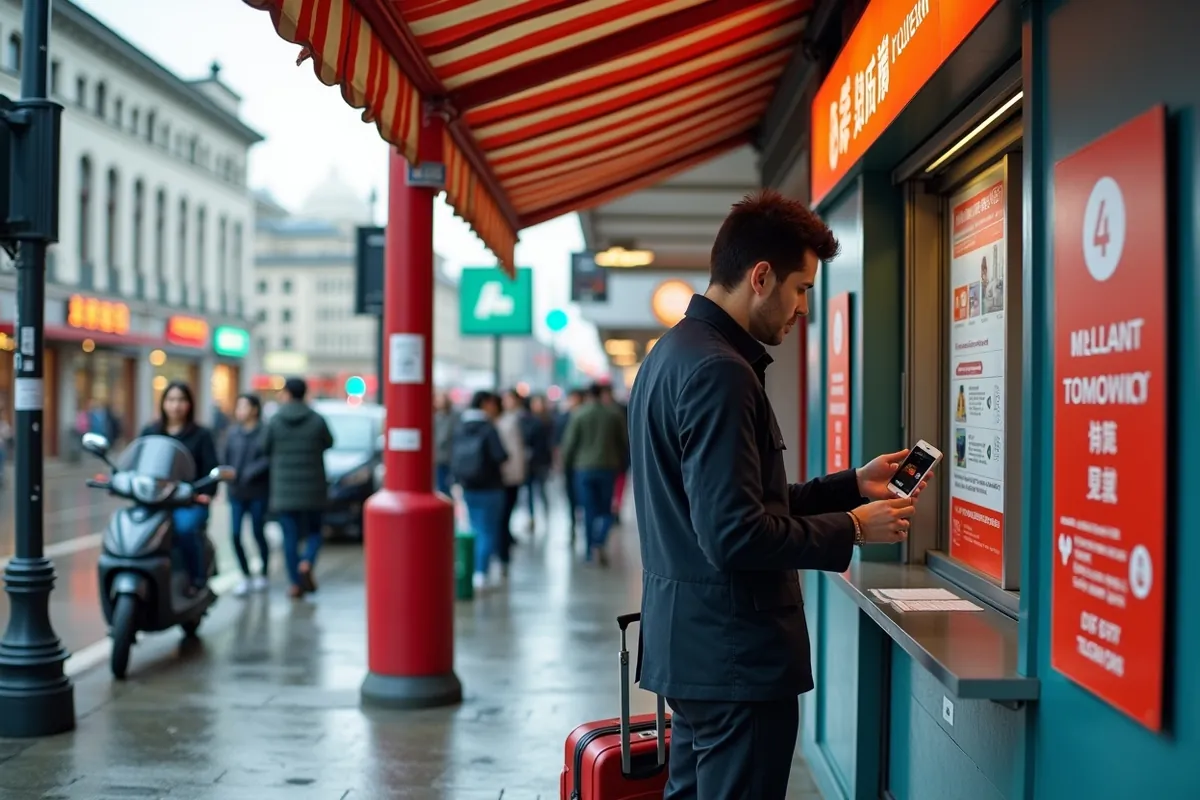
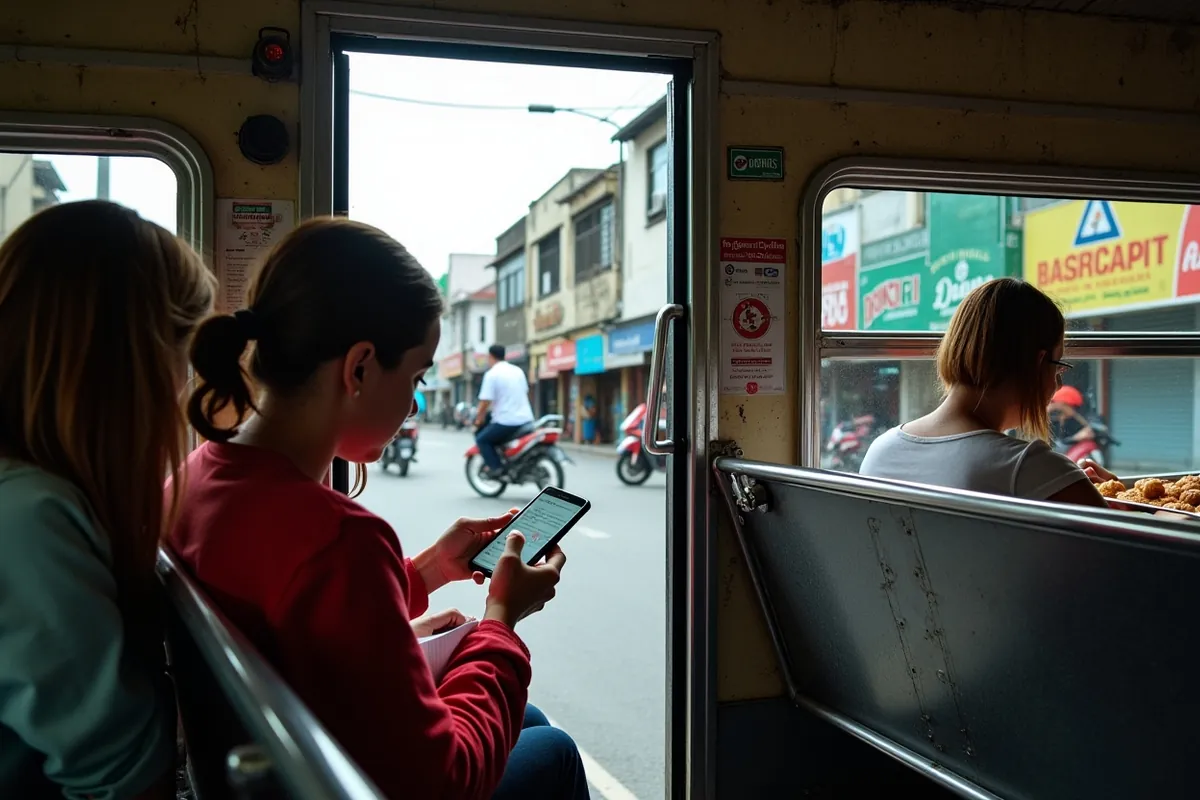
Did you know that a common reason Swedes get stuck in the Philippines is not crime, but rather that their mobile phone stops working, preventing them from showing bookings, banking apps, or emails when needed?
Preparations at Home Before Going to the Philippines
Make sure your mobile is unlocked for other carriers and that you have two ways to access your accounts. In the Philippines, SMS is often still part of logins, and without coverage or balance, it can become unnecessarily complicated.
Save important numbers in your phone and also write them down on paper. Power outages and unstable wifi happen, especially on islands where the infrastructure can be sensitive during bad weather.
Take a screenshot of your travel itinerary and the address of your first accommodation. This is often enough to resolve situations when data suddenly stops working.
Visa and Documents Affecting Safety
As a Swedish tourist, you often travel visa-free for short stays, but you need to show a onward or return ticket upon entry. The entire application process and extensions are described step by step on VIZA.se.
Keep a digital copy of your passport and entry stamp, but do not carry the original passport in your pocket at night unless necessary. In the Philippines, hotels and some domestic flights may require identification, so establish a routine where you know exactly where your passport is located.
At the Airport and Upon Arrival
When you pass through the departure airport and layovers, staff may want to see that you meet the entry requirements for the Philippines. Have your return ticket, accommodation address, and proof of financial means readily available.
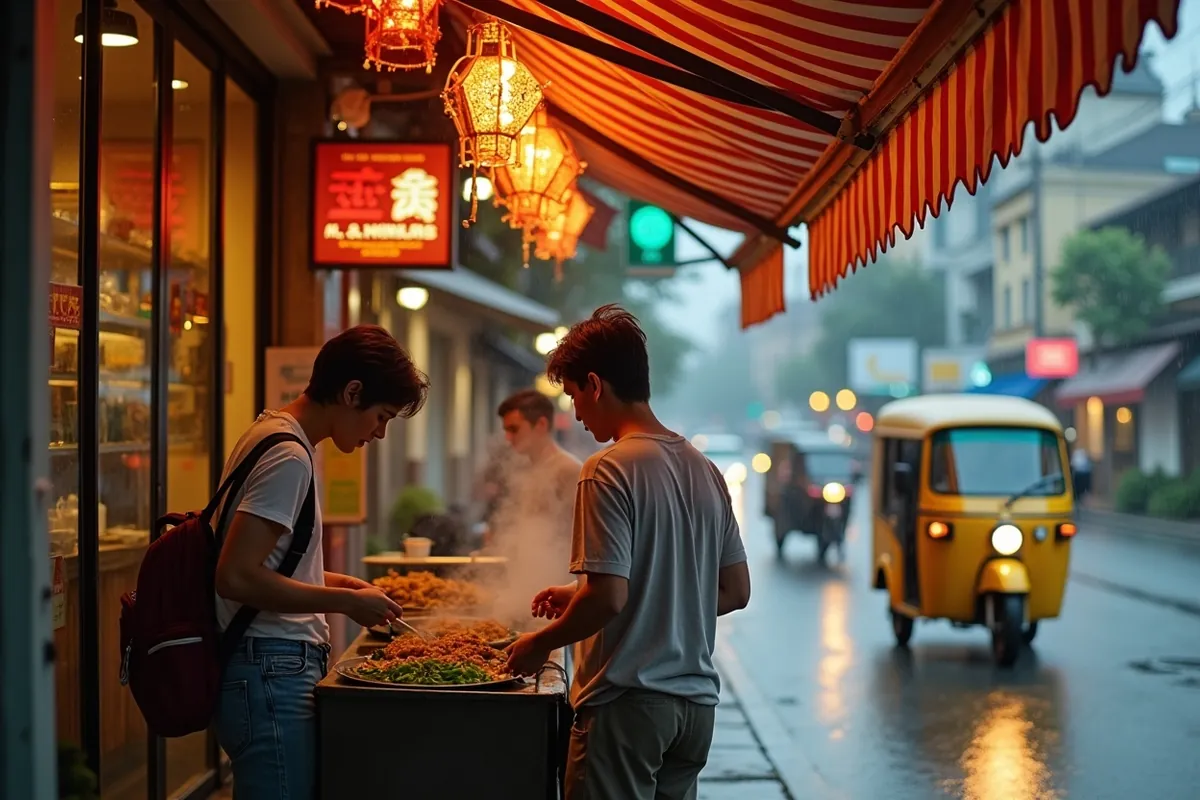
Upon arrival in Manila, Cebu, or Clark, it is common to encounter many people offering taxis and “help.” Choose an official taxi, app-based car, or the airport transport desk, and calmly decline persistent offers.
Common Scams Swedes Encounter in the Philippines
The most common issues are not violent crimes, but small yet annoying setups that can become costly over time. In tourist-heavy areas of Manila, Boracay, and Cebu, you may meet people wanting to “show you a shortcut” to an ATM, exchange office, or bar.
Be extra vigilant when withdrawing cash. Use ATMs located inside shopping malls or bank premises, and cancel the transaction if someone is standing too close or trying to assist you.
- Overpriced taxi rides without a meter, especially from airports and ports
- Currency exchangers who count quickly and “accidentally” miss bills
- Card fraud at bars where the bill suddenly becomes larger
- Fake customer service accounts on social media for deliveries and bookings
- “Tourist police” or uniformed individuals wanting to see your wallet
SIM, eSIM, and Why It Is a Safety Issue
In the Philippines, many travelers buy local SIM cards upon arrival. Smart or Globe are the most common, and coverage is often good in cities but uneven on smaller islands. Expect that you may sometimes need to register your SIM with ID according to local regulations.
If you use eSIM, check that your model is supported and that you have a plan that works in the Philippines before departure. Keep your Swedish SIM active if you need BankID or SMS from the bank, but turn off data roaming to avoid unexpected charges in SEK.
Write down your Philippine number immediately. Many accommodations and drivers will contact you via SMS, not email.
Emergency Calls and Assistance on the Ground
The national emergency number in the Philippines is 911. For police, 117 may also be available locally, but 911 is the number you should know primarily.
Also, save the contact details for the Swedish embassy in Manila and have the address of the nearest major hospital where you are staying. In the Philippines, private hospitals may require a payment guarantee, so keep the emergency number for your travel insurance handy.
If you are robbed, file a police report immediately. This is often needed for insurance claims and for blocking documents.
Being in the Philippines with Safer Daily Routines
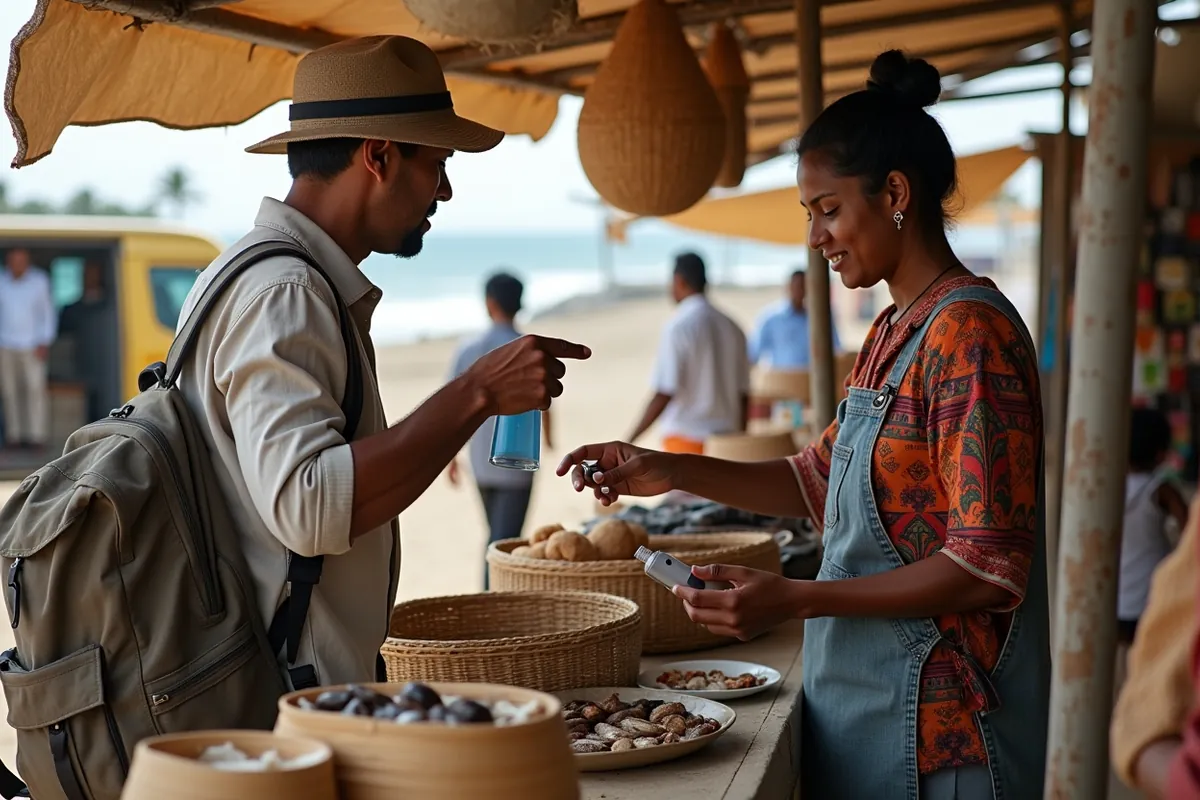
Avoid displaying expensive electronics openly in crowded places and carry a small “everyday wallet” with a limited amount of cash. Cash is widely used, but small purchases go faster if you have even bills.
For transport between islands, be prepared for weather-related delays. Always have a little extra buffer for an additional night, both in terms of money and medications. Here, a simple Plan B can make a big difference.
Quick Overview to Keep on Your Mobile
| Topic | Recommendation in the Philippines | Why It Matters |
|---|---|---|
| Emergency Number | 911 | Fastest way to reach emergency services |
| SIM Choice | Smart or Globe | Best chance for coverage where you are traveling |
| ATM | Inside a mall or bank | Lower risk of skimming and “helpers” |
| Taxi | Official taxi or app | Reduces risk of overcharging and detours |
| Cash | Have small bills | Facilitates transactions and reduces conflicts |
When you have a stable connection, clear routines for cash, and a plan for emergencies, the Philippines often feels calmer than its reputation. It is the small practical choices, day by day, that provide you with the most security during your trip.