
 Djibouti
Need a visa or travel authorisation for Djibouti?
See requirements, price and how the application works before you book your trip to Djibouti.
Go to the Djibouti guideIt is easier to find a cold drink in Djibouti than to find the right exchange rate.
Djibouti’s currency is the Djiboutian franc, DJF, and it influences your trip more than you might think. I returned home with a clear understanding: cards work sometimes, cash always works, and exchanging currency is best when you plan where to do it.
Djiboutian Franc in Practice
DJF is a stable everyday currency on the ground, but you rarely see prices in anything other than francs. In Djibouti City, you might occasionally hear amounts mentioned in euros in the hotel industry, but in taxis and at markets, it is all about DJF.
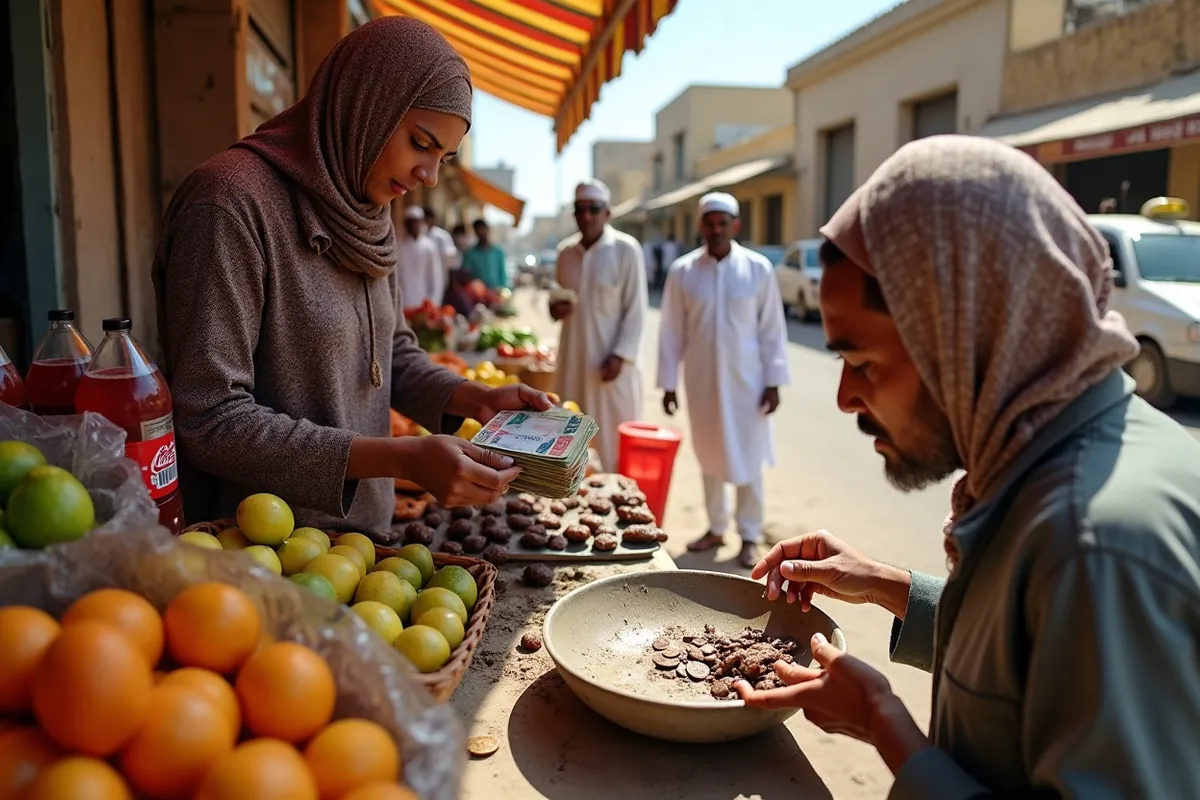
The bills might feel unfamiliar on the first day, as the amounts can quickly become large. It is normal for a simple lunch to cost a few thousand DJF.
Always keep small bills in your pocket. In Djibouti City, change is often the real scarcity, not cash itself.
Cash or Cards in Djibouti, What Works Best
Here is the comparison I wish I had read before my trip. It is not about theory, but about what actually worked when I paid.
| Payment Method | Best for | Where it usually works | Advantages | Disadvantages | My Recommendation |
|---|---|---|---|---|---|
| Cash in DJF | Taxis, small restaurants, markets, local shops | Almost everywhere | Fast, no terminal issues | Requires exchange and small bills | The basis for the entire trip |
| Cards, Visa and Mastercard | Hotels, larger restaurants, some shops | Mainly in Djibouti City | No need to carry a lot of cash | Terminals can be down, extra fees may apply | Good as a complement |
| ATM Withdrawals | Replenishing cash | Banks and larger areas in the city | You get DJF directly | Can be out of bills, fees | Plan withdrawals, take a bit more when it works |
| Euros or USD in hand | Backup and some hotel payments | Hotels, a few organizers | Easy to bring from Sweden | Worse rate for small purchases, difficult to get change | Have as a reserve, not as everyday money |
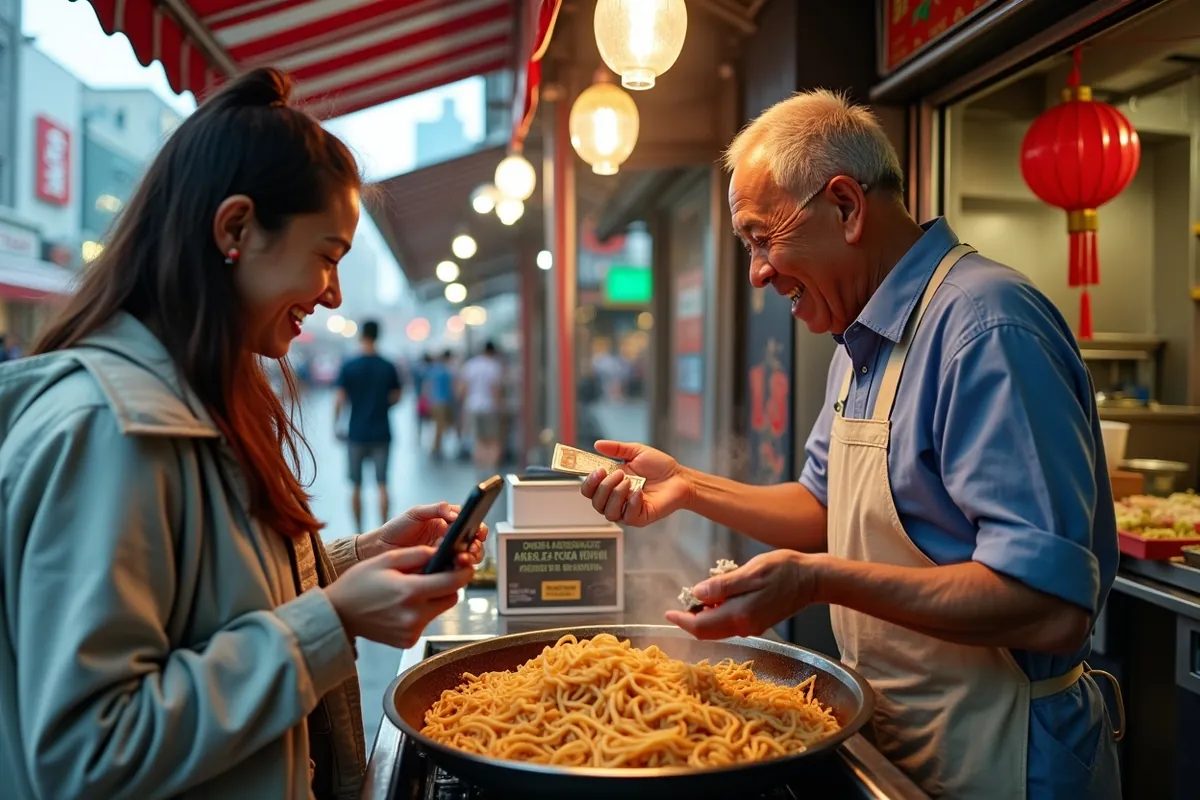
I paid for hotels and a few dinners with cards, but everything that felt like “everyday life” was cash. When the card terminal did not cooperate, it was never a drama if you had DJF.
Exchanging Currency in Djibouti, Where to Get the Best Rate
If you are traveling from Sweden, it is easiest to bring euros. Swedish kronor are rarely convenient to exchange on the ground.
At the airport, you can exchange to get your first taxi and water bottles sorted, but expect the rate to often be worse than in the city. In Djibouti City, I found that exchanging through banks or established exchange offices provided more reasonable terms, and you often have a better chance of getting small bills.
A trick that saves time is to know roughly how much you want in small bills before you approach the counter. Ask for a mix of bills, otherwise, you might end up with large denominations that are troublesome in taxis.
Exchange so that you get at least half in smaller bills. It makes all the difference for transport and tips.
If you are unsure about which visa type suits you, VIZA.se has a good overview.
ATMs and Fees, How to Avoid Unnecessary Costs
ATMs are available, but you should not base your entire travel budget on them always delivering. I had days when withdrawals went through immediately, and other times when they were out of cash or when the machine only dispensed large bills.
My approach was to make a slightly larger withdrawal when I found a working ATM, and then live off that for a few days. The bank’s fee and your Swedish bank’s fee may both apply, so fewer withdrawals tend to be cheaper.
Here is the only time I say this: please double-check with your bank before departure how they charge for withdrawals and card purchases outside the EU. It affects more than you think in a country where you often switch between cash and card.
Price Levels in Djibouti, What Costs in DJF
Djibouti can feel expensive in the hotel segment, but everyday costs vary greatly depending on where you eat and move around. To give you a sense, here are the levels I encountered.
A taxi within central Djibouti City often landed at a couple of thousand DJF depending on time and negotiation. A simple local meal often cost around a few thousand DJF, while hotel restaurants and more international places can be quite pricey.
Water and small purchases are cheap, but they add up in the heat. Therefore, small bills are gold; you do not want to have to break a large bill for every bottle.
Tipping in Djibouti, What is Appreciated and What Feels Wrong
Tipping is not as formalized as in some tourist countries, but it is clearly appreciated when service is given. I tipped more often in practical situations than in fancy restaurants, for example, when someone carried bags or helped arrange transport.
In taxis, I often rounded up the amount if the driver was helpful, especially if I received change without hassle. In restaurants, it depends on the level; at simpler places, it is more common to leave a small amount in hand or on the table, rather than discussing percentages.
At hotels, a small tip for cleaning or luggage assistance can make everything run smoother, especially if you need extra water or help arranging an early breakfast.
- Rounding up in taxis works well.
- Small amounts in DJF for luggage assistance are appreciated.
- At simpler restaurants, leave a small bill rather than counting percentages.
- If a service charge is already included in the hotel bill, tip more selectively.
Safe Handling of Money in Djibouti
Djibouti City is compact, but you often move between places that are very crowded and places that are quiet. I carried cash divided up, a little in my wallet for the day and the rest in another place.
It is more about avoiding carelessness than being afraid. Take out money discreetly, and avoid standing and counting bills openly when paying in crowded situations.
My Recommendation for Smooth Money Management
If I were to go again, I would do the following. Bring euros as a reserve, exchange a small amount right away to get started, and then base your daily life on DJF in cash.
Have your card ready for hotels and larger payments, but do not count on it saving you every time. When you find a working ATM, withdraw enough to last a few days and make sure to get small bills.
When you have DJF in your pocket, Djibouti suddenly becomes easy. It is only then that you can focus on what the trip is really about: the salty spray by the coast, the evening light over the city, and those spontaneous stops that always cost a bill or two.