 Malaysia
Need a visa or travel authorisation for Malaysia?
See requirements, price and how the application works before you book your trip to Malaysia.
Go to the Malaysia guideMost people think that Malaysia is almost entirely cashless due to its modern and digital feel. In practice, you often switch between cards, QR payments, and cash on the same day, and it is this mix that causes many Swedes to incur unnecessary fees or find themselves without a working payment method.
Malaysia uses the ringgit, MYR, and prices can be both low and surprisingly high depending on where you are. A simple meal at a hawker court can cost around 10 to 20 MYR, a cappuccino at a trendy café in Kuala Lumpur often ranges from 12 to 18 MYR, and a Grab ride within the city might be 8 to 25 MYR. On islands and in more tourist-heavy areas, everything becomes a bit more expensive, and the payment method becomes especially important since some places add fees for card payments.
Cards, Cash, or ATMs in Malaysia: What Works Best
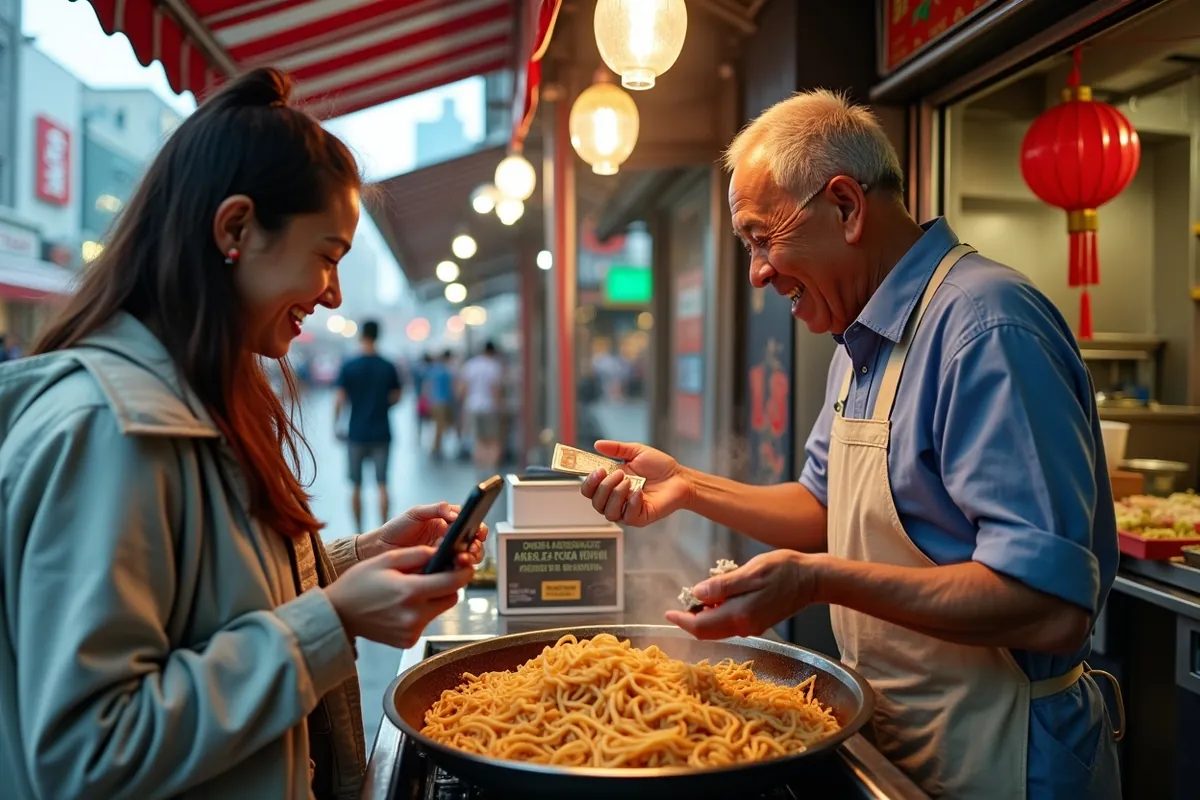
Cards work very well in Malaysia, especially in Kuala Lumpur, Penang, and Johor Bahru, as well as at hotels, larger restaurants, and shopping malls. At the same time, there are plenty of situations where cash is still the fastest or only option, such as at night markets, smaller eateries, local buses, and certain ferries.
ATMs are your practical bridge between Swedish kronor and ringgit. Withdrawals are straightforward, but the fee structure can become expensive if you withdraw small amounts frequently or if you accept the ATM’s own currency conversion.
| Option | Best for | Common Costs | Advantage | Disadvantage | My Recommendation |
|---|---|---|---|---|---|
| Swedish Credit Card | Hotels, larger restaurants, shopping | Card surcharge from your bank, sometimes local service fee | Convenient, good consumer protection | May be declined at small places | Use as first choice in cities |
| Swedish Debit Card | Everyday purchases where cards are accepted | Card surcharge, varies by bank | Good budget control | Less protection than credit | Good as backup to credit |
| Cash MYR | Markets, small eateries, tips, transport | Exchange spread, risk of small fees | Works everywhere | Risk with too much cash | Always keep a buffer in your wallet |
| ATM Withdrawals in Malaysia | When you need cash | Local withdrawal fee plus possible bank fee | Often better than exchanging on-site | Expensive with many small withdrawals | Withdraw larger amounts less frequently |
| QR Payment via Malaysian Apps | Local chains and some restaurants | Varies, often low | Fast locally | Often requires a local account | Do not rely on this as a Swede |
The Big Trap at ATMs: Choose the Right Option on the Screen
Malaysian ATMs often offer a quick solution where the machine suggests converting for you. It may seem safe since the amount is displayed in SEK, but the exchange rate is almost always worse than if your own bank handles the conversion.
Choose to be charged in MYR when the ATM asks about currency conversion. This is often the single most important detail to avoid paying unnecessarily high fees.
Aim to withdraw enough to last several days. In Malaysia, it is common for the ATM to charge a fixed local fee per withdrawal, so making a larger withdrawal is less damaging than many small ones.
Where to Withdraw Money in Malaysia
Preferably withdraw from the banks’ own ATMs located near bank offices or inside larger shopping malls. These places have better lighting, more people, and less risk of tampered machines. In KL and Penang, ATMs are practically everywhere, but on smaller islands, access can be uneven, especially if an ATM is out of order or out of cash.
Therefore, plan your withdrawals before heading to places like the Perhentian Islands, Tioman, or more remote parts of Borneo. In Sabah and Sarawak, cards work in cities like Kota Kinabalu and Kuching, but in national parks and smaller villages, cash can be crucial.
Card Payments in Malaysia: How to Avoid Extra Fees
When cards work, they often do so frictionlessly with contactless payments. However, some smaller shops and restaurants may add a card fee or have a minimum amount for card purchases. It is not always clearly marked, so ask beforehand if you want to avoid surprises.
In Malaysia, you may sometimes be asked if you want to pay in SEK or MYR even at the card terminal. The principle is the same as at the ATM; choose MYR if you want your bank to handle the conversion.
If you are traveling with multiple cards, keep one in the hotel safe and one with you. It may sound excessive, but it is a comforting insurance policy in case a card is blocked after an unusual purchase or if you lose your wallet.
Cash in Malaysia: How Much is Enough
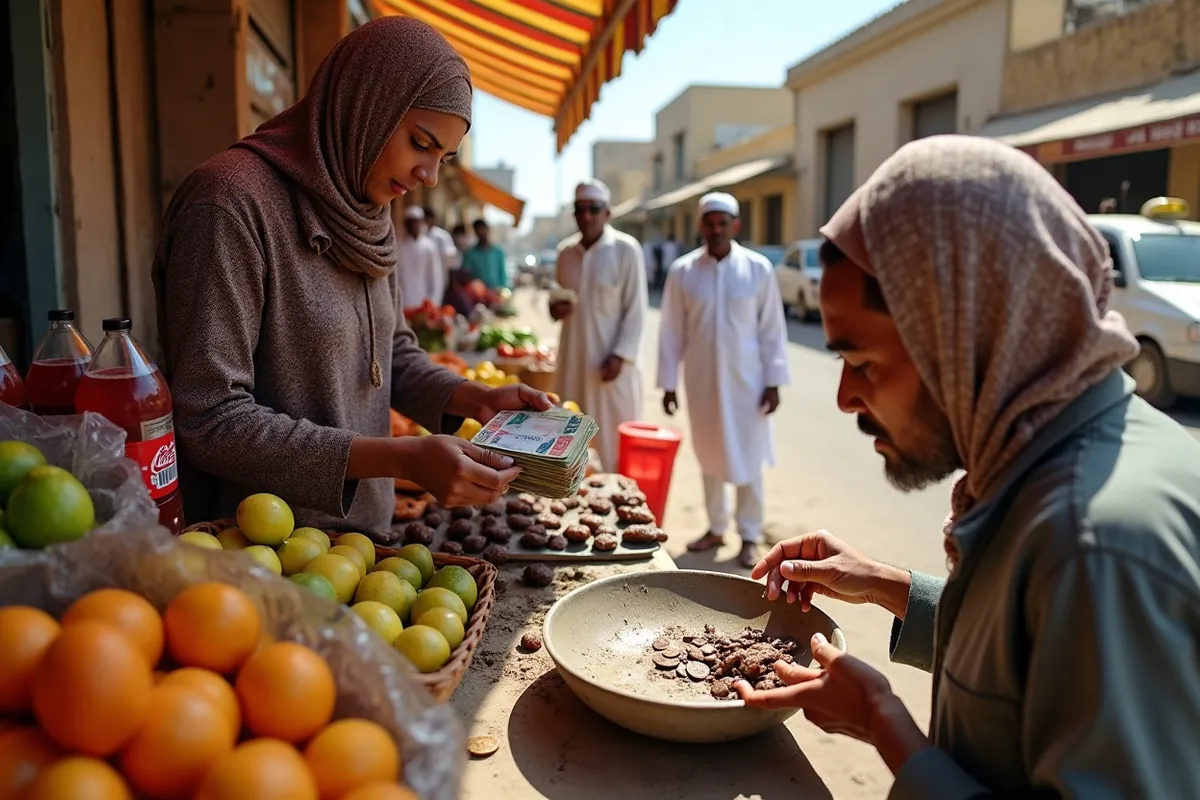
Malaysia is a country where small bills make everyday life easier. Many local payments range from 5 to 30 MYR, and it is nice to have 1, 5, 10, and 20 bills on hand. Taxi drivers and market stalls may lack change if you come with a large bill.
Expect that cash is often needed for night markets, street food, and simpler admissions. A reasonable starting buffer for an adult can be around 200 to 400 MYR in your wallet, with the rest on cards.
Keep two separate bundles of cash, one small for everyday purchases and one hidden reserve. This reduces stress if you find yourself crowded in public places.
Tips and Service Charges in Malaysia
Tipping is not as ingrained as in the USA, but it does occur. At many restaurants in Malaysia, you will see a service charge and SST on the bill, especially at hotels and in shopping areas. In such cases, no extra tip is expected.
At simpler places, you might round up a bit if the service has been good, and for hotel staff or guides, a small tip can be appreciated. Cash is most common for tips, so always have small bills on hand.
Transport and Payment: Grab Beats Cash in Cities
In Kuala Lumpur and other larger cities, Grab is often more convenient than hailing a taxi, both in terms of price and because you get the fare upfront. Link your card in the app before you travel to avoid handling cash and to prevent discussions about change.
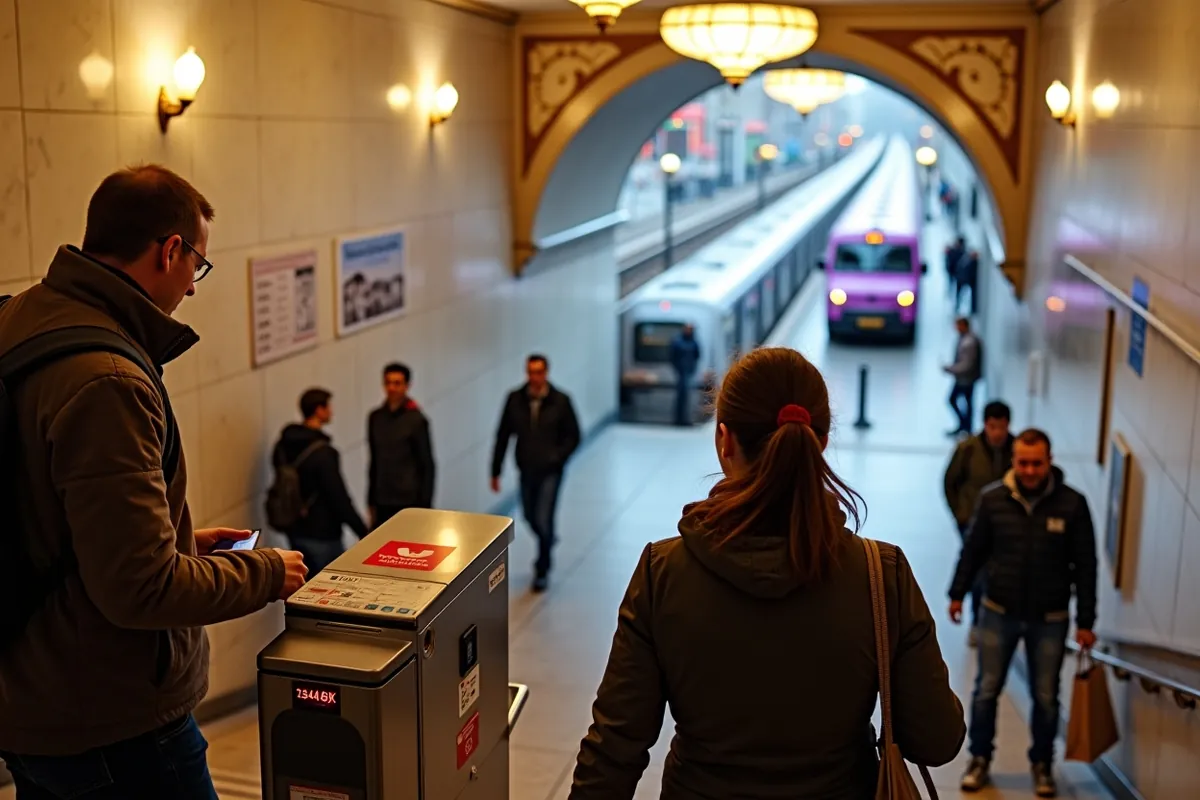
For public transport in KL, such as LRT and MRT, you can buy tickets at the stations. In some cases, it is easier with a card, while in others, cash is better, so have both. For longer bus rides and certain ferries, payment can be made at the counter where cash is the quickest option.
Payment Security in Malaysia
Malaysia is generally easy to travel in, but card fraud and pickpocketing can occur in tourist-heavy areas. Use contactless payments whenever possible, and keep an eye on your card when paying at smaller shops.
If a terminal seems unusual or the staff wants to take your card away, ask to pay at the table or follow them. If you need to double-check a transaction, do so via your banking app immediately after the purchase.
Currency Exchange in Malaysia: When is it Worth It?
Exchanging currency can work if you already have euros or USD, but for Swedes, ATMs are often simpler. Exchange offices are available in shopping malls and tourist areas, and the rates can vary significantly between different counters in the same block.
If you do exchange, calculate the total and ask about all fees beforehand. Save a PDF or screenshot of the receipt on your mobile in case you need to compare amounts later.
A Clear Strategy for Swedish Travelers in Malaysia
The most practical solution is to travel with a credit card as your main card, an extra card as a backup, and cash for small purchases. You minimize fees by choosing MYR for all currency exchange questions and by withdrawing cash less frequently.
- Use a credit card for hotels, shopping, and larger restaurants.
- Withdraw cash from ATMs in shopping malls, always choose to be charged in MYR.
- Carry 200 to 400 MYR in small bills for markets, tips, and local transport.
- Link cards to Grab for smooth city transport.
- For islands and remote areas, withdraw extra before leaving larger cities.
If you also plan to enter and understand the rules regarding your stay and are unsure about which visa type suits you, VIZA.se has a good overview.
With this setup, you will almost always pay with the right method at the right place in Malaysia, without getting stuck with poor exchange rates or unnecessary withdrawal fees.