 Djibouti
Most people think of Djibouti as a quick stop between Ethiopia and Yemen, where everything is sorted on arrival. In reality, the country rewards those who plan a bit more than usual, especially regarding visas, cash, and how to navigate the heat.
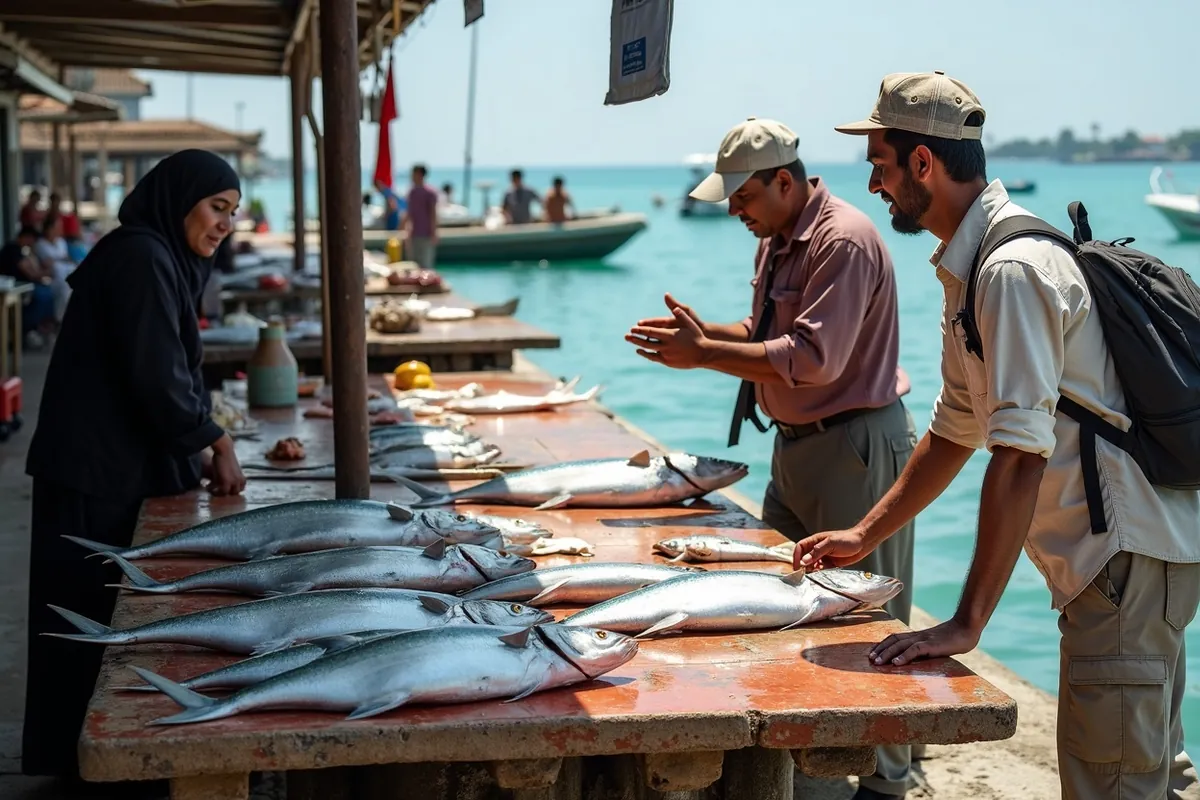
Djibouti may be small on the map but is vast in contrasts. You can swim in the Red Sea in the morning and stand by salt lakes and volcanic landscapes in the afternoon. Logistics are often straightforward but rarely obvious.
Visa for Djibouti: e-visa or visa on arrival?
For Swedish citizens, the e-visa is usually the most convenient option. You avoid uncertainty regarding opening hours and payment methods upon landing, and you have a decision made before locking yourself into a flight with connections.
Visa on arrival is available, but the experience varies. Some travelers receive it quickly, while others get stuck waiting for the right desk, stamp, or payment to go through. For a short vacation or business trip, it is rarely worth the gamble.
Here is a comparison that often makes the choice easier.
| Option | Advantages | Disadvantages | Best suited for |
|---|---|---|---|
| E-visa (online) | Pre-approval, less stress upon arrival, easier to show for transit | Requires document upload and online payment | Tourism, business, short trips with tight schedules |
| Visa on arrival | Can work if you are traveling spontaneously | Varying queues, risk of payment issues, more uncertain process | Spontaneous travel with flexibility and few connections |
| Embassy/visa through an agent | Can be relevant for special cases | Often slower and more paperwork involved | Longer stays or special categories |
Tip: Double-check current requirements on VIZA.se before booking your flight.
One detail that often complicates matters in Djibouti is that your hotel address or first accommodation details may be requested. Keep your booking confirmation easily accessible, preferably saved as a PDF on your phone in case the internet is slow.
Packing for Djibouti: heat, salt, and AC
Djibouti is one of those countries where your packing significantly affects how much you can experience. The heat can be intense, and the coastal air is salty. At the same time, air conditioning in hotels, cars, and some restaurants is often freezing.
Opt for thin, airy clothing that also works in more conservative environments. In Djibouti City, the dress style can be modern, but outside the city, it is wise to cover shoulders and knees to avoid unnecessary attention and show respect.
Bring shoes that can handle beach, stones, and salt. At places like Lac Assal and certain coastal areas, the ground can be sharp and white, which can be more blinding than you think.
- Lightweight long sleeves for sun and mosquitoes, plus something warm for AC
- High-factor sunscreen and sunglasses that actually filter
- Water shoes or sandals with soles for salt and coral
- A small power bank, power outages and long car rides can occur
- Electrolytes, as the heat can hit you quickly
Currency in Djibouti: DJF, cash, and everyday prices
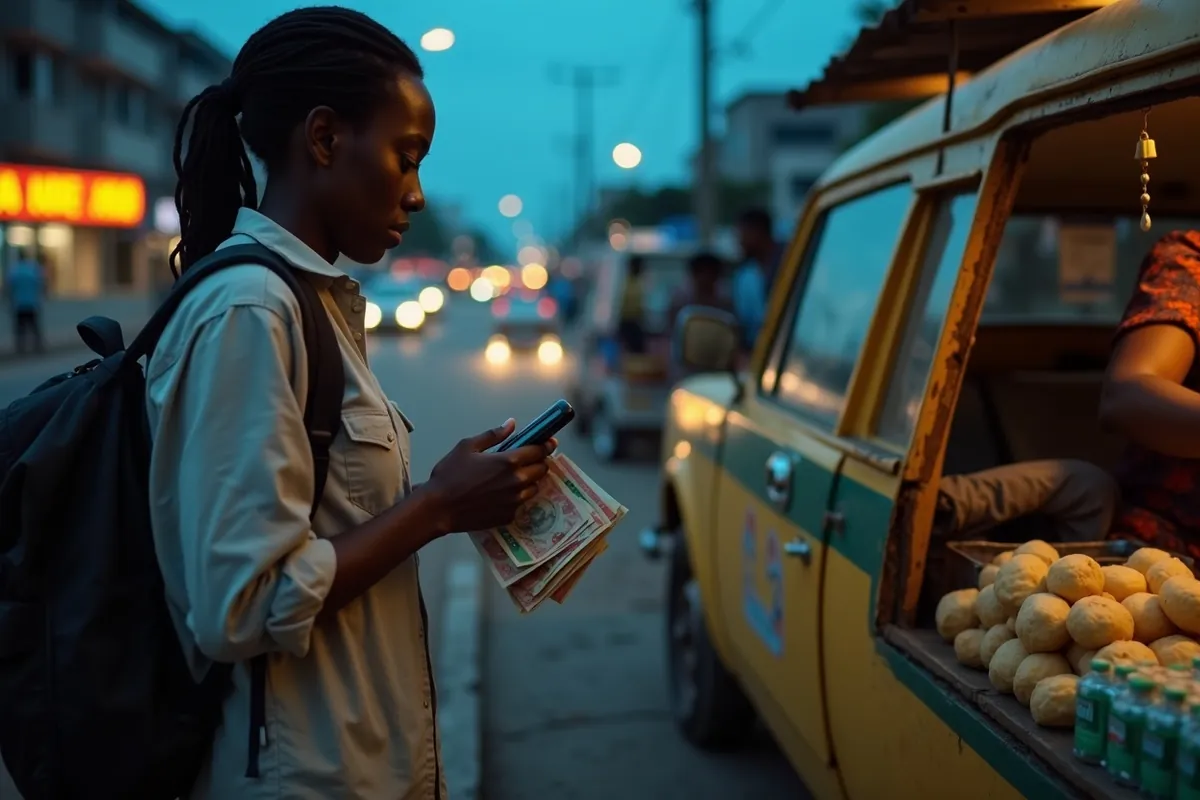
The currency is the Djiboutian franc, DJF. Many are surprised by how cash-driven it can still be, especially outside larger hotels and certain chains. Expect cards to work better in Djibouti City than on excursions.
US dollars may sometimes be accepted in tourist facilities, but change is often given in DJF, and the exchange rate is not always in your favor. For a smooth trip, it is better to have DJF for everyday expenses and taxis.
Approximate levels to keep in mind when budgeting in SEK. A simple taxi ride within Djibouti City often costs a few hundred SEK depending on distance and negotiation. A simple lunch can range from 80 to 200 SEK depending on whether you eat locally or at a hotel. Water and soda are cheap, but you will likely buy more than you planned.
Exchanging money is easiest in Djibouti City. ATMs are available, but expect them to be empty or offline. Have a cash buffer for at least the first day.
Transport in Djibouti: taxi, car rental, and excursions
Domestic travel in Djibouti is more about cars than trains or long-distance buses. Taxis are standard in Djibouti City. There are rarely clear meters used consistently, so agree on a price before you go. Here you can use the word double-check just once, double-check the price when the driver repeats the amount, especially if you switch languages between French and English.
Car rental can work, but Djibouti is a country where a 4x4 often makes the difference between reaching a place and turning back. Excursions to Lac Assal, Ardoukoba, and the coast near Tadjourah are easier with drivers who know the roads and where you can refuel.
The ferry or boat to Tadjourah can be a nice experience when it runs as it should. Plan with some margin, and see it as part of the journey rather than a timetable you must stick to.
Flights to Djibouti often go via larger hubs like Istanbul, Doha, or Addis Ababa. If you have a layover in Addis, it may be wise to have printed or offline copies of your e-visa and hotel, as staff may want to see that everything is in order before you are allowed to proceed.
Safety in Djibouti: practical thinking, not alarmism
Djibouti often feels calmer than many initially think, especially in the central parts of the capital and established tourist areas. At the same time, it is a strategic country with a military presence and sensitive areas.
Do not photograph ports, military installations, checkpoints, or uniformed personnel. Even if no one tells you directly, it can create problems later.
Petty theft does occur. Keep your phone close to your body in crowds, and avoid displaying large amounts of cash when paying. In the evenings, taking a taxi is a better choice than walking long distances, not least due to the heat, darkness, and uneven sidewalks.
Health, water, and climate: the journey depends on hydration
Djibouti can be extremely hot, especially during the summer months. The best period for many Swedes is when temperatures are more manageable, often during the cooler season. Even then, the sun feels harsher than in the Mediterranean.
Do not drink tap water. Buy bottled water and always keep extra in the car during excursions. At Lac Assal and other places far from services, it is easy to underestimate how quickly you can become dehydrated.
Mosquitoes can be present, especially near water and after rain. Bring mosquito repellent and use it consistently in the evenings.
Food and culture: French, Somali, Ethiopian
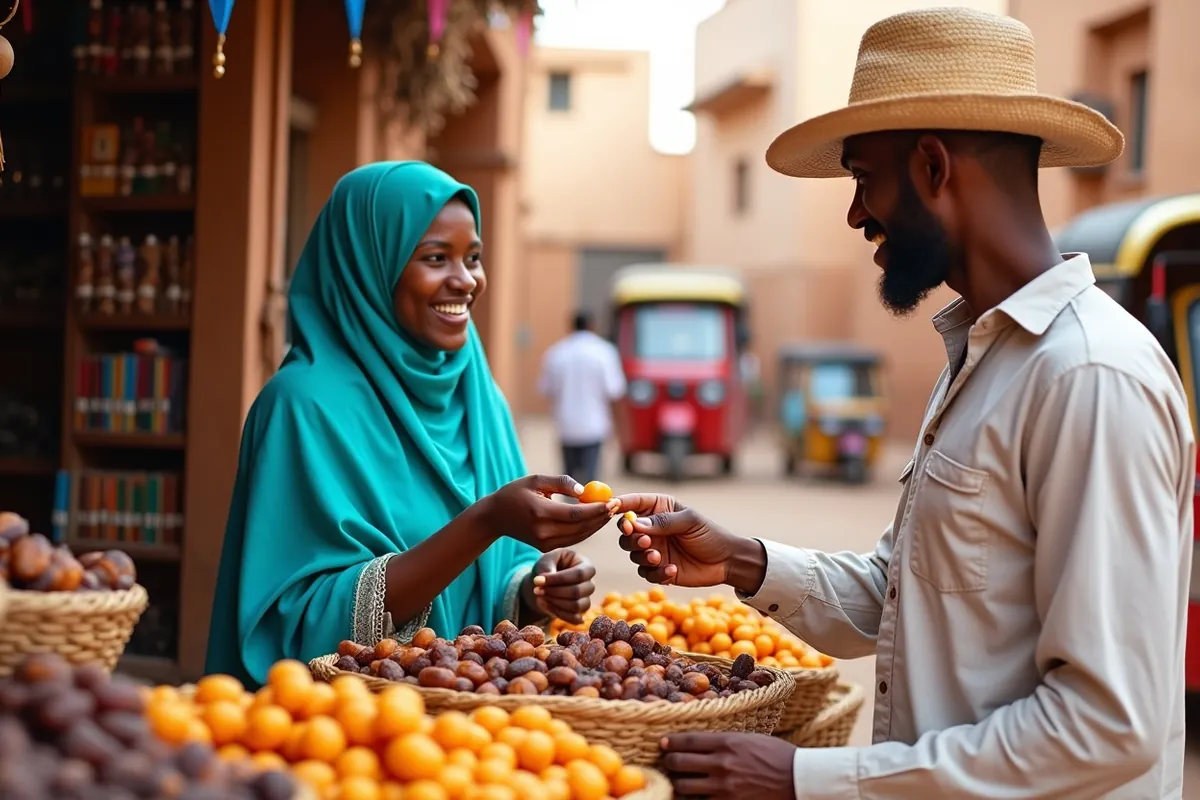
Djibouti’s cuisine is a mix of influences. In Djibouti City, you will find both French bakeries and restaurants serving grilled dishes, rice, lentils, and spicy stews. Ethiopian elements are common, and coffee is often a social ritual rather than a quick takeaway.
Respect local norms regarding dress and behavior, especially during religious periods. A calm tone and a few phrases in French can open more doors than you think.
Recommendation: making Djibouti easy
For most Swedish travelers, the combination of e-visa, a cash buffer in DJF, and pre-booked excursions with a driver is the safest route. Focus on managing the heat, water, and transport, and you will have more energy left for what makes Djibouti special, the dazzling landscapes of the salt lake, diving, and a capital that feels both African and Arab at the same time.