 Australien
Did you know that a forgotten sandwich in your carry-on can have bigger consequences in Australia than a misspelled hotel booking?
Australia’s border control is efficient, but uncompromising when it comes to biosecurity. For those with a Swedish passport, a smooth arrival often depends on understanding the layout of the arrival hall, what is scanned automatically, and what you need to declare yourself.
What is required before you even approach passport control in Australia
When you land in Australia, there are two things that dictate the rest of the process. Your electronic visa must be linked to the passport you are traveling on, and you must fill out an Incoming Passenger Card if you receive a paper card.
Australia uses eVisas linked to passport information, and the border checks your status digitally. The Department of Home Affairs describes it as visa information being stored electronically and checked against your passport upon entry. This means you rarely need to show a printout, but you should be able to explain your plans.
Tip: It is better to declare too much than too little in biosecurity. In Australia, it is often the omission that becomes costly, not the item itself.
How e-Gate and SmartGate work for Swedish passports
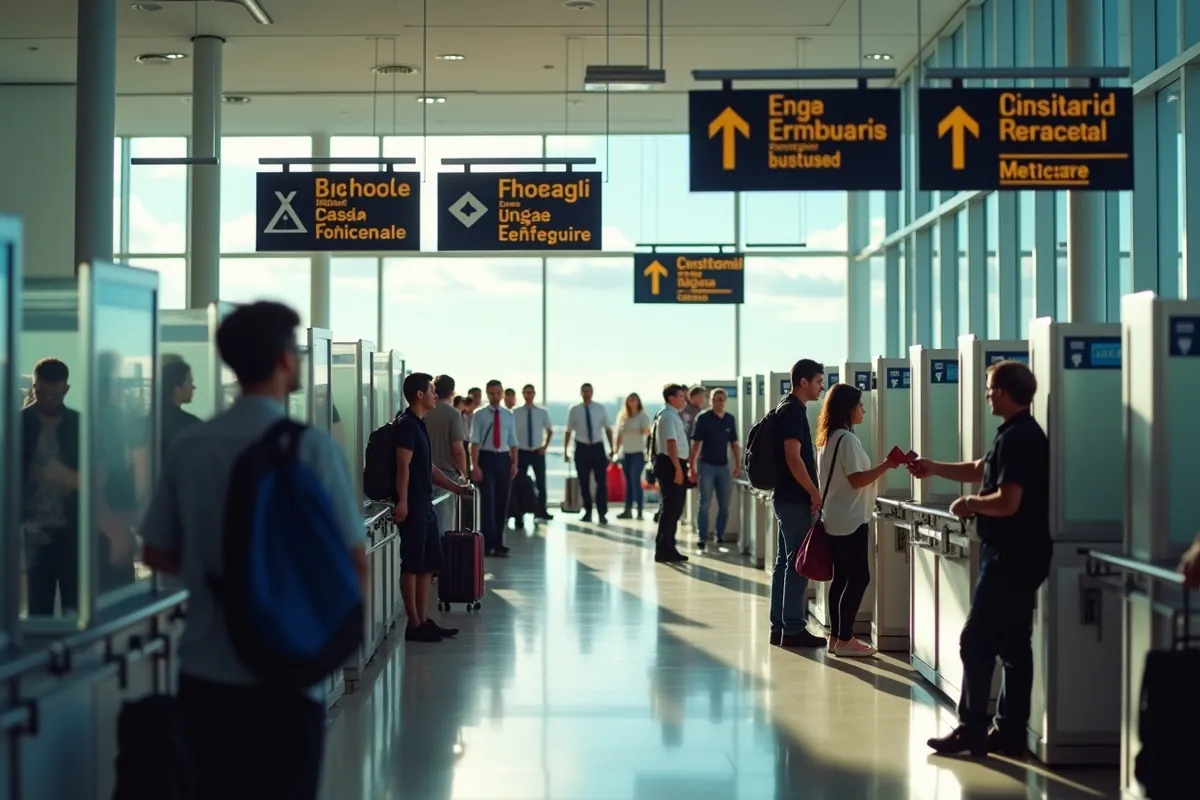
At the major arrival airports such as Sydney, Melbourne, Brisbane, and Perth, you may encounter SmartGate. This is Australia’s e-gate system where you scan your passport, take a photo, and receive a receipt or a signal that allows you to proceed.
For Swedes, access depends on the type of passport and your situation. A biometric Swedish passport usually works well in e-gate, but you may still be directed to manual control if the system has additional questions or if you are traveling with children who cannot use the same flow.
Have your passport ready and ensure that the information is consistent. If you have recently changed your passport but applied for a visa with the old one, the connection may be incorrect, leading to manual handling right away.
What you may need to show at manual passport control
If you do not go through SmartGate, or if you are selected for additional checks, you will meet a border officer. It is common to be asked questions about the purpose of your trip, where you will be staying, and how long you will be staying.
What you often need to show is a booked address for your first nights and a plan for your return or onward journey. Sometimes they ask about financial means, especially if your trip is long and your plans are vague.
A concrete piece of advice is to have booking confirmations available offline. You can save a hotel booking or an itinerary as a PDF on your phone, but make sure you can open it without an internet connection.
Incoming Passenger Card and why it still matters
Australia still uses the Incoming Passenger Card for many arrivals, even though the process is gradually being digitized. The card is not just about customs, but also about health, where you have been, and especially biosecurity.
The Department of Agriculture, Fisheries and Forestry is clear that travelers must declare risk items such as food, plants, and animal products. You are not just ticking boxes; you are making a legal declaration.
If you are unsure about an item, tick yes and talk to the staff. It often takes less time than being stopped for a secondary inspection.
The step after passport control, baggage, and the way to customs
Once you have passed immigration, you go to the baggage claim. After that comes customs and biosecurity, where the flow is often divided into a green and a red channel.
The green channel is for those who have nothing to declare, but in Australia, that does not mean you are done. Random checks are common, and biosecurity dogs are used to detect smells from food and animal products.
The red channel is not a punishment; it is a tool. If you declare and present the item for assessment, you can often proceed without issues even if the item is seized.
Biosecurity in Australia, what actually triggers problems
Australia protects its agricultural sector and unique nature, which is why the rules are strict in a way that many Swedes are not used to. The risks involve pests, diseases, and invasive species.
Typical items that lead to extra checks include snacks containing meat, nuts and seeds, tea and herbs, honey, dried fruit, and equipment that has been in contact with soil. Hiking shoes, tent pegs, and golf shoes may need to be clean.
You may also be asked questions if you have recently visited farms, nature reserves, or been in contact with animals. Answer directly and factually; it is normal risk assessment.
Customs rules that often affect Swedes, alcohol, tobacco, and medications
Customs in Australia involves both duties and prohibited items. Alcohol and tobacco are classic areas where travelers miss the limits.
For alcohol, there is a duty-free quota for adult travelers, and if you bring more, you may need to pay duties and taxes. The rules for tobacco are also strict, including duty-free.
Medications are another area. Bring medications in their original packaging and preferably a certificate if you have prescription drugs, especially for strong painkillers or ADHD medication. If you are unsure, declare it.
Arrival procedure in practice, how to navigate the hall
The flow is usually similar at larger airports, although the signage may vary. You go from the plane to immigration, then to baggage, and finally to customs and biosecurity.
Expect that staff may ask you to place bags on the x-ray even after you have passed a channel. There may also be a separate biosecurity desk where they assess food items or equipment.
Those traveling with children should allow extra time. Strollers, baby food, and special diets may require questions, but are usually manageable if you declare them.
Common mistakes when entering Australia that cost time
Many delays do not occur at passport control, but in biosecurity. It is often about carelessness, not smuggling.
- Forgotten food in carry-on after the flight, such as fruit or a sandwich
- Dirty shoes or camping gear with soil
- Supplements or herbal powders without clear labeling
- Medications loose in a container without original packaging
- Incorrect passport linked to visa after a passport change
A good practice is to check pockets and outer compartments already on the plane. You can also double-check that you do not have loose snacks in your backpack before entering the customs area.
Specific documents and information you should have easily accessible
Even though much is digital, arriving is easier if you can show the right things quickly. Keep in mind that wifi can be slow in the arrival hall.
Have your passport, the address of your first accommodation, and a contact method for your journey gathered. If you are traveling on a visitor visa or eVisitor, it may also be good to show a rough travel plan and your departure.
If you have a layover in Asia on your way to Australia, questions about where you have been in the last few days may come up on the card or in conversation. Keeping track of dates and stops allows you to respond confidently.
If you are selected for extra checks, this is how it goes
Extra checks usually mean they want to ask more questions or look in your bag. In biosecurity, they may ask you to open your luggage, show your shoes, or place items on the x-ray.
Maintain a factual tone and provide clear answers. If you have declared correctly, it is common for the check to go quickly, even if they seize an item.
Australian authorities emphasize that declaration is central and that penalties may apply when travelers do not declare risk items. Therefore, the safest strategy is almost always to be overly clear.
Quick table of what typically happens upon arrival in Australia
| Arrival Moment | What You Do | Typical Time | Common Pitfall |
|---|---|---|---|
| Immigration and SmartGate | Scan passport, photo, respond if needed | 5 to 25 min | Visa linked to the wrong passport |
| Baggage Claim | Collect checked baggage | 10 to 40 min | Forgotten food items in outer compartments |
| Customs and Biosecurity | Choose channel, submit card, possible x-ray | 10 to 45 min | Undeclared food, dirty shoes |
| Secondary Inspection | Extra questions or bag check | 5 to 30 min | Unclear medications or supplements |
When everything is done, what happens after customs
Once you have passed customs and biosecurity, you are in the arrival hall. There you can buy a local SIM, arrange transport, and pick up a rental car.
Remember that Australia is large and domestic connections often require new security checks. If you are continuing directly, plan to collect your baggage and check in again if your tickets are not through.
If you want to read more about which visas suit your trip and how to correctly link your application to your passport, see VIZA.se guide. Read more about visas to Australia.