 Thailand
97 percent of all travelers who miss their transit in Bangkok do so not because their flight is late, but because they accidentally take the wrong path between Transit and Immigration. At Suvarnabhumi and Don Mueang, the signage is clear, but the decision you make in the first few minutes determines whether you stay airside or actually enter Thailand.
Here is the important part: transit without a visa in Bangkok almost always means you do not pass through Thai border control at all. You remain in international transit areas and change gates. As soon as you head toward Immigration, it counts as entry, and then Thailand’s entry regulations for Swedish citizens apply.
First, what does transit without a visa in Bangkok mean?
Transit without a visa in Bangkok refers to when you arrive internationally and continue internationally without going through Immigration. This is often called an airside transfer. You do not collect baggage, you do not leave the airport, and you typically do not pass through any passport control.
However, if you need to collect your baggage, switch airlines that require re-checking landside, or change from international to domestic flights, then you must go through Immigration. At that point, it is no longer transit without a visa, but entry into Thailand.
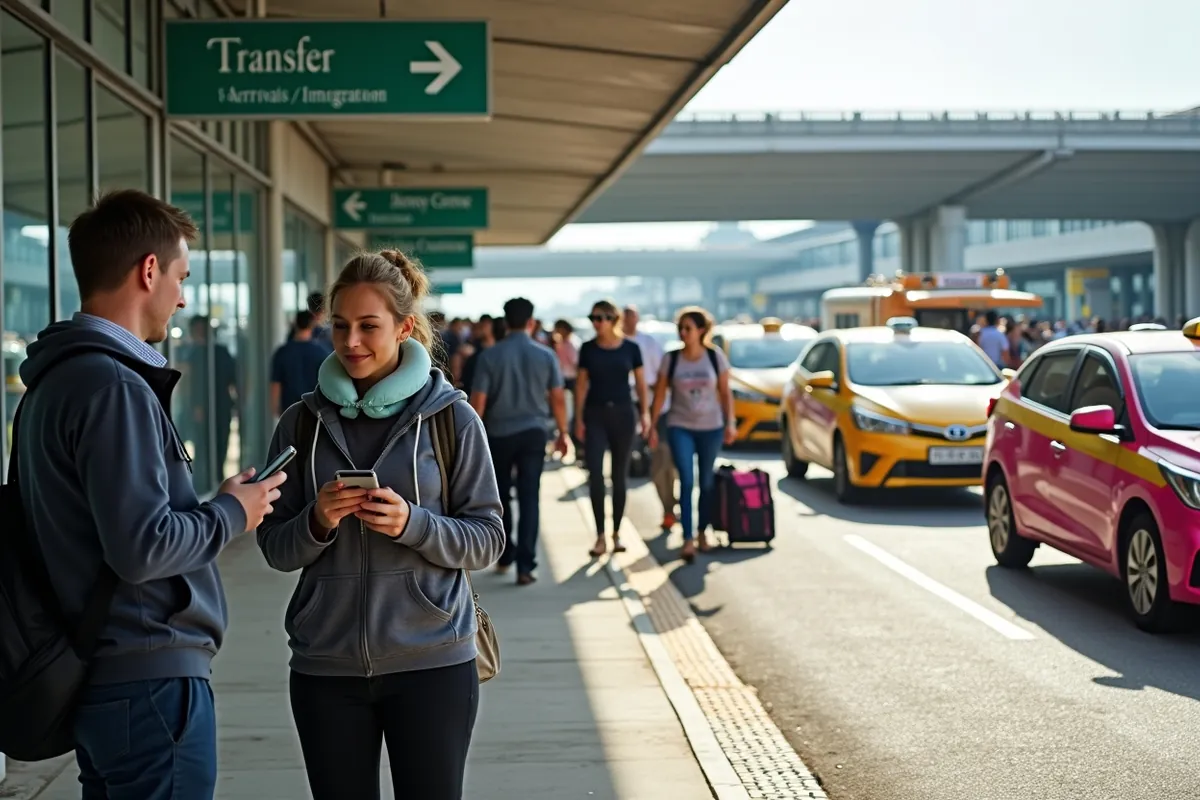
Only follow signs that say Transfer or Transit if you are continuing internationally. Signs for Arrival and Immigration are effectively a different journey.
Myth 1: You can always transit in Bangkok without showing anything
Truth: Often, a boarding pass is enough, but sometimes you need more.
When you stay airside, transfer control staff may ask to see your passport and next boarding pass, especially if you are changing terminal sections or if security checks need to be done again. If you do not have the boarding pass for your next leg yet, you may need to go to a transfer desk, and then the airline may want to see your onward journey and that you meet the requirements for your final destination.
For Swedish travelers, it is wise to have a digital copy of your booking easily accessible. If your phone acts up, save it as a PDF in advance.
Myth 2: No baggage can ever force you through Immigration
Truth: Checked baggage is often what determines this.
If your bag is checked through to your final destination, you can usually stay airside. However, if you have separate tickets, or if the first airline cannot check your bag to the final destination, you must collect it in Bangkok. Then you go through Immigration, collect your baggage, pass customs, and check in again.
This is where many get stuck, not in the passport queue, but in the logistics. Separate tickets may be cheaper in SEK, but they shift the responsibility to you.
Quick table to reduce the risk of taking the wrong path
| Situation in Bangkok | Can you stay airside | Passport control in Thailand | Practical consequence |
|---|---|---|---|
| Through ticket, baggage checked through | Yes | No | Follow Transfer, new security check may occur |
| Separate tickets, must collect baggage | No | Yes | Entry, baggage, customs, new check-in |
| Switching to domestic flights within Thailand | No | Yes | Entry required before domestic |
| Overnight outside the airport | No | Yes | Entry required, even for a short hotel stop |
Myth 3: Transit means that passport validity does not matter
Truth: Airlines can still stop you if your passport is too short.
Even if you are only changing flights in Bangkok, you may need to meet conditions that the airline uses to assess whether you can travel onward. If something goes wrong, such as a canceled connecting flight, you may be forced to enter to collect baggage or stay at a hotel. Then the validity of your passport suddenly becomes relevant for Thailand.
Thai authorities typically require that your passport is valid for at least six months upon entry. This is not a transit rule, but it affects you if your transit turns into an unplanned entry.
If you have short validity left on your passport, double-check the conditions with your airline before departure. It is cheaper than being left without a solution in Bangkok.
Myth 4: There is an immigration card you must fill out during transit
Truth: During pure airside transit, you normally do not fill out any Thai arrival card.
Thailand has historically had TM6 for arrival and departure, but procedures have varied over time and between airports. What matters for you is whether you are entering. Upon entry, you may need to provide information about your address in Thailand, flight number, and duration of stay, and you may be asked questions about onward travel.
During transit without entry, it is instead your final destination that may require forms, such as health declarations or entry permits. Bangkok then becomes just a transit point.
This is how the flow works at Suvarnabhumi when you transit airside
After you disembark, follow the signs to Transfer. Often, there will be a security check where liquids and electronics are checked again, even if you have already been screened at your initial departure.
Then you proceed to your gate. If you lack a boarding pass, go to the transfer desk for your airline. Expect that they may want to see your passport, booking reference, and sometimes proof that you are allowed to enter the final country.
Don Mueang may feel more compact and less forgiving if you need to switch between landside and airside. If you are unsure, ask staff directly before leaving the transit zone.
If you still need to enter Bangkok
Then it works like a regular arrival in Thailand. You go to Immigration, show your passport and sometimes proof of onward travel, and receive an entry stamp if you meet the conditions. Swedish citizens can often enter visa-free for tourist stays, but documentation requirements may still apply.
Have the address of your first accommodation in Thailand ready, even if it is just for one night. It could be a hotel near the airport. If you have an onward ticket, have it easily accessible to show.
After Immigration, you collect your baggage, go through customs, and then check in again. Allow ample time, Bangkok can move quickly, but queues occur in waves.
Documents that usually resolve the most situations in Bangkok
- Passport and an extra photo of the passport photo page
- Next boarding pass or booking confirmation
- Proof of onward travel from Bangkok if you must enter
- Hotel address in Thailand if you leave the airport
- Travel insurance details, especially during long waits or rebooking
The entire application process is described step by step on VIZA.se if you find that your trip actually requires a visa, for example, for special purposes or longer stays.
Customs and checks, only if you go landside
During pure transit, you normally do not see any customs. But if you exit through the arrivals hall, Thai customs regulations apply. Alcohol, tobacco, and certain medications can cause problems if the quantities are large or if the packaging lacks clear labeling.
If you are traveling with a drone, professional equipment, or large amounts of cash, it is wise to keep receipts in order and be able to explain the purpose. Checks are not always extensive, but when they do occur, you want to be quick and clear.
A final check before you travel
The practical question is simple: is your connection on the same ticket and is your baggage checked through? If the answer is yes, you can almost always transit in Bangkok without a visa and without border control.
If the answer is no, plan as if you must enter. Then the time between flights, passport validity, and your documents become crucial, even if Bangkok was only meant to be a short stop.