 Kina
Kina 
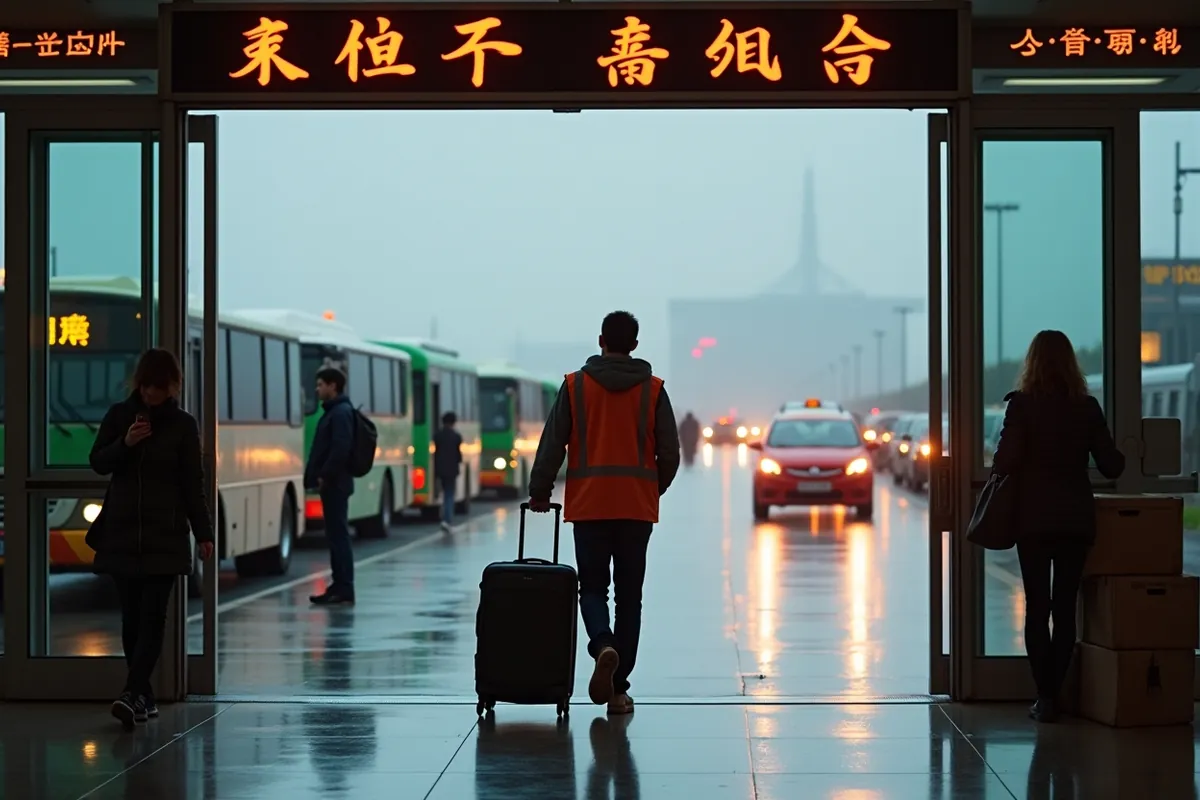
It is 4:20 AM at Shanghai Pudong, and the signs for Transit Without Visa lead in two directions. In one line are travelers continuing their journey the same day, while in the other are those looking to pass through customs and collect their luggage. Choosing the wrong line can turn your smooth transit into an hour of explanations at the counter.
Visa-free transit in China can work excellently for Swedish citizens, but only if the route and details match the regulations. Here are the myths that often cause issues.
Myth 1: You can transit visa-free throughout China
The truth is that visa-free transit is limited to certain cities and regions, not all of China. This is why it matters where you land and where you leave the country.
The most common setups are 24 hours, 72 hours, or 144 hours of visa-free transit, depending on your arrival location and local rules. In practice, 144 hours is most common in major hubs like Shanghai, Beijing, and Guangdong, but you can only move within the permitted region. If you travel outside of it, even for a hotel night, you may break the conditions.
If you want to leave the airport, first check exactly which region your arrival city allows, as it is not always the same as the provincial border.
Myth 2: A layover counts as a third country
The rule for visa-free transit is based on third countries, meaning A to China to B, where A and B are different countries or regions. A classic pitfall is believing that Hong Kong, Macao, and Taiwan are always treated the same as China in the ticketing system. In immigration rules, they are often treated as separate entry or exit destinations, but your actual ticket chain must still be clear.
Examples that usually work are Stockholm to Shanghai to Seoul, or Copenhagen to Beijing to Hong Kong. Examples that often do not work are Stockholm to Shanghai to Beijing, as that is a domestic onward flight.
Another trap is open tickets or separate bookings. If you have two one-way tickets, the staff upon entry may require you to show a confirmed departure within the time frame, not just a plan.
Myth 3: You can always collect your luggage and check in again
The truth is that checked baggage controls your entire process. If your luggage is tagged all the way to the final destination, you can often stay airside and just change gates. However, if you need to collect your bag in China, you generally have to pass through customs, and then you must qualify for visa-free transit landside.
This is where many Swedes get stuck. You stand with a bag on the conveyor belt, but your route does not meet the third country requirement, or the layover time is too long in that city.
Ask to see the baggage tag’s final destination already at check-in, as this will determine whether you need to go through immigration in China.
Myth 4: 24 hours always means 24 hours from landing
China can calculate time windows differently depending on the setup and local practices. Sometimes they start from arrival time, sometimes from midnight, and sometimes from scheduled departure. This means that a late arrival can become risky even if you think you have a margin.
Aim for a route where you leave China clearly within the time limit, not to the minute. And preferably choose the same booking all the way, as this makes it easier to prove your departure.
What you typically need to show upon arrival in China
At the visa-free transit counter, they typically look at your Swedish passport, your onward ticket, and sometimes your hotel address if you plan to leave the airport. There may also be questions about your occupation and the purpose of your stop, so respond briefly and consistently.
At some airports, you fill out an arrival card or register digitally before going to the counter. Have a pen and a working mobile phone ready, but do not expect everything to be in English.
Quick Planning Table
| Item to Check | What China Typically Requires | Common Pitfall for Swedes |
|---|---|---|
| Route A China B | A and B must be different countries or regions | Domestic onward flight within China |
| Departure | Confirmed ticket within allowed time | Separate tickets without clear connection |
| Allowed Zone | Only specified city or region | Train travel to another city |
| Baggage | Preferably checked through | Must collect baggage and lacks proper setup |
Small Details That Matter at the Counter
Keep the same name order in all bookings as in your passport, exactly as in the machine-readable line of the passport if the system asks. If you have a middle name, it may otherwise appear as two different people.
Have the address of your accommodation ready if you plan to go out, even if it is just for one night near the airport. Payment apps and Chinese map services can be difficult to get started immediately, so write down the address even in Chinese if the hotel can provide it.
The entire application process and checkpoints are described step by step on VIZA.se.
A Practical Rule of Thumb to Avoid Pitfalls
Build your transit so that you have a single cohesive booking, a clear departure to a third country, and an arrival city where you actually want to stay within the allowed region. If you need to change airports between two flights in China, it is often a sign that you should choose a regular visa instead.
Use the word double-check once, double-check that your departure indeed goes to a different country or region than where you came from. That check often determines whether you proceed to the hotel or back to the transfer area.