 Malaysia
Malaysia’s Rain Can Strike in 10 Minutes
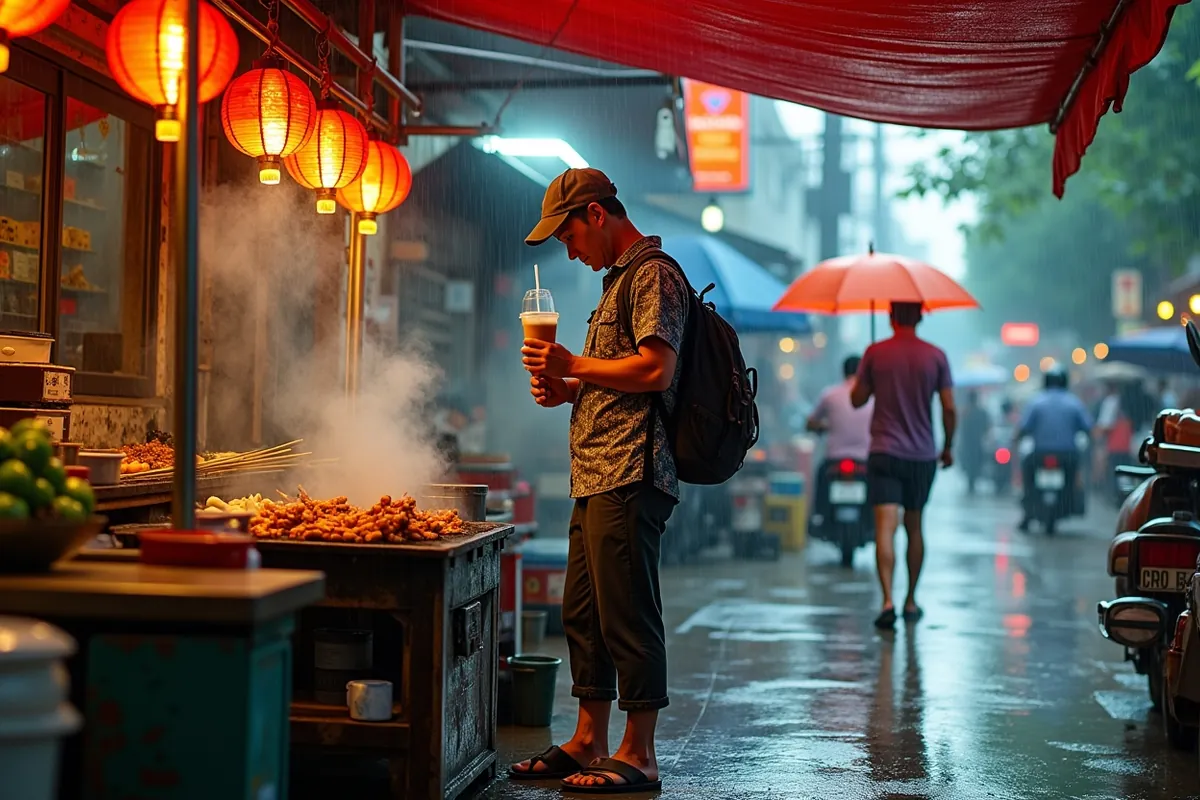
Kuala Lumpur averages around 170 rainy days per year, and in Malaysia, that does not mean gray skies all day. Often it is scorching hot, then the skies open up, and fifteen minutes later the streets are dry again. This rhythm, combined with aggressive air conditioning in shopping malls and buses, is why your packing for Malaysia needs to be a bit more thoughtful than just shorts and a tank top.
Here are myths and truths about what actually works in Malaysia’s tropical rain and AC, along with concrete items to pack.
Myth 1: Rain Equals Cold Weather
In Malaysia, rain is rarely a temperature issue. It is a humidity issue and a matter of how quickly you get wet on your way from the LRT station to your lunch. You want to be able to dry quickly, not get hot.
The truth is that lightweight materials that dry quickly beat everything. Think light shirts, athletic-like tops, and pants made of synthetic or thin cotton. Jeans often become a sponge in tropical rain, and they feel just as wrong in Penang as they do in Borneo.
A small foldable umbrella model is often better than a rain jacket in cities like Kuala Lumpur and George Town. A rain jacket can easily feel like a sauna in 30-degree heat, especially when the air is still.
Choose an umbrella that can withstand wind and fits in a daypack. In Malaysia, rain can come sideways.
Myth 2: Air Conditioning is Just Comfortable
Malaysia often runs AC at levels that feel like a different season. In shopping malls, cinemas, long-distance buses, and some restaurants, you can get quite cold, even if you just sweated outdoors.
The truth is that a light layer for indoors makes the trip much easier. A lightweight long-sleeved shirt, a thin hoodie, or a scarf can make the difference between a pleasant bus ride to the Cameron Highlands and sitting shivering for six hours.
This is especially important if you plan to take a night bus between, for example, Kuala Lumpur and Kota Bharu, or take a ferry and then directly into a freezing terminal building.
Myth 3: Malaysia is a Flip Flop Country Everywhere
Flip flops work on the beach in Langkawi and on simple boardwalks. But in Malaysia, you often walk on wet sidewalks, slippery tiled floors, and sometimes muddy trails if you go on nature excursions.
The truth is that you want two types of shoes. A pair of ventilated sneakers or lightweight hiking shoes with grip for the city, rain, and day trips, and a pair of sandals that can withstand water. Look at the sole, as it is what saves you on slick floors in shopping malls when people drip in from the rain.
If you are going to Borneo, for example, Sabah for Kinabalu Park or the rainforest, a pair of quick-drying shoes is gold. Thick leather boots can become cumbersome in heat and humidity.
Myth 4: You Don’t Need to Think About Visas and Entry if You Are Just Touring
Swedish citizens often get to enter Malaysia without a visa for short tourist visits, but that does not mean you can travel completely unprepared. A passport, return ticket, and address of your first accommodation are typical things that may be requested upon entry, especially if your trip looks open-ended.
The truth is that you should also pack for the paperwork part. Have a digital and a physical copy of booking confirmations, and write down the address and phone number of your first hotel. The entire application process and current entry requirements are described step by step on VIZA.se.
Keep a printed hotel address in your pocket. When your phone is dead after a long journey, that piece of paper is what gets you a taxi.
Packing That Matches Malaysia’s Reality
Malaysia requires clothing that can handle humidity and rapid changes. Pack light and wash more often; laundry service is common and often inexpensive in both Kuala Lumpur and on islands. Many accommodations can arrange same-day laundry for a cost that usually feels reasonable in SEK.
A small waterproof bag or dry bag for your phone and passport is more useful than a large rain poncho. Rain often comes when you are in the middle of the city, and you want to be able to stow away electronics quickly. A simple zip bag can work, but a proper waterproof bag holds up better when you find yourself in a downpour.
Mosquito protection is also something to pack, not just something to buy on-site. Malaysia has mosquitoes year-round, and in some areas, dengue is present. Bring a repellent that you know your skin can tolerate, and replenish on-site if needed.
There are a few small items that often make a big difference in Malaysia without taking up much space in your bag.
- Lightweight long-sleeved layer for buses and shopping malls
- Foldable umbrella with a sturdy frame
- Waterproof bag for phone, power bank, and passport
- Mosquito repellent and after-bite gel
- An extra pair of thin socks in your daypack
Table of Concrete Items to Consider in Malaysia
| Situation in Malaysia | Typical Problem | Pack This | Why It Works |
|---|---|---|---|
| Downpour in Kuala Lumpur | You get wet in 2 minutes | Umbrella, quick-drying top | You avoid the sauna feeling of a rain jacket |
| Freezing AC in mall | You freeze in a t-shirt | Thin hoodie or scarf | Easy to put on and take off |
| Long-distance bus | AC and drafts for hours | Long-sleeved, thin socks | Makes the journey bearable |
| Island life in Langkawi | Sand and short showers | Water-resistant sandals | Dries quickly and smells less |
| Rainforest or nature tour | Mud and moisture | Shoes with grip, thin rain jacket | Grip is more important than thick material |
Smart Material Choices for Malaysia’s Humidity
Humidity is the big culprit. Choose garments that do not feel heavy when they get wet and can be rinsed in the sink. Merino can work for some, but in Malaysia, many prefer synthetic blends as they dry faster in high humidity.
Bring a couple of garments that cover shoulders and knees. This is practical when visiting mosques and certain temples, and it also protects against sun and mosquitoes in the evenings. In Kuala Lumpur, you will also appreciate it when moving between cold indoor environments.
Electricity, Charging, and Everyday Logistics in Malaysia
Malaysia generally uses British type G plugs. A travel adapter is therefore almost always necessary for Swedish plugs. Hotels may sometimes lend them out, but do not count on it.
A power bank is more than a convenience. Grab, maps, and payments may depend on your mobile, and rain often means you are standing under cover scrolling while waiting out the shower. Invest in a model that can last a full day.
Health in Rain and AC
The combination of sweat, rain, and cold air makes many people develop a sore throat or a cold, even in the tropics. Bring throat lozenges and preferably nasal spray if you know you are sensitive. These small items can save an outing to Batu Caves or a food evening in Jalan Alor.
Drink more than you think. In Malaysia, you do not always notice how much fluid you lose when switching between hot outside and dry cold inside.
Final Check Before You Close Your Bag
The goal is for you to be able to handle three situations without stress. Hot and humid outdoors, sudden downpours, and chilly AC. When you pack for Malaysia, each garment should have a clear function and ideally work in at least two of the situations.
Double-check that you have an adapter, mosquito protection, and an indoor layer easily accessible in your carry-on. Then you are ready for Malaysia, even when the weather changes mood in a quarter of an hour.