 Russia
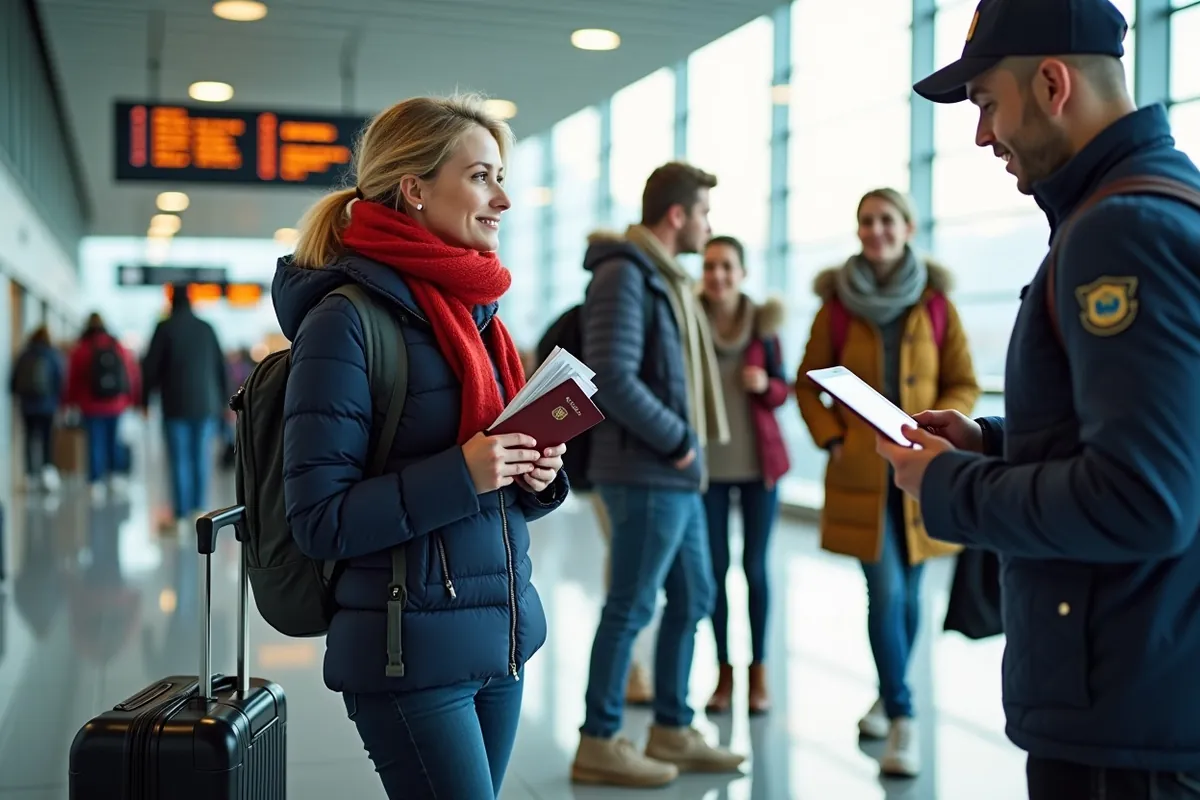
You are standing at Arlanda with your boarding pass in hand and realize that your connection goes via Russia. A quick search shows “e-visa”, but the question is whether that is enough for your particular route, especially if you need to change flights or leave the transit area.
Russia has an electronic visa, commonly called an e-visa, that can be used by Swedish citizens for shorter trips. It is a clear change compared to the traditional tourist visa requiring an invitation and paper handling, but it is not a universal solution. For those traveling from Sweden, the difference is especially practical since you often plan with SAS, Finnair, or another European connection, and that raises the question of entry versus transit.
What the e-visa actually means when entering Russia
The e-visa is designed for short trips and is applied for digitally. You still need to meet Russian entry requirements and you will be checked at the border just as usual. What changes is mainly the application process: you avoid going through a traditional visa stamped in your passport.
The important thing for Swedish travelers is that the e-visa is not just about “can I go to Russia”, but also about how you get in. If you land in Russia and pass through passport control, you are in the country, even if you are only continuing after a few hours. Then you need a visa that matches your situation, and the e-visa can be the right choice if your entry is through an approved border crossing and your stay fits within the conditions.
If you plan to leave the airport during a layover, count on needing to pass through passport control. Then you must have a visa that works for entry, not just a ticket onward.
Layovers in Russia: what usually causes problems
Transit in Russia can be either “airside” or “landside”. Airside means you stay in the transit area without passing Russian border control. Landside means you go through passport control and collect luggage, change terminals in a way that requires entry, or stay overnight at a hotel outside the transit area.
In practice, it depends on your ticket and the airport’s layout. If you have separate tickets and need to check in again, you may have to go out to the arrivals hall. Then the e-visa becomes relevant, but only if your entry is through a border crossing that accepts e-visas. This is where Swedish travelers often miss the details, especially when chasing a cheaper price in SEK and mixing different bookings.
Another classic issue is luggage. If your luggage is not checked through to your final destination, you may need to collect it and check in again, which normally requires passing through passport control. Russian airports can also have terminal changes that cannot be done within transit.
Specific points to check before you book
It is not enough to know that e-visas exist. You need to match your trip against the rules.
- Is your arrival airport and border crossing approved for e-visas?
- Do you have one single ticket the whole way or separate bookings?
- Is your luggage checked through to the final destination?
- Does the terminal change require passing passport control?
- Do you have enough margin if you need to go landside?
Quick comparison: e-visa and traditional visa for Russia
The table below is simplified but helps you think correctly when planning entry or a layover.
| Situation for Swedish traveler | E-visa can work | When traditional visa is often needed | Practical risk during layover |
|---|---|---|---|
| Short tourist trip with entry via approved border crossing | Yes | If you are staying longer or need another visa type | Low if everything is in order |
| Layover without leaving the transit area | Sometimes unnecessary | If the airport requires entry for the change | Medium, depends on ticket |
| Separate tickets and new check-in in Russia | Often, but verification needed | If the border crossing does not support e-visa | High, you can get stuck |
| Overnight stay outside the airport during transit | Yes if conditions are met | If the stay does not fit within the e-visa terms | Medium to high |
Why this matters especially right now
Routes to and via Russia are affected by changing flight connections, sanctions, and practical limitations in payments and insurance. This means more people are looking at complex trips with multiple segments, sometimes via less obvious hubs. This increases the risk of finding yourself in a situation where you unexpectedly need to pass Russian border control.
If you have a Swedish passport and want to minimize risk, my advice is to plan layovers so they can be done entirely within transit, or to have a visa that safely covers an actual entry. VIZA.se can be a good resource when you want to double-check which visa type matches your route and border crossings, especially if you are traveling with separate tickets.
If something feels unclear, call the airline and ask whether your luggage is checked through and whether the layover is airside. That is often the difference between a smooth trip and being stopped at passport control.
What to do now if you are traveling to or through Russia
Start with your actual travel plan, not with the visa type. Read up on airport, terminals, ticket type, and luggage handling. Once you know if you risk a landside layover, you can decide if the e-visa is enough or if you need a different setup.
If you have already booked and discover that you may need to cross the border, act immediately. Check if your border crossing supports e-visas and if your stay fits within the conditions. Do not wait until the day before departure from Arlanda, as it is often too late to save a tight connection.