
 Indien
Need a visa or travel authorisation for India?
See requirements, price and how the application works before you book your trip to India.
Go to the India guideIndia tightened its SIM registration procedures with operators in 2024, affecting how quickly you can obtain a local number as a Swede. In practice, this means more ID checks, more questions about your address in India, and sometimes longer wait times before the SIM card is activated. Therefore, plan your connectivity as part of your safety, not as a detail to address when you have time.
Local SIM, eSIM, or Roaming as the Safest Route
A local Indian number simplifies daily life since many delivery services, hotels, and drivers prefer to call rather than text. However, local SIMs are often where travelers get stuck, as registration can be strict in-store and activation may take time.
At larger airports, you can find kiosks for Airtel and Jio, but do not expect the process to take just five minutes. You will need your passport, visa or eVisa printout, sometimes an address in India, and often a photo. Some stores take photos on-site, while others require a passport-sized photo.
Roaming from Sweden can be expensive in the long run, but it is often the most predictable option for the first day. An eSIM from an international provider can be a good middle ground, especially if you want to be online immediately to book transport and notify your hotel. The downside is that some Indian services work better with an Indian number, and bank-related functions may be restricted.
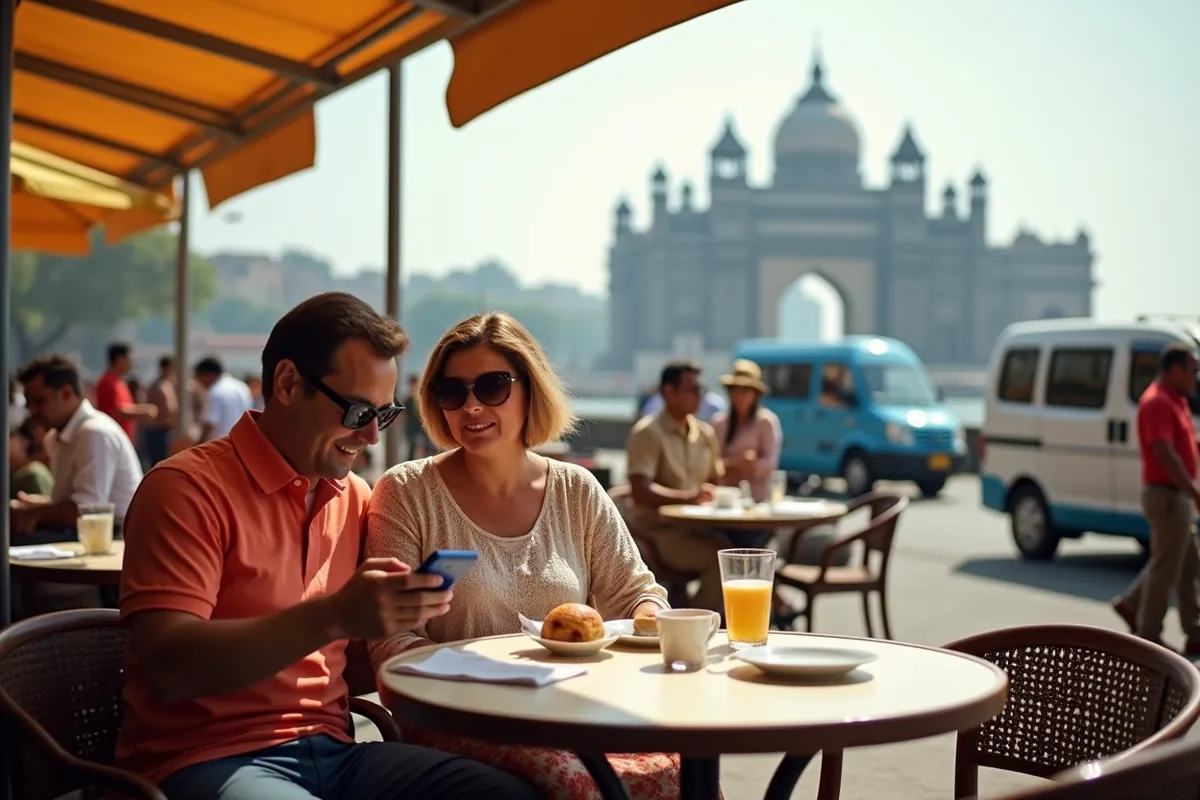
If you arrive late, ensure you have working data before leaving the terminal. The first hour in India is when you most need maps, bookings, and contact with your accommodation.
Common Pitfalls When Buying a SIM in India
The address question is often what stops travelers. A hotel address is usually sufficient, but staff may want to see a booking confirmation. Be sure to print it out or have a screenshot ready, and use the same spelling as in the booking, exactly as in the machine-readable line of your passport when it comes to names.
Activation can take anywhere from an hour to a day. During this time, you may have a SIM that appears active but does not work. Therefore, have a plan B, such as roaming with your Swedish operator or Wi-Fi at the hotel as your first anchor.
There are also instances where sellers attempt to sell unnecessarily large packages or “tourist specials” at a higher price. Ask for a regular prepaid package with a clear validity period and inquire about the daily data allowance. Preferably pay with a card or UPI if you already have it; otherwise, pay in cash in INR.
Apps That Make the Biggest Difference on the Ground
In India, the right apps are a safety feature. They reduce the need to negotiate under stress, help you avoid the wrong vehicle, and provide traceability.
Uber is available in many cities, but Ola is often equally relevant. For local rickshaws, Rapido is common in several regions. For train travel, IRCTC is official, but many Swedes use third-party apps to check schedules and then book where it works best.
Maps are essential, but download offline maps for the areas you will visit, especially in the Himalayas or parts of Northeast India where coverage may be uneven. WhatsApp is practically the standard for communication with hotels, guides, and drivers.
A small app-based routine can save an entire day. Send your live location via WhatsApp to a contact when taking a taxi in the evening, and ask the driver to confirm the destination in the app before you roll out.
UPI and Payments Without Losing Control
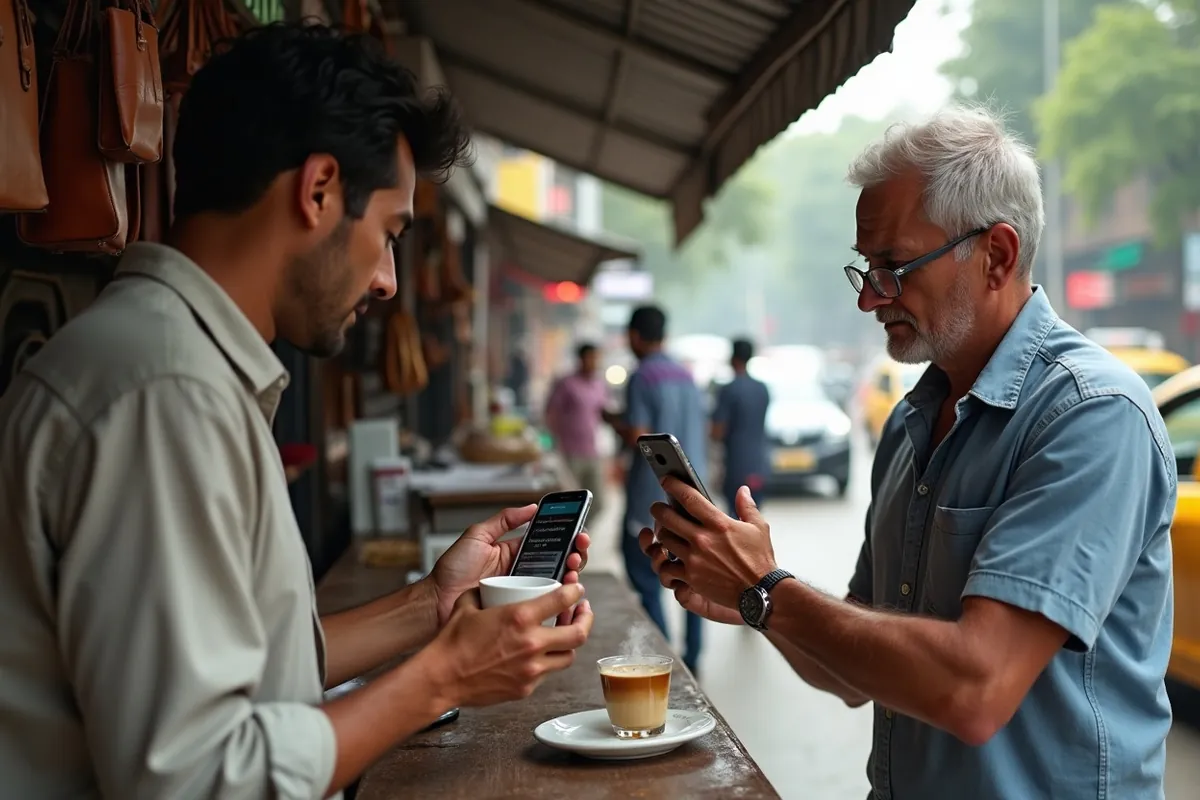
UPI is India’s dominant payment method, but as a tourist, you do not always have easy access. Some may obtain UPI through special solutions linked to their passport and Indian number, but it is not as frictionless as it is for Indian residents.
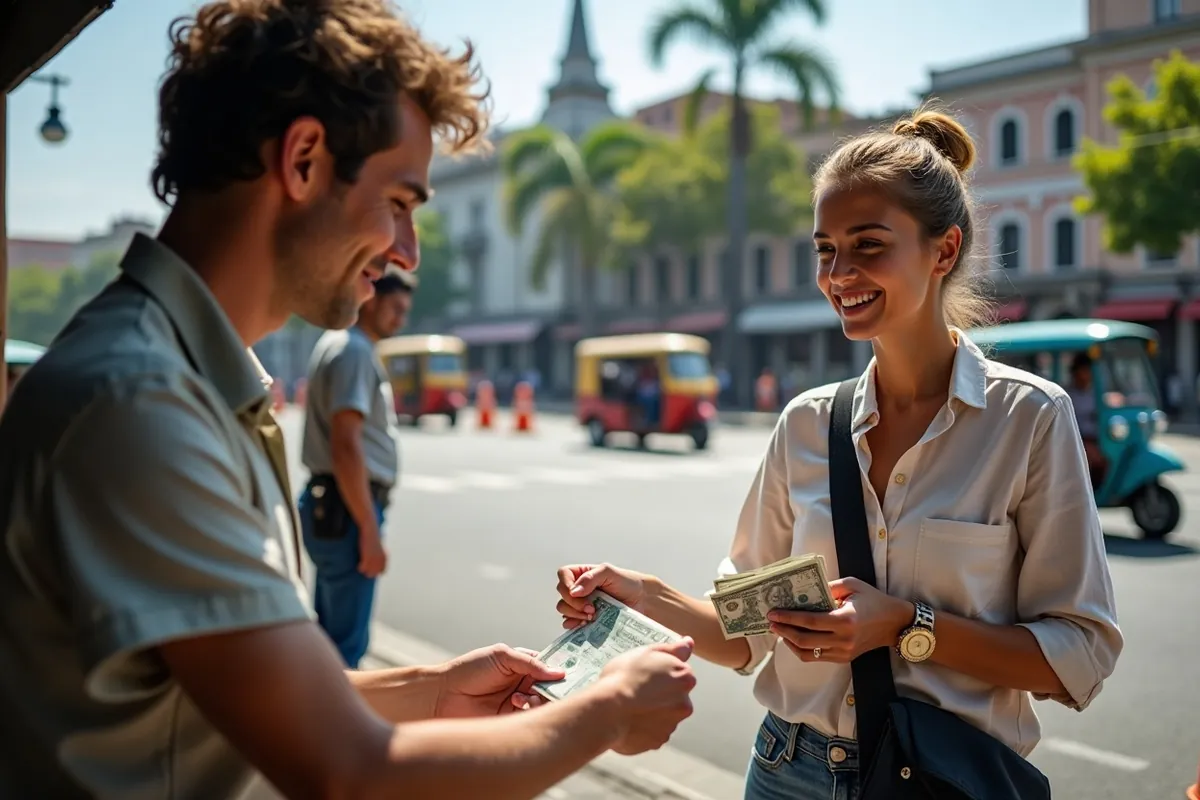
Cards work well at hotels, larger restaurants, and chains, but smaller places may prefer cash or UPI. Always have a buffer of INR for short distances, tips, and small purchases. Reasonable levels might be 2,000 to 5,000 INR in your wallet and the rest on a card.
Be cautious of payment links sent to you in chat. If someone asks you to “confirm” a payment that is actually a request, you might accidentally approve a withdrawal. It is better to initiate the payment yourself in your banking app or pay on-site.
Emergency Contacts and Numbers Actually Used in India
India has a consolidated emergency number, 112, which works in many parts of the country. For police, 100 is often used, and for ambulances, 108 is common in several states, but coverage and response vary between regions.
Also, save the contact details for the Swedish embassy in New Delhi. In many situations, it is not the embassy that resolves the immediate issue, but they can provide advice in case of passport problems, serious incidents, and contact with local authorities.
Write down the address of your accommodation in text, not just as a map pin. In India, a taxi driver may prefer a landmark, and in stressful situations, it is easier to read out “near Metro Station X” than an exact street name.
Quick Table for Safe Connectivity and Contact
| Need | Recommendation in India | Practical Detail |
|---|---|---|
| Data upon arrival | Roaming for the first day or international eSIM | Ensures maps and transport when local SIM is delayed |
| Local number | Airtel or Jio prepaid | Requires passport, visa, and often hotel address |
| Traceable taxi | Uber or Ola | Share the ride in the app with a contact |
| Emergency | 112 | Functions as a consolidated emergency number in many areas |
| Contact with accommodations | Most common channel for hotels and drivers |
Daily Routines That Reduce Risk in Indian Cities
Traffic is the biggest daily risk. Never cross the street “by feel” as a pedestrian; instead, follow local patterns and cross together with others. In the evenings, prefer an app-booked car rather than jumping into the first available taxi.
In major cities like Delhi, Mumbai, and Bengaluru, pickpocketing is not unique, but the crowds make it easy to lose control. Keep your phone in your front pocket or in a bag you carry in front of your body in markets and at large stations. Use screen locks and turn off SMS previews on the lock screen.
For women, the safety situation can vary significantly between areas and times. Choose accommodations in well-known neighborhoods, avoid solitary walks late at night, and use traceable transport. This is often a greater security measure than what device you carry with you.
Health as a Safety Issue, Water and Food in India
Stomach issues are the most common reason for trips going awry. Drink sealed bottled water and avoid ice unless you trust the place. Brush your teeth with bottled water if you are sensitive.
Eat where there is turnover in food. A popular simple restaurant can be safer than an empty tourist trap. Bring rehydration solutions and a simple anti-diarrheal, and find out where the nearest larger hospital is if you travel outside major cities.
Documents, Copies, and Digital Security in India
Keep a digital copy of your passport’s info page and your Indian visa, preferably in a cloud service and on your phone. Use only one place to update it, so you do not accidentally show an old version. You can save it as a PDF once and then leave it untouched.
On open Wi-Fi, especially in cafes and simpler hotels, avoid banking transactions. If you must, use mobile data or a VPN. Also, set your phone not to automatically connect to new networks.
When Visa and Connectivity Are Interconnected
If your eVisa application requires you to receive emails and sometimes SMS, connectivity becomes part of your travel chain. The same applies if you need to access bookings during a check. If you are unsure which visa type suits you, VIZA.se has a good overview.
Five Things to Do on Your First Evening in India
- Activate a working data option and test calls.
- Save 112 and the embassy’s contact details in your phone.
- Send your hotel address and a live location to a contact back home.
- Withdraw or exchange a small amount of INR for the next day.
- Note the nearest landmark to your accommodation; it helps with taxis and deliveries.
Small Details That Make a Big Difference
India rewards those who are prepared but flexible. A local number, the right apps, and saved emergency contacts allow you to make calm decisions even when the pace is high. This security is most noticeable when something goes wrong, and by then, it is too late to start looking for solutions.