
 Kambodja
Need a visa or travel authorisation for Cambodia?
See requirements, price and how the application works before you book your trip to Cambodia.
Go to the Cambodia guideCambodia has recently tightened controls around online scams and human trafficking in several border and casino towns, which affects you as a Swedish traveler more than you might think. This means more checkpoints on certain routes, more uniforms around bus terminals, and a clearer distinction between safe tourist areas and places where you have no business being. For me, the lesson is simple: safety in Cambodia is less about drama and more about avoiding the wrong situation at the wrong time.
Cambodia is usually calm, but friction exists
Phnom Penh and Siem Reap often feel friendly and everyday, especially in areas around Riverside, BKK1, Pub Street, and Old Market. At the same time, these are places where small scams thrive on pace, crowds, and being new to the country. In Cambodia, violence is rare, but it can get expensive if you fall for the wrong setup.
Nightlife and late transport are a clear dividing line. I like to move freely during the day, but after dark, I become more selective about which streets I take and how I get home. That is when you realize that “just a short walk” can become unnecessarily exciting.
Scams you might actually encounter
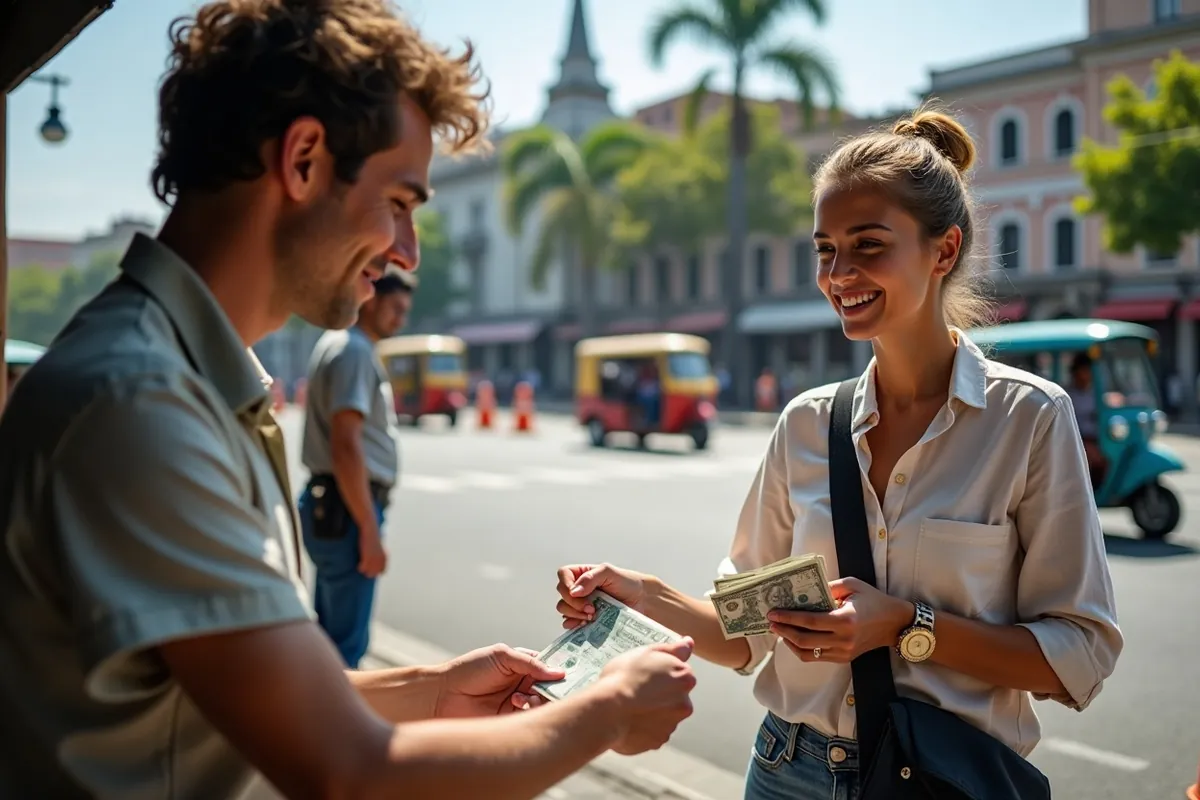
The most common issues are not large scams, but small tricks that grate on you. A driver who suddenly “doesn’t understand” the price, a friendly stranger who wants to lead you to a specific shop, or a bill that gets swapped in your hand when you receive change. Cambodia uses both riel and US dollars in practice, and this mix can confuse many.
A classic setup in tourist areas is someone offering “help” with tickets, temple passes, or finding your way. This can end with you being led to another counter, another price list, or a “commission” that was never mentioned. Another recurring scenario is on buses and in minivans, where someone helps you with your luggage and then wants extra payment afterward.
Also, keep an eye on gambling and casino talk, especially near certain border areas. If someone you just met talks about quick money, free transport to a “good place,” or job opportunities for foreigners, politely decline and move on. Unfortunately, Cambodia has been a hotspot for organized networks, and that is not something you want to get close to.
Tuk tuks and motos, how to avoid price disputes
Tuk tuks are wonderful in Cambodia, but they are also where most small conflicts arise. In Phnom Penh, distances are longer and traffic is more intense, while in Siem Reap, it is more tourist logic with temple tours and package prices. The most important thing is to agree on the price and route before you get in, and preferably show on a map where you are going.
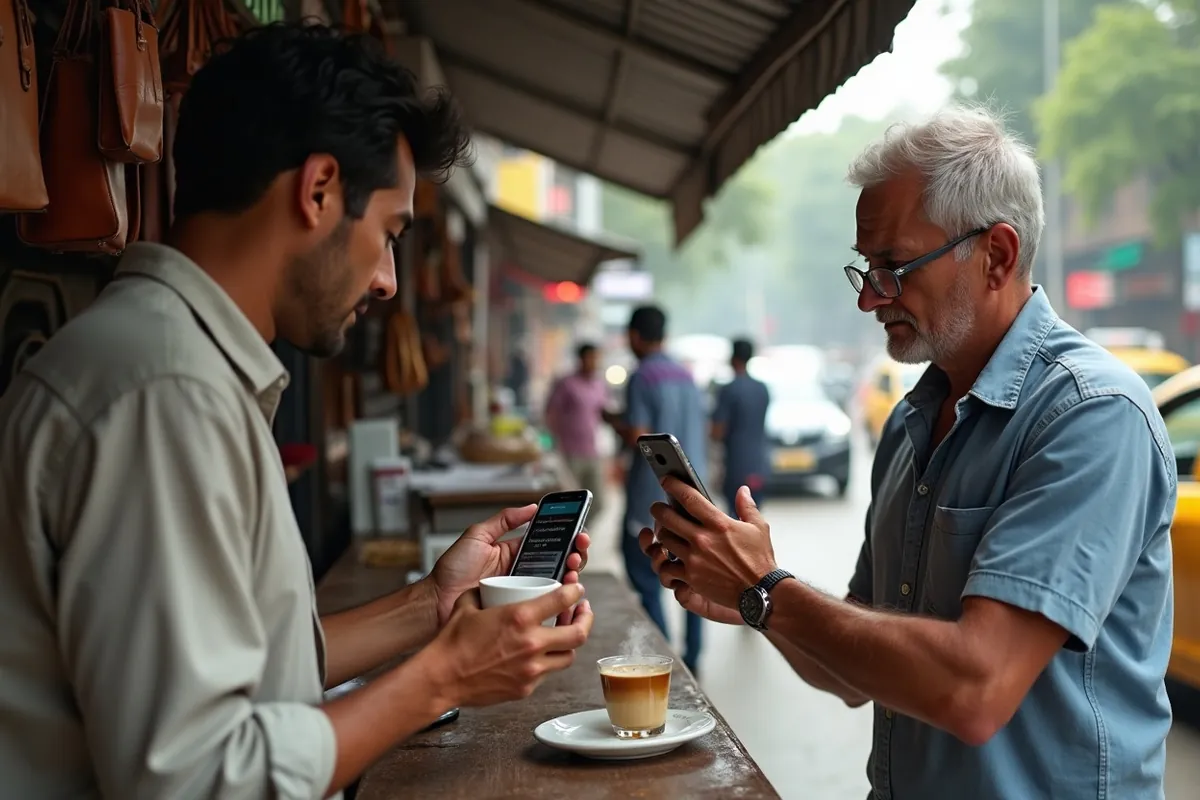
Apps make life easier. Grab works well in Phnom Penh, and PassApp is still common in many places. With an app, you see the price in advance, you get a log of the trip, and you avoid many misunderstandings. When I take a “street tuk tuk,” I prefer it for short, simple distances where I already know roughly what it should cost.
One detail that saves irritation is to have small bills ready. If you pay with a large dollar bill, the risk of the change becoming a topic of discussion increases. Riel is perfect for small amounts, while dollars are convenient for hotels and larger expenses.
ATMs in Cambodia, where money can disappear in fees
ATMs are safe in Cambodia if you choose the right machine and are a bit methodical. Some banks charge high withdrawal fees, and sometimes your Swedish bank adds its own fees and currency surcharges. This means that a “quick withdrawal” can become unexpectedly expensive in SEK.
I prefer ATMs located inside or just outside a bank branch, or in large shopping malls. Avoid solitary machines on dark streets, not because someone is waiting, but because you become more distracted if something goes wrong. Skimming is not the most common issue I have seen, but it is enough for me to choose safer locations.
When the machine asks if you want to be charged in SEK or local currency, choose local currency. This reduces the risk of getting a bad exchange rate through so-called dynamic currency conversion. If an ATM offers a “guaranteed rate,” it sounds safe, but it is often worse.
Tip: If an ATM behaves strangely, cancel and switch machines, do not rush through a withdrawal.
Cash in dollars and riel, how to avoid bill troubles
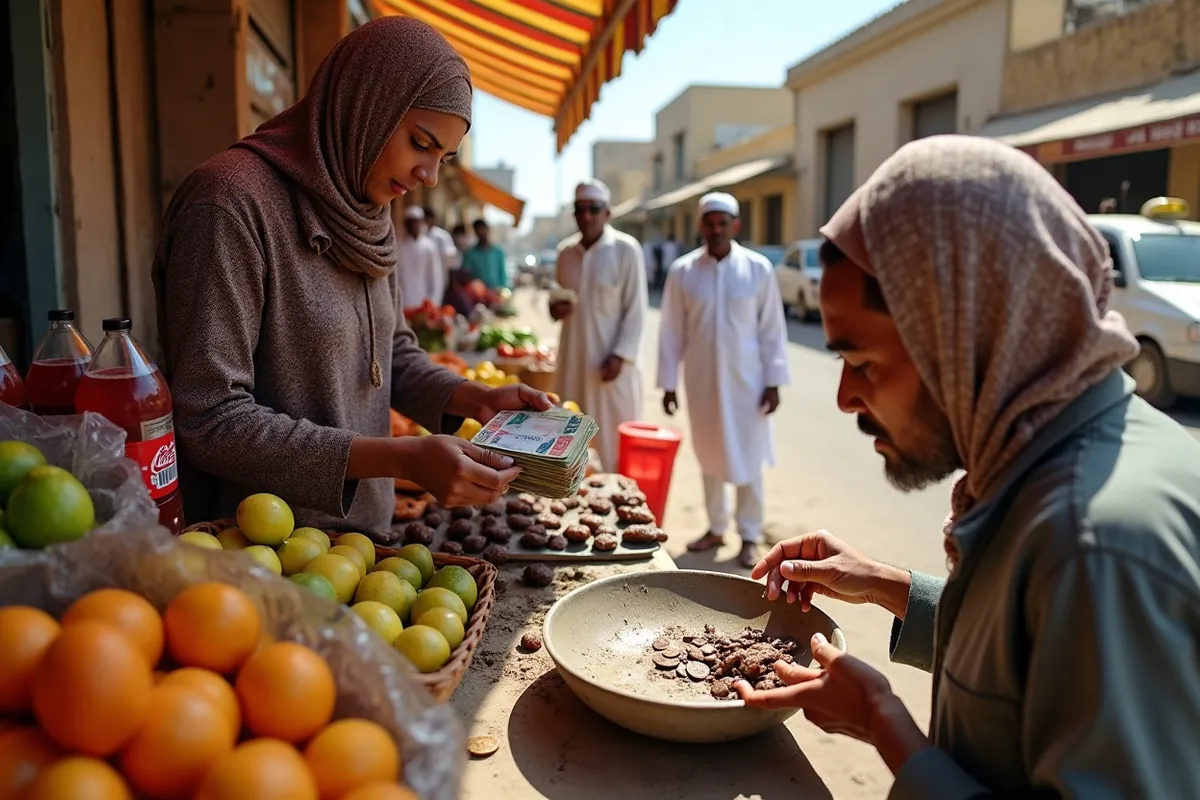
Cambodia is one of the few countries where you truly live with two currencies at the same time. Dollars are widely used, but the requirements for the condition of the bills can be strict. Crumpled, taped, or worn dollar bills can be refused, especially at hotels, ticket counters, and for larger payments.
Riel is kinder in everyday situations and works great for food stalls, markets, and short trips. I usually think of dollars for planned expenses and riel for everything spontaneous. Feel free to ask for change in riel when it fits, then you avoid hunting for small dollar bills.
Mobile, SIM, and QR, how to become less vulnerable
A local SIM card makes a big difference in Cambodia. Partly because you can use transport apps, and partly because you can share your location if something feels off. Cellcard, Smart, and Metfone are visible everywhere, and it is easy to buy in stores.
QR payments exist, but cash is still king in many situations. I like to have a mix, some cash in one place and cards in another. This way, a lost wallet does not mean losing all your travel funds.
Where in Cambodia you should be extra vigilant
In Phnom Penh, the pace is more urban. Riverside can be nice, but some side streets become messier late at night. I avoid walking alone far after midnight, and I prefer to take an app-booked tuk tuk rather than risk it.
In Siem Reap, it is safe in the tourist core, but the crowds around Pub Street make pickpocketing more relevant. Keep your phone in your front pocket or in a bag that is close to your body. At the Angkor temples, there are fewer crimes, but more “service selling,” someone wanting to guide you to a specific guide, a specific shop, or a specific lunch spot.
At borders and in casino towns, my rule of thumb is to stick to transport, accommodation, and clear business. If you do not have a good reason to stay, do not.
A comparison that makes choices easier
Here are my practical favorites when you want to minimize risk and friction in Cambodia.
| Situation | Better choice | Why | Disadvantage | My recommendation |
|---|---|---|---|---|
| City transport | App-booked tuk tuk | Price and route are visible, less haggling | May be few cars in rain | App in Phnom Penh, mixed in Siem Reap |
| Short distance at night | Tuk tuk rather than walking | Less exposure on dark streets | Costs a bit more | Pay with small bills, ask price beforehand |
| Cash | Withdraw in bank branch or mall | Better environment, fewer distractions | May have to queue | Withdraw larger amounts less often |
| Currency when paying | Local currency at card and ATM | Often better rate | Requires you to dare to choose right | Choose local currency every time |
| Change and small purchases | Riel in everyday life | Convenient, less bill hassle | You get more bills | Have a separate pocket for riel |
Small habits that make a big difference
There are a few things I do almost automatically in Cambodia to avoid unnecessary situations.
- Have two cards, one in your wallet and one in your accommodation.
- Photograph your passport and visa, and save as a PDF on your phone.
- Say no immediately to “special prices” that require you to follow someone somewhere.
- Use a helmet if you take a moto, even for short distances.
- Double-check the address in the app before you hit order.
How visa and entry affect safety
The visa issue is not just paperwork; it affects how you move. If you need to sort something upon arrival, and you are tired after traveling, you become more easily influenced by “helpers” who show up. I prefer to have everything sorted in advance when possible, so I can walk straight through without talking to the wrong person.
Tip: Double-check current requirements on VIZA.se before booking your flight.
My clear recommendation for a safer trip
Opt for app-booked tuk tuks in the cities, withdraw cash in bank environments, and use riel for small expenses. Focus your energy on Angkor, the food, and the night markets, not on haggling drama and card issues. Cambodia rewards those who move calmly and prepared, and then the country feels just as relaxed as you hope when booking your trip.