
 Thailand
Thailand: How to Avoid Tourist Traps with Baht, Tips, and Currency Exchange
You stand at Arlanda with your boarding pass in hand and a thousand baht in your pocket. Then you land in Bangkok and see the first currency exchange desk at Suvarnabhumi. The rate looks okay until you do the math and realize you lost several hundred SEK in a single exchange.
In Thailand, it is rarely the price itself that trips you up; it is small markups, poor exchange rates, and unfamiliarity with tipping and currency. If you manage three things: ATMs, currency exchange, and how you pay in everyday situations, you can avoid the most common tourist traps.
Exchange Smartly in Thailand, Not Just Quickly
At the airport in Bangkok, you almost always get a worse rate than in the city. It may still be worth exchanging a small amount right away for the Airport Rail Link or taxi, but keep it to what you need for the first few hours.
In central Bangkok, exchange offices with clear signs and high turnover are often better than hotel receptions. Always ask for bills in mixed denominations. A 1,000 baht note is common, but it can be troublesome when trying to pay 60 baht for a bus or at a small noodle shop.
Say directly: “small bills, please.” It saves time, and you avoid frowns when trying to pay 45 baht with a thousand baht note.
ATMs, Fees, and the Classic DCC Trap
Thai ATMs often charge a fixed fee per withdrawal for foreign cards. This fee is usually around 220 THB, regardless of whether you withdraw a little or a lot. Therefore, making many small withdrawals can become expensive.
The big trap is dynamic currency conversion, DCC. The screen will ask if you want to be charged in SEK. Choose no and let your bank handle the conversion; otherwise, you often get a worse rate. This is a detail that can cost more than a dinner in Chiang Mai.
If the machine offers “conversion rate guaranteed,” it sounds safe but is rarely good for you. Press on without conversion and save the receipt until you see the transaction in your banking app.
Cash, Cards, and When Change Becomes a Problem
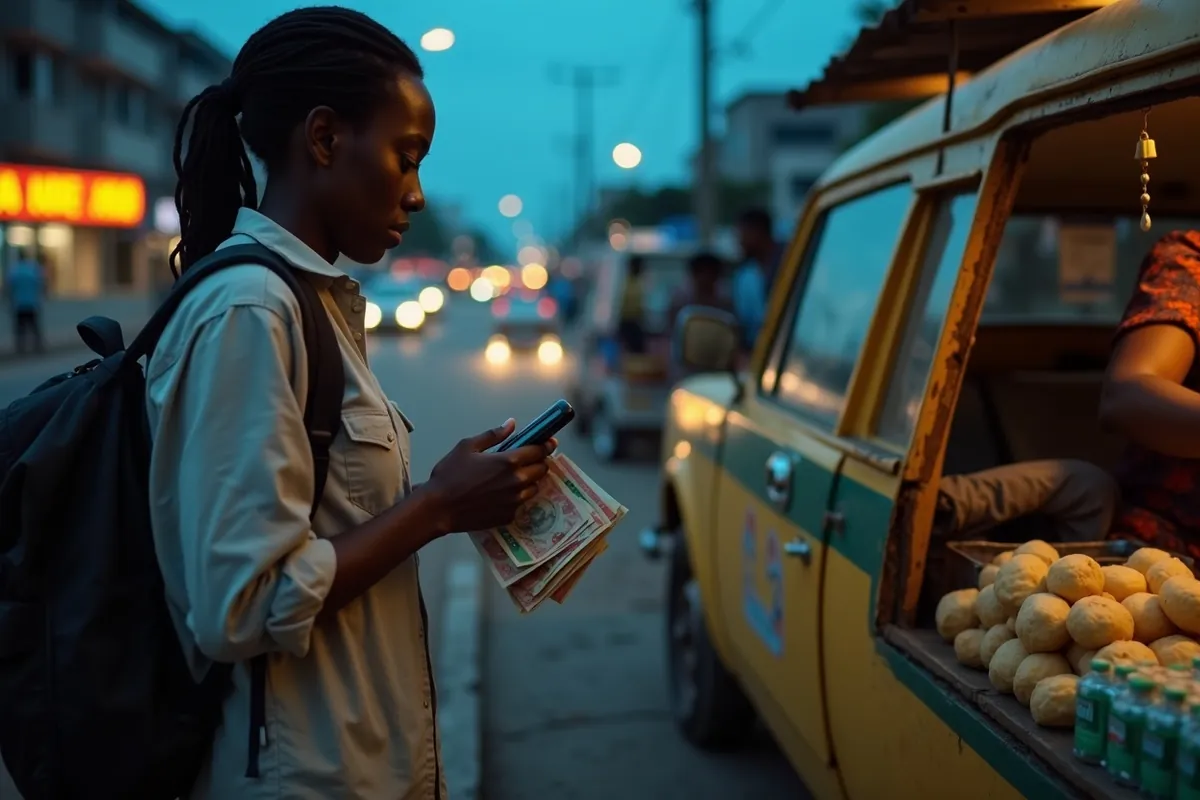
Thailand is cash-friendly. In Bangkok, you can pay with cards at larger shopping malls, but in taxis, at night markets, and on many islands, cash is the norm. Always have a small stack of 20, 50, and 100 baht notes in your pocket.
The change trick at markets is simple: if you pay with a large note late at night, the seller may say they have no change. Often, this is true. The solution is to shop with smaller notes or buy something small first to get change.
Tipping in Thailand, When and How Much
Tipping is not as ingrained as in the USA, but it is appreciated in service professions. At simpler restaurants, many round up the bill. At nicer places, a service charge may already be included, so check the line “service charge” before leaving extra.
In taxis, it is common to round up, for example from 92 to 100 baht. For hotel cleaning and luggage assistance, small notes work well. For a Thai massage, tipping 50 to 100 baht is common if you are satisfied, especially for an hour or more.
- Taxi: round up, small amounts
- Restaurant without service charge: round up or leave 20 to 50 THB
- Hotel: 20 to 50 THB for cleaning, per day if you wish
- Massage: 50 to 100 THB for good treatment
- Tuk tuk: no “must-tip,” negotiate the price beforehand
Negotiate Right, Without Getting Cheated
In Thailand, prices are often flexible at markets and for tuk tuks. State a price calmly, smile, and be prepared to walk away. It is not rude; it is part of the game.
For taxis in Bangkok, ask for the meter. If the driver refuses and wants to go with a “fixed price,” it can become expensive. In that case, it is often better to take a new taxi or book through an app. At temples and tourist areas, drivers may try to lure you with a “special tour” that ends at a jewelry store. Politely decline and stick to your plan.
Quick Overview, So You Can Calculate on the Spot
| Situation in Thailand | Common Amount | What to Do to Avoid the Trap |
|---|---|---|
| ATM fee per withdrawal | approx. 220 THB | Withdraw less frequently, choose no DCC |
| Airport Rail Link ticket | approx. 15 to 45 THB | Exchange a little at the airport, the rest in the city |
| Taxi in Bangkok start | approx. 35 THB | Demand the meter, round small |
| Bottle of water at 7-Eleven | approx. 10 to 20 THB | Pay with small notes, save change |
| Simple street food | approx. 50 to 80 THB | Have 20, 50, 100 THB ready |
If you want to double-check visa rules and entry requirements for Thailand before flying with SAS from Arlanda, you can check VIZA.se. I also recommend taking a photo of your passport and saving a copy separately; Thai police are helpful, but the process goes faster when you have the information ready.
Keep an eye on DCC, develop a habit of carrying small notes, and round tips the Thai way. Then baht and change will be something you hardly think about, and that is precisely when the trip feels like a true vacation.