 Angola
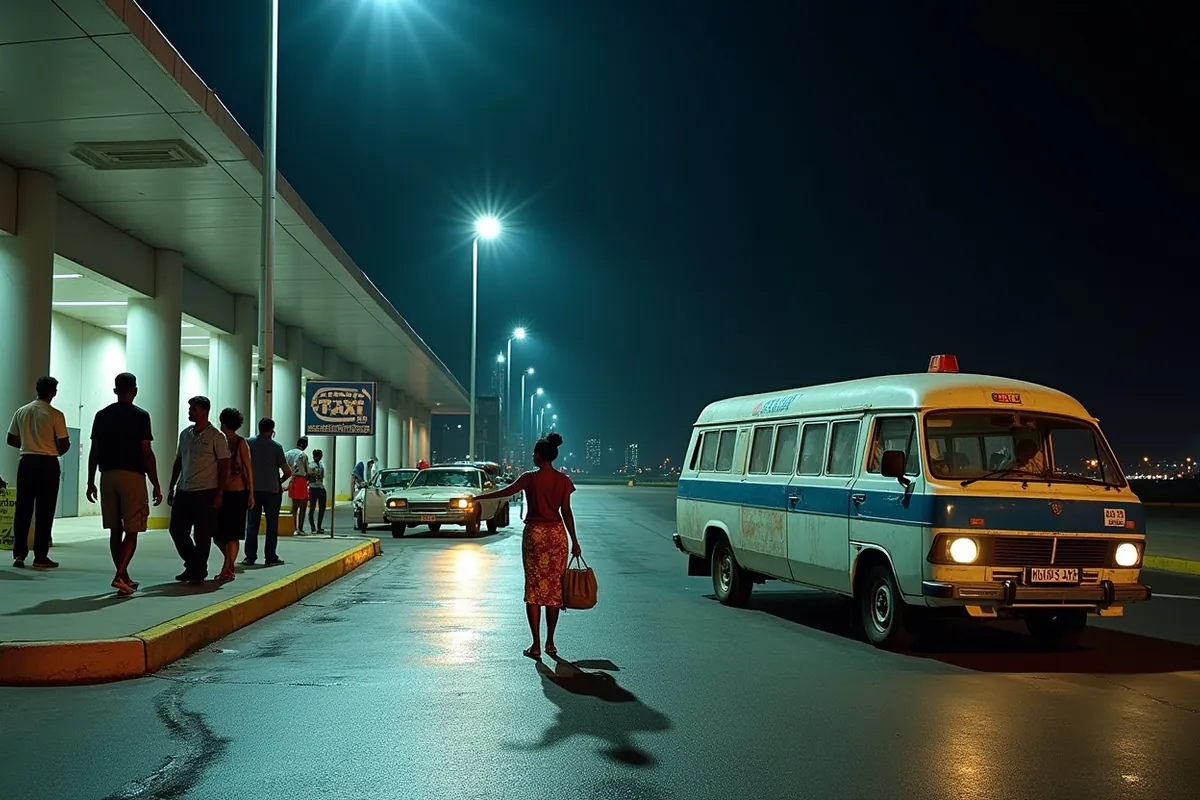
It’s just past midnight at Luanda Airport, and the air feels warm as you walk towards the arrivals hall. A guard gestures towards two different lines, one for manual passport control and another where people are trying the e-gate, and the atmosphere shifts from stress to waiting within just a few meters.
After Angola, this is the part of the journey that most people talk about afterward. Not because it is difficult, but because small details determine whether you are out in ten minutes or standing there searching for papers.
First of all, what do you need to have ready in Angola
In Luanda, it pays to have a small “arrival package” easily accessible. Your passport, hotel address, and a plan for your return trip are often requested.
I had everything in a thin plastic folder in my carry-on, and it made a difference. When it’s your turn, they want to see that you are organized, not that you can flip through papers quickly.
Have a printed or offline saved hotel booking and a contact in Angola; it saved me from extra questions when the internet was slow.
Updated visa requirements and prices can be found at VIZA.se.
Comparison of options upon arrival in Luanda
What feels like “one line” is actually several choices. Which path you can take depends on your documents, the time of day, and sometimes even the passport you are traveling on.
| Moment upon arrival in Luanda | Option | Advantage | Disadvantage | When it fits best |
|---|---|---|---|---|
| Passport control | Manual desk | Works for everyone, staff can clarify uncertainties | Can take time when multiple flights land simultaneously | First trip to Angola, or if you have many questions |
| Passport control | E-gate | Quick when it works | Can be closed or require a compatible biometric passport and registration | When you travel often and have everything in order |
| Document control | Show papers on-site | Flexible, you can explain purpose and address | Risk of extra waiting if something is missing | If you have an unusual travel plan, multiple stops, or an invitation |
| Baggage | Wait at the belt | Simple when the belt is running | Crowded, and carts may run out | If you have checked baggage |
| Customs | Green channel | Quick passage | Random checks happen | If you have nothing to declare |
| Customs | Red channel | Right path if you are bringing in goods that require declaration | Takes longer | If you have expensive equipment, larger quantities, or medications you want to be clear about |
My recommendation is manual passport control if you are in Angola for the first time. E-gate can be great, but when it malfunctions, it often leads to a detour back to the desk.
Border control in Luanda, what they actually ask
At the desk, they first look at your passport and your entry rights. Then come the practical questions, such as where you will be staying in Luanda or the country, how long you will stay, and when you will leave.
They often want to see a return ticket or a ticket onward. I had to show a confirmation on my phone, but it was nice to have an offline copy in case the connection dropped.
Sometimes they ask for a contact person or company if you are traveling for work. If you are going to meetings, it’s good to have a letter or an invitation that matches what you say, especially if you arrive late and the staff want to make the process quick and clear.
E-gate in Luanda, quick route or time trap
E-gate may be available as an option, but do not expect it to always be open or to accept everyone. When it flows, you can get through in a minute, but if the machine does not read your passport, you often have to queue again.
The important thing is not to get too locked into the “fast lane.” If you see that several people are stuck, switch to the manual desk immediately. I saw travelers standing too long just because they had already lined up there.
Immigration card and addresses, how to avoid unnecessary stops
In Angola, staff may want to ensure that details match, especially the address and phone number of your accommodation. Write down the hotel name, neighborhood, and preferably a contact; it feels more credible than a screenshot without details.
If you fill out any forms, make sure the spelling matches your booking, and that your name is spelled exactly as it appears in the machine-readable line of your passport. Small differences can lead to more questions than necessary.
If you are traveling onward within Angola, also have the first night in Luanda confirmed. That is often the address they want to see.
Baggage in Luanda, what happens after the stamp
When you exit passport control, you head towards the baggage belts. Here, it is more “airport logic” than regulations, but it can get crowded when several planes arrive close together.
Keep an eye on the belt number and check the baggage tags carefully. I saw several bags that looked very similar, and it is easy for someone to take the wrong one in the stress.
If your baggage is missing, go directly to the airline’s desk in the arrivals area and file a report before you leave. Have the address in Luanda where the bag can be delivered and a local phone number if you have one; that usually speeds things up.
Customs in Angola, green or red channel
After baggage comes the customs passage. If you have nothing to declare, you normally take the green channel, but be prepared for random checks.
If you are traveling with a lot of camera equipment, drones, larger amounts of electronics, or medications, it is smart to think it through beforehand. In practice, it’s about being able to explain what you are bringing in and why, and showing that it is for personal use or work.
Cash can also raise questions if you are carrying large amounts. I traveled with several payment options instead and withdrew smaller amounts once I was on-site.
Three flight routes from Sweden that affect arrival
The route you choose affects how you experience Luanda. Night arrivals can mean longer queues, while certain connections allow you to land when it is quieter.
Via Lisbon is common and can create a fairly consolidated arrival wave when several European flights land. Via Addis Ababa or other African hubs can spread out the flow, but you will have more steps along the way.
Choose the route that gives you some margin. A tight connection before Luanda can leave you arriving tired, and then it is easier to miss a detail at border control.
My practical recommendation for a smooth entry into Luanda
Aim to have three things ready: your passport, accommodation details, and departure information. Place them so you can access them without opening your entire bag.
If the e-gate is open and the queue seems to be moving, give it a try. If there is the slightest hesitation, go the manual route right away and save your energy.
If you want to double-check that everything is correct before you travel, do it at home when you have a good connection and time. Once in Luanda, you will benefit from being quick, calm, and consistent in your answers.
- Passport and any visa documents easily accessible
- First accommodation address in Luanda with a phone number
- Ticket out of Angola or onward travel
- Offline copy of bookings in case the internet goes down
- A plan for baggage issues, where to report directly
Once you finally step out into the arrivals hall, the tension releases. Luanda feels immediate, warm, intense, and alive, and you would rather be on your way to the city than standing at a desk looking for something that could have been in your pocket from the start.