 Singapore
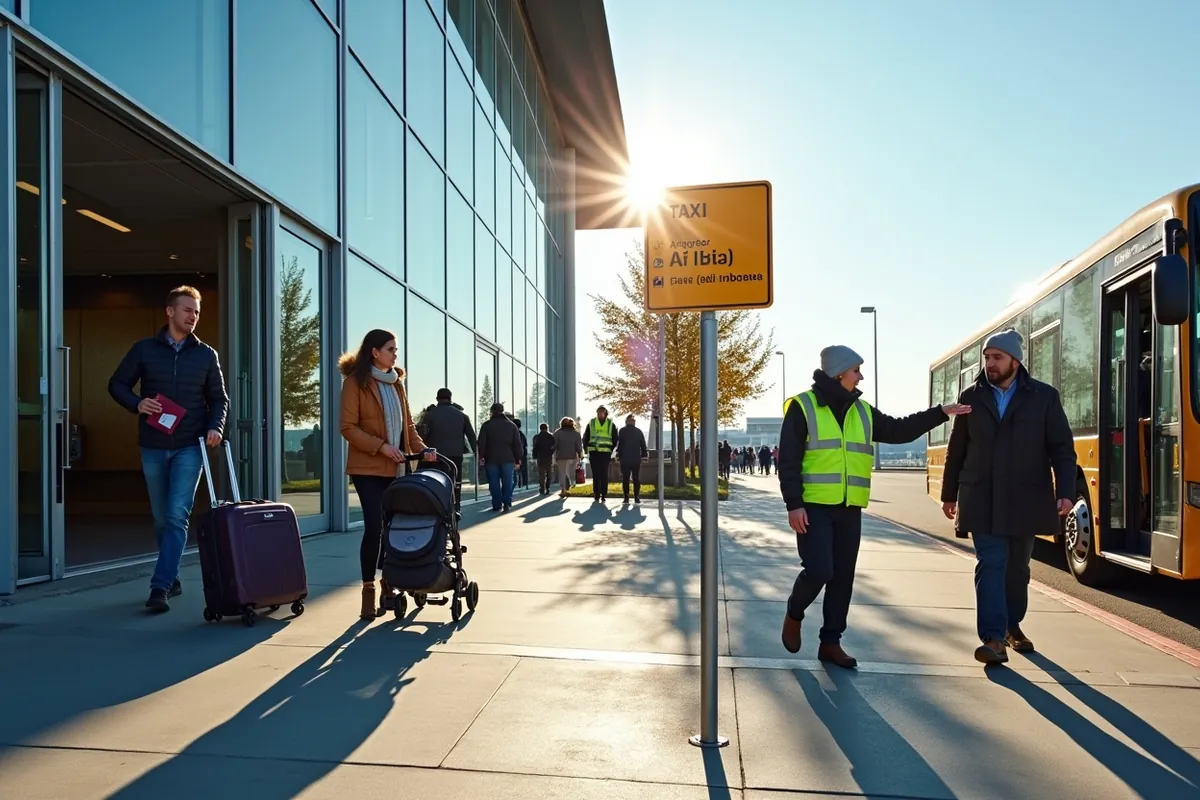
The first time I landed at Changi, I was struck by how quiet everything felt, despite the airport being one of the busiest in Asia. The signs directing you to Immigration were crystal clear, but there was one thing that guided the entire flow: everyone had already filled out the SG Arrival Card. Those who had not found themselves off to the side, not in trouble, but taking a clear detour.
Common Questions from Swedes Before Passport Control
Singapore is known for its quick processing, but this relies on you being prepared. For Swedish citizens traveling as tourists, there is typically no visa application required in advance for short visits, but you still need to meet the entry requirements upon arrival. The Immigration and Checkpoints Authority (ICA) states that travelers must submit an electronic arrival declaration via the SG Arrival Card before entering.
The practical outcome is straightforward. You show your passport, follow the instructions for the e-gate if you are eligible, and you may be asked to prove that you are a temporary visitor.
The SG Arrival Card Often Determines How Quickly You Get Out
The SG Arrival Card is not a visa. It is a digital declaration of arrival information and health declaration submitted before arrival, according to the ICA. Once submitted, you receive a confirmation, and this may be the first thing an officer asks for if something does not match in the system.
If you are traveling with family, this is especially important. An adult can assist in filling out for children, but each traveler should have their own submission linked to their passport.
Tip: Double-check current requirements on VIZA.se before booking your flight.
E-Gate in Singapore and When You Can Use It
Many Swedes hope to go directly to the automated gates. Singapore uses automated immigration, and some visitors may be allowed through the e-gate after registration or depending on current policy. In practice, this is guided by on-site instructions, your passport scan, and whether the system finds your arrival information.
Expect that you may still need to go through manual processing at times. This is especially true for first-time entries in a long while, if you are traveling with children who cannot use the gates, or if your name has special characters that create discrepancies in machine reading.
A Concrete Scenario with 48 Hours in Singapore
During a short stopover, it is easy to think that no one will ask anything. Yet, it is precisely short stays that can lead to follow-up questions, as Singapore wants to ensure that you leave the country on time.
Have a plan that you can show quickly. A booking for your next flight or ferry out of Singapore is usually sufficient, along with the address of your hotel even if you are only staying one night.
What You May Need to Show Upon Arrival
Singapore may ask you to prove the purpose of your trip and that you can support yourself during your stay. In reality, this often happens through simple questions, but it is wise to have documentation readily available on your mobile.
A colleague who traveled in for a client meeting in Marina Bay was asked to state who he would be meeting and where. He did not need to show a formal invitation letter, but he had the email thread ready, and the conversation was over in a minute.
Here are some things that usually work in Singapore when you want to avoid unnecessary stops.
- Return ticket or onward ticket from Singapore
- Hotel address or residential address in Singapore
- Contact information for employer or client during business travel
- Travel insurance details if you need to find them quickly
- A picture of the passport data page on your mobile in case you lose your passport
Passport Requirements and Validity That Matter in Singapore
Singapore has a clear passport requirement for entry. In practice, your passport is expected to be valid for at least six months upon entry, which is often checked even before you are allowed to board the plane to Singapore. The wording varies among carriers, but the requirement regularly appears in official and operational information regarding entry.
If your Swedish passport is nearing its expiration date, this is the most common reason travelers get stopped early in the travel chain. This is not a discussion you want to have in transit.
Baggage and Arrival Flow at Changi
After immigration, you will find the baggage claim, followed by customs. Changi is efficiently signposted, but it is easy to go on autopilot. Look for signs that differentiate between declaring and not declaring.
If your baggage is delayed, report it at the airline’s desk in the baggage hall. Save the reference number and take a photo of the baggage tag from your boarding pass in case you need to provide additional information later.
When Traveling with a Stroller or Special Baggage
Strollers sometimes come through special baggage. The same goes for sports equipment. At Changi, this may mean a different pickup point than the regular belts, and it can save time to go there directly when the screens indicate it.
Customs Rules That Singapore Actually Cares About
Singapore is strict about certain items. Singapore Customs informs travelers that they must declare controlled or taxable goods and follow prohibitions and restrictions. This is not the place for taking chances.
Chewing gum is the classic myth. What often causes problems in reality is travelers bringing large quantities of alcohol or tobacco products without understanding that Singapore has clear rules, and that certain amounts may be subject to duties or require declaration.
Medications are another point. If you are traveling with prescription medications, especially strong ones, it is wise to have a prescription or doctor’s note in English. The Health Sciences Authority (HSA) has information about controlled medications and what requires approval.
Quick Facts Table for Arrival in Singapore
| Arrival Moment | What You Do | Why It Matters |
|---|---|---|
| SG Arrival Card | Submit information digitally before arrival | Facilitates automated and manual immigration |
| Immigration | Follow e-gate signage or go to manual desk | You receive an entry stamp or electronic registration |
| Baggage | Collect at the belt or special pickup | Delayed baggage is handled before customs |
| Customs | Choose to declare or nothing to declare | Wrong lane can lead to checks and fees |
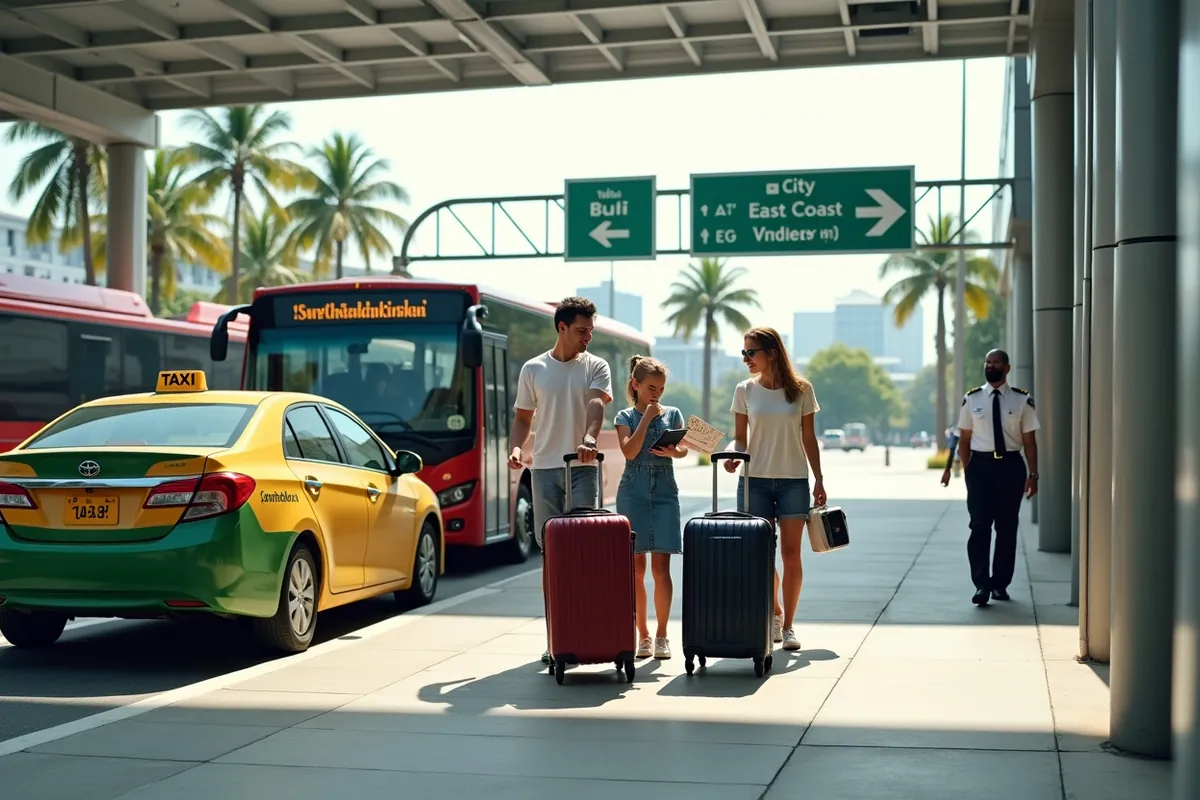
| Transport into the city | MRT, taxi, or app-based car | You are quickly at City Hall, Marina Bay, or Orchard |
If You Are Traveling for Business and Need to Get Through Quickly
Business travelers often manage with the e-gate and a quick question. What can slow you down is unclear information about accommodation or a one-way ticket.
Therefore, have the address of your hotel and a plan for departure. If you are heading to Jakarta or Bangkok within a few days, make sure the booking is easy to show.
Small Details That Can Cause Big Delays
Name discrepancies are one such detail. If you fill out the SG Arrival Card and accidentally write the wrong passport number or mix up middle names, the system may require manual checks. Write the information exactly as it appears in the machine-readable line of your passport if you are unsure.
Screenshots help. If your mobile has no coverage upon arrival, it can be comforting to have the confirmation available, or save it as a PDF once before departure.
After Customs, Singapore Awaits for Real
Once you have passed through customs, you are in a country where rules are followed. Eat and drink where it is allowed, and follow signage, especially in public transport and at the airport.
Those who arrive prepared will notice that Singapore delivers on its reputation. Fast, orderly, and very little drama, as long as your information and your goods comply with the rules.