
 Djibouti
Need a visa or travel authorisation for Djibouti?
See requirements, price and how the application works before you book your trip to Djibouti.
Go to the Djibouti guideIt is early morning at Djibouti Ambouli International Airport. The air is already warm in the arrival corridor, and suitcases roll across the shiny floor in front of the glass booths at immigration. An official waves the next traveler forward and quickly asks to see three things: the passport, the visa, and an address in Djibouti.
Djibouti may be small on the map, but its entry requirements are clear. For Swedish citizens, it is often the details that determine how smoothly the process goes, especially if you are transiting through Addis Ababa, Istanbul, or Doha and arriving late.
Myths and Truths About Entering Djibouti
Myth: You always get a visa on arrival
Truth: Djibouti offers visas on arrival for many nationalities, but this is not a guarantee in practice. You may need to show that you have a plan for your stay, such as a hotel booking or an invitation, and sometimes proof of a return ticket is requested.
Djibouti’s authorities have periodically directed travelers towards eVisas instead of cash payments on-site. Check what applies for Swedish passports before departure, as the routine can change without notice in travel forums.
Tip: Double-check current requirements on VIZA.se before booking your flight.
Myth: A passport is enough, the rest is just formality
Truth: In Djibouti, it is common for questions to be asked verbally at the counter. A classic question is where you will be staying and how long you will be there. If you only have a vague plan, the process may take longer, as the official may ask you to find a booking on your phone or write down contact details.
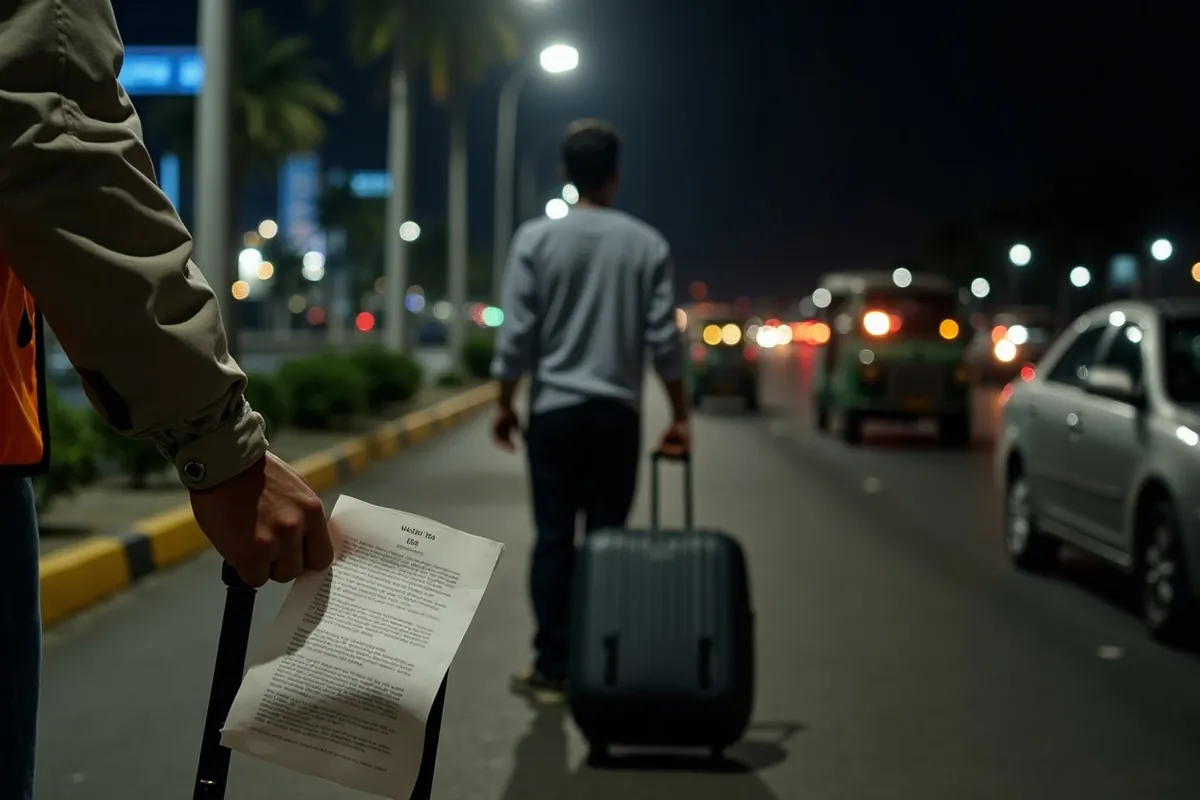
Have a clear address ready; it can be a hotel in Djibouti City or a host with a phone number. It is a good idea to write it down on paper in case roaming or Wi-Fi fails in the arrival hall.
Myth: You have to fill out a long immigration card
Truth: Many travelers expect a paper card, but Djibouti often has a simpler process where information is taken at the counter. Sometimes you will receive a short form or be asked to confirm details such as your occupation, purpose of travel, and address.
The important thing is that your information is consistent. If you say tourism but lack accommodation details, you may face follow-up questions.
Myth: Customs in Djibouti does not care about luggage
Truth: Customs control can be quick, but it is present. Especially large quantities of electronics, drones, and equipment that looks professional can raise questions. Also, expect that bags may sometimes be scanned, even if the line moves quickly.
If you are traveling with medication, keep it in its original packaging and preferably have a short certificate in English if it is prescription-based. This reduces the risk of misunderstandings.
What to Show at the Border in Djibouti
At immigration, you will normally need to show your passport, visa, and details of your stay. For Swedish citizens, it is wise to also have a copy of the passport information page easily accessible on your phone, in case you need to provide your passport number at any counter.
The official may ask for a return ticket or onward travel. It is often sufficient to show a booking confirmation in an app or in an email. If you show a document, ensure that the name matches exactly with the passport, just as it appears in the machine-readable line of the passport.
Quick Reference Table for Arrival in Djibouti
| Arrival Moment | What You Need | Why It Is Requested | Practical Advice |
|---|---|---|---|
| Immigration | Passport, visa or eVisa, address in Djibouti | Identity and purpose of stay | Have hotel address and phone number ready |
| Questions at the Counter | Return ticket, contact person, travel plan | Assessment of the reasonableness of the stay | Have bookings offline if possible |
| Health Control | Sometimes proof of vaccination depending on route | Disease control, especially when traveling from risk areas | Keep certificates with the passport |
| Baggage and Customs | Baggage receipt, sometimes declaration | Control of imports | Pack medications in original packaging |
| Currency and Payment | Cash or card | Fees may apply for visa processing | Have a reserve in EUR or USD |
Health on Entry, Vaccinations, and Possible Questions
Djibouti is located in a region where authorities may be particularly attentive to travelers who have recently been in countries with a risk of yellow fever. If you arrive from or have transited for a long time in a country where yellow fever is present, you may need to show an international vaccination certificate.
It is not always asked, but when the question comes, you want to be able to present the certificate immediately. If you only have a picture on your phone, it may work, but paper is still the safest option in Djibouti.
Djibouti has also periodically had extra procedures related to fever checks during outbreaks in the region. Expect that you may receive a quick question about how you are feeling or where you have been.
Visa Options for Swedish Travelers in Djibouti
For Swedes, the most common options are eVisa or visa on arrival, depending on current policy and the type of trip you are making. Business trips, journalistic assignments, and longer stays may require more documentation than a short tourist visit.
If you are going to work, film, or conduct research, it may be wise to have a letter from your employer or host in Djibouti. Djibouti is strategically located, with a port and military presence, and questions about purpose can become more detailed if your equipment or answers signal a professional trip.
Customs and Baggage, What Can Actually Stop You
Djibouti’s customs often focus on goods that can be resold or that require special permits. Drones are a recurring example in the region and can lead to storage or additional questions.
Cash is another point. If you are traveling with large sums in euros or dollars, have a clear explanation for why, such as that you will pay for accommodation or an expedition. It is rarely a problem, but unclear answers can trigger more scrutiny.
If you are bringing gifts or equipment to someone in Djibouti, keep it reasonable. Several identical mobile phones, new laptops in boxes, or large quantities of tech gadgets can quickly look like commercial imports.
- Have the hotel address and phone number in Djibouti on paper.
- Keep vaccination certificates together with the passport.
- Pack prescription medications in original packaging.
- Have a reserve payment in EUR or USD for unforeseen fees.
- Double-check that your name matches all bookings.
Flow from Landing to Taxi in Djibouti City
When you disembark the plane, follow the signs to immigration. The line can move quickly, but it can also stop when one flight lands at the same time as another.
After passport control, you collect your baggage and proceed to customs. Sometimes travelers are waved through, and sometimes you are asked to place your bag in a scanner or open it. Maintain a calm tone and answer questions briefly; this usually goes a long way.
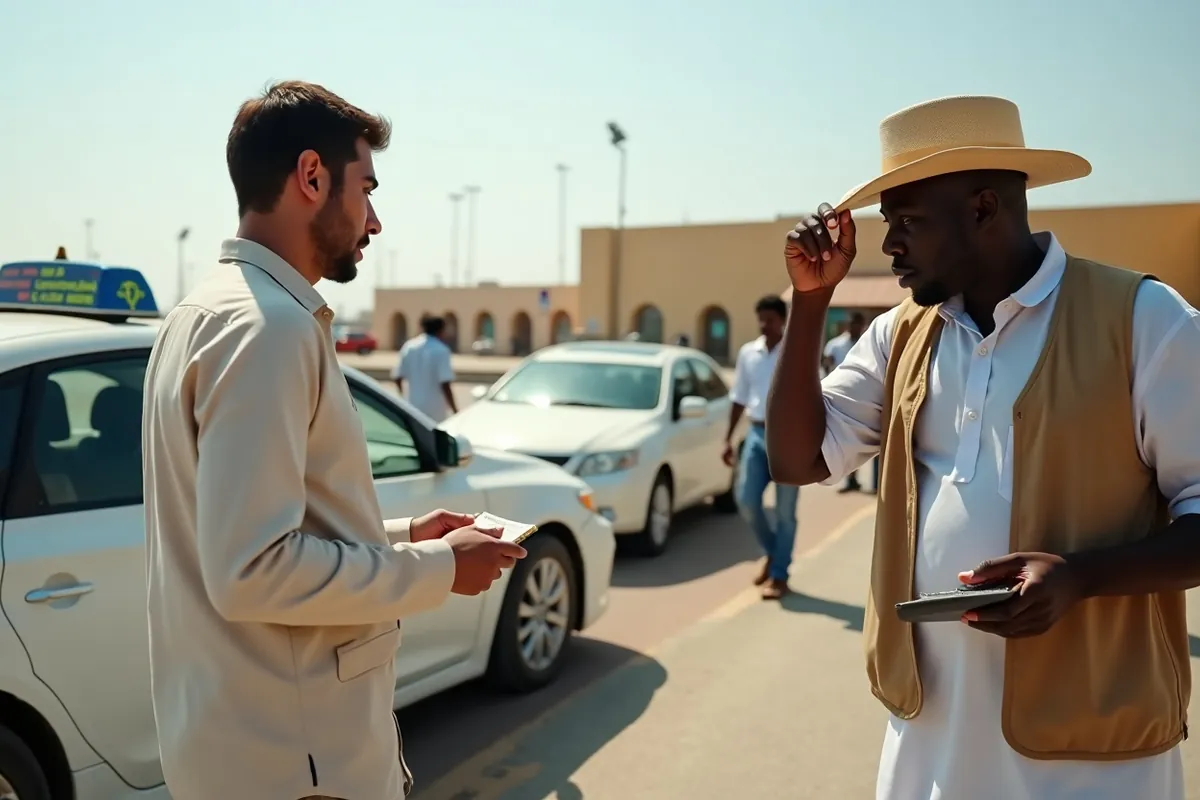
Outside the arrival hall, drivers and pickups are often waiting. If you have a transfer, have the name of the hotel and the booking reference ready, as it can be crowded and noisy.
Small Details That Often Determine Smooth Entry
The most common reason for extra time at the counter is not incorrect visas, but unclear information. Djibouti wants to see that you have a concrete plan, where you will stay, how long you will be there, and how you will leave the country.
Another detail is that mobile coverage and Wi-Fi can be uneven right upon arrival. If you only have your documents in emails, you may find yourself in an unnecessary stressful situation. Save a PDF copy of your hotel booking and return ticket on your phone before you travel.
Djibouti rewards preparation. When you can show the right papers and answer questions directly, border control is often a brief interlude, and the journey can truly begin in the heat outside Ambouli.