 Kenya
Kenya 
Did you know that many Swedish travelers in Kenya face unnecessary hassle with payments because they rely on bank cards, while M-Pesa and cash often govern daily life?
Traveling in Kenya is straightforward when you adapt to how things actually work on the ground. The difference between a smooth trip and one that feels cumbersome often lies in small choices, such as the right SIM card, appropriate shoes for safari, and knowing when to take a taxi instead of walking.
Packing for Kenya’s Climate and Daily Life
Kenya’s weather is not uniform. Nairobi can feel cool in the evenings, while the coast around Mombasa and Diani is often humid and warm.
For safari in Maasai Mara, Amboseli, or Tsavo, dust is standard. Light, breathable clothing helps, but also choose something that can get dirty without causing you irritation.
A frequently overlooked detail is electricity. Kenya uses British type G plugs, so a travel adapter suitable for Kenya is more than just a convenience if you need to charge your phone and power bank at the lodge.
Here is a short packing core that usually works for a Swedish trip combining Nairobi and safari, or safari and the coast.
- Lightweight long-sleeve shirt and long pants for evenings and mosquitoes
- Closed shoes that can handle gravel and dust, especially on safari
- Mosquito repellent and after-bite cream, preferably also anti-itch
- Power bank and adapter for type G sockets
- Small dry bag or zip bags for electronics during coastal and boat transfers
Also, bring a small flashlight or headlamp. At some accommodations, it gets dark quickly after sunset, and pathways can be uneven.
Money in Kenya with M-Pesa, Cards, and Cash
M-Pesa is the dominant payment method in many contexts. You will see it on signs in kiosks, with drivers, and in smaller restaurants.
As a tourist, you can sometimes register for M-Pesa at a Safaricom store with your passport, but this is not always straightforward depending on procedures and the availability of staff who handle tourists. Therefore, do not rely on M-Pesa to solve everything, but plan to encounter it everywhere.
In Nairobi and in larger hotel environments, cards often work well. However, smaller places may add fees, have unstable terminals, or prefer cash.
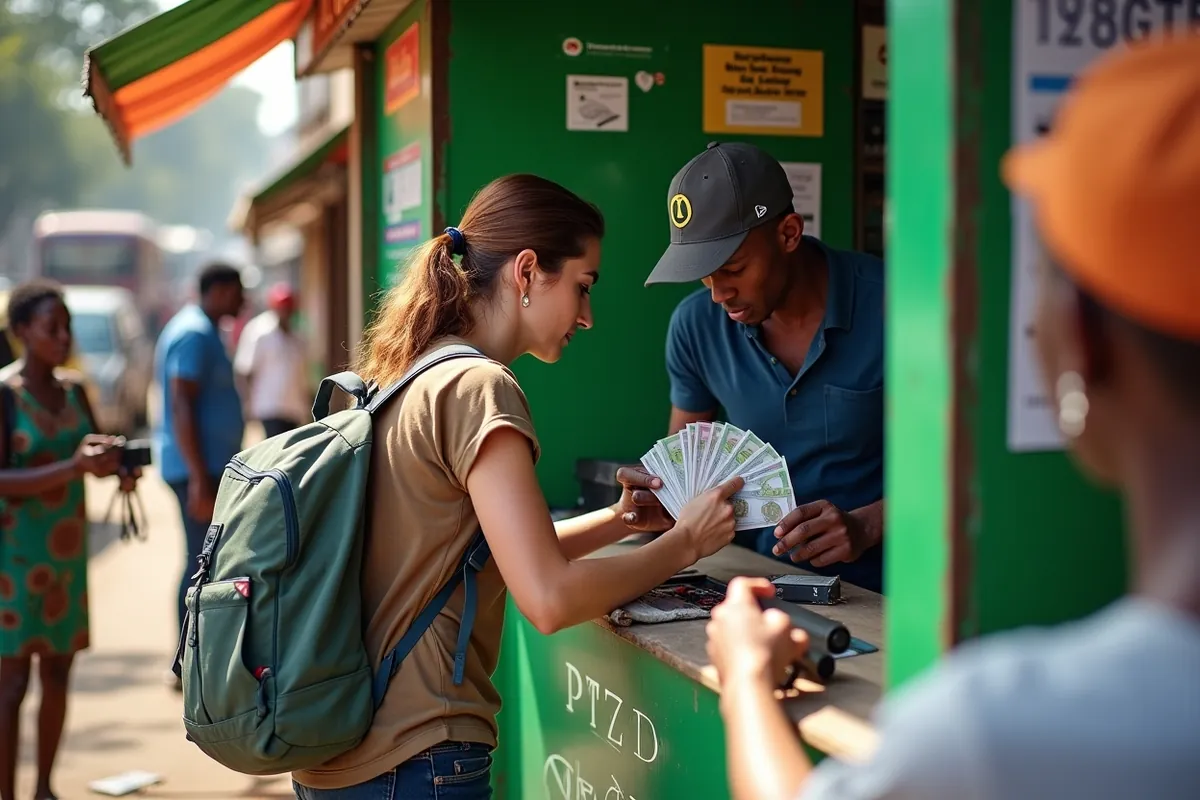
Cash in Kenyan shillings is practical for tips, small purchases, and local transport. Exchange a small amount early and top up as needed, rather than carrying large sums.
Concrete Price Levels You Will Encounter
Prices vary significantly between tourist areas and local spots. The table provides a sense of everyday costs, not a guarantee.
| Expense in Kenya | Typical Range in KES | Approximately in SEK | Comment |
|---|---|---|---|
| SIM card with data (Safaricom) | 200 to 500 | 15 to 40 | Data packages extra |
| Short taxi ride in Nairobi via app | 300 to 800 | 20 to 55 | Depends on traffic and time |
| Simple local lunch | 300 to 900 | 20 to 60 | Nyama choma costs more |
| Bottle of water 500 ml | 50 to 100 | 3 to 7 | More expensive at hotels |
| Tip for guide per day | 500 to 1500 | 35 to 100 | Depends on arrangement |
Exchange rates fluctuate, so view the table as a decision support tool. For cash withdrawals, ATMs in shopping centers are often safer than standalone machines.
Safety in Kenya That Affects Your Day, Not Just Headlines
Kenya is not a country where you need to be afraid all the time. However, you benefit from being methodical.
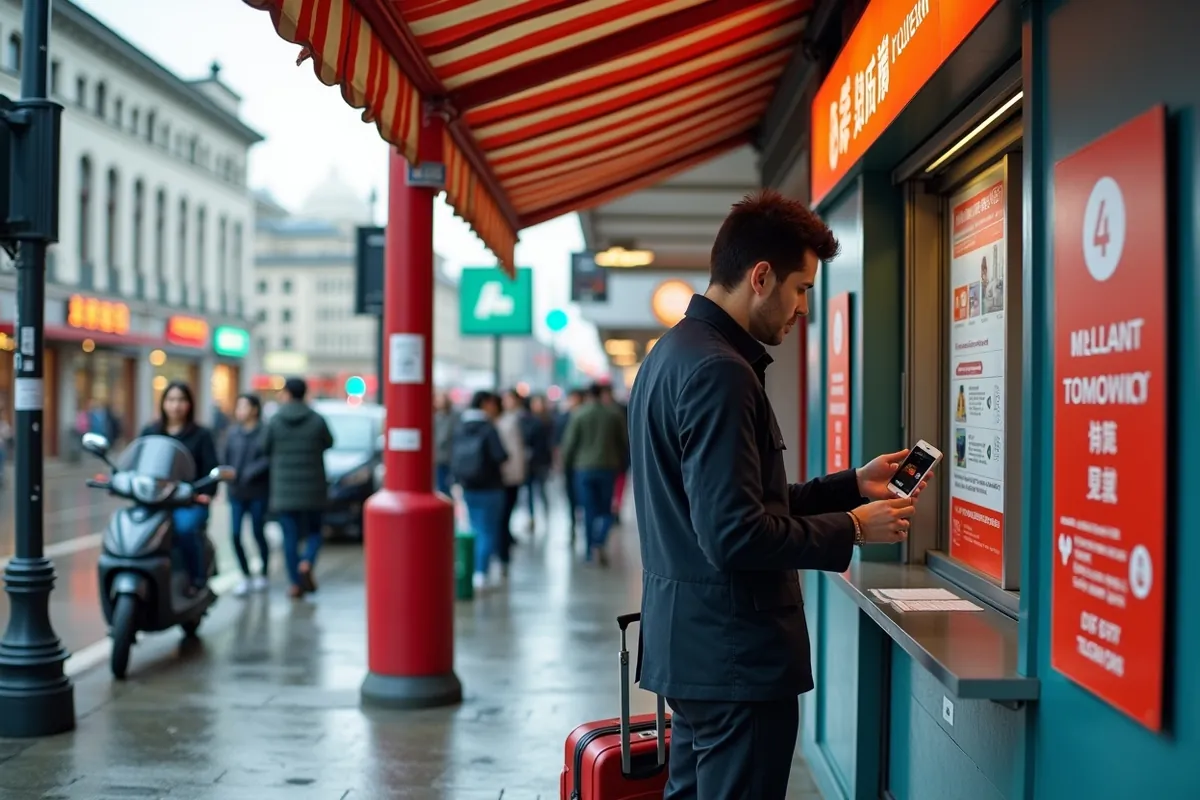
In Nairobi, the most common risk for travelers is petty crime, especially mobile phone snatching and pickpocketing in crowded areas. Keep your phone in a zippered pocket, and avoid standing with it visibly at the roadside while waiting for a car.
At night, your choice of transport is important. Prefer to take a taxi booked through a reputable app or via the hotel, especially between a restaurant and your accommodation.
Along the coast, the atmosphere is often calmer, but opportunistic thefts can occur there as well. Leave your passport in hotel storage when you can, and carry a copy along with another form of ID.
Tip: Double-check current requirements on VIZA.se before booking your flight.
If You Are Traveling with Family
Families often have a smoother trip if they plan for breaks. Traffic in Nairobi can be slow, and children can quickly become tired of waiting.
Keep snacks and drinks in a small day bag. Also, make a simple plan for how to stay together in markets and at ferry terminals, where it can get crowded.
If You Are Only Staying 48 Hours in Nairobi
Two days is enough for a lot, but it requires discipline. Keep your accommodation close to your activities, or else hours will be lost in traffic.
Stick to transport options that can be tracked and paid for securely. Plan activities during daylight, especially if you are moving between different neighborhoods.
Food Habits in Kenya and How to Avoid Stomach Issues
Kenyan food is often simple and filling. Ugali, rice, beans, stews, and grilled meat are common, and along the coast, you will notice influences from Swahili cuisine with more spices and coconut.
Stomach issues often arise more from water and hand hygiene than from the food itself. Drink bottled water and use it even to brush your teeth if you are sensitive.
Street food can be fantastic, but choose places with high turnover and where the food is prepared hot in front of you. Avoid salads washed in unknown water when you are out in the countryside.
If you are invited to try nyama choma, grilled meat, it can be a social occasion rather than a quick meal. Feel free to order together and let someone familiar with the place help you with quantities and sides.
Health and Mosquitoes in Kenya, Practical Tips in the Field
In many safari areas and along the coast, mosquitoes are an evening problem. Long sleeves at dusk and mosquito repellent are often more effective than just relying on spray in the room.
For certain travel routes, malaria prophylaxis may be relevant, especially along the coast and in some lowland areas, while Nairobi at high altitude is often assessed differently. Recommendations vary between healthcare providers and regions, so refer to Swedish travel medical advice linked to your exact travel plan.
Sun and hydration are the next points. Safari involves hours in a vehicle, and you may not always notice how much you are dehydrating. Always keep water easily accessible.
Transport in Kenya, From App Taxi to Safari Vehicle
In Nairobi, app-based taxis are often the most frictionless option. They provide traceability and reduce haggling.
For longer distances between cities, domestic flights are common, and schedules can change. Allow margin if you are heading to safari the same day.
Matatus, minibuses, are part of daily life but can be chaotic for inexperienced travelers. If you prioritize safety and comfort, private transfers or trains between Nairobi and Mombasa are often better choices.
When going on safari, ask what is included in the vehicle. A roof that opens, a cooler, and charging outlets can make a big difference during a long day.
Small Document Details That Can Stop Your Trip
Kenya uses an electronic entry permit solution for many travelers. If your application requires uploading documents, ensure that names and details match your passport exactly as in the machine-readable line of the passport.
Also, have a plan for connectivity. If you need to show an approval upon arrival, it is nice to have access to it even without the internet, save it as a PDF once and keep it on your phone.
One last piece of advice is to keep your insurance details and contact information organized. If something happens, you want to be able to act quickly, not search through your inbox.
Kenya rewards those who travel prepared. When payments, transport, and food choices are in place, the rest is what the country is known for: wild animals in open landscapes, coastal evenings with Swahili cuisine, and a daily life that runs at its own pace.