 Saudiarabien
Ready to apply for a visa to Saudi Arabia?
Start your order online in a few minutes. We guide you step by step until your Saudi Arabia visa is ready.
Order Saudi Arabia visa2,000+ approved applications
Saudi Arabia has tightened its rules regarding tourism and public order in recent years, which is also evident in how photography and filming are assessed on the ground. More is open than before, but the boundaries are clear, and they are often drawn by security personnel, not by a sign.
The most important thing to understand as a Swedish traveler is that Saudi Arabia distinguishes between everyday images and those that may be interpreted as security-sensitive or infringing on privacy. Misunderstandings often arise when someone films the wrong building, or when a person appears in the frame without having consented to it.
Two Risks That Stand Out in Saudi Arabia
The first security risk is photographing government and military environments. This includes police stations, border controls, airport security zones, military vehicles, and even certain government buildings where guards react immediately.
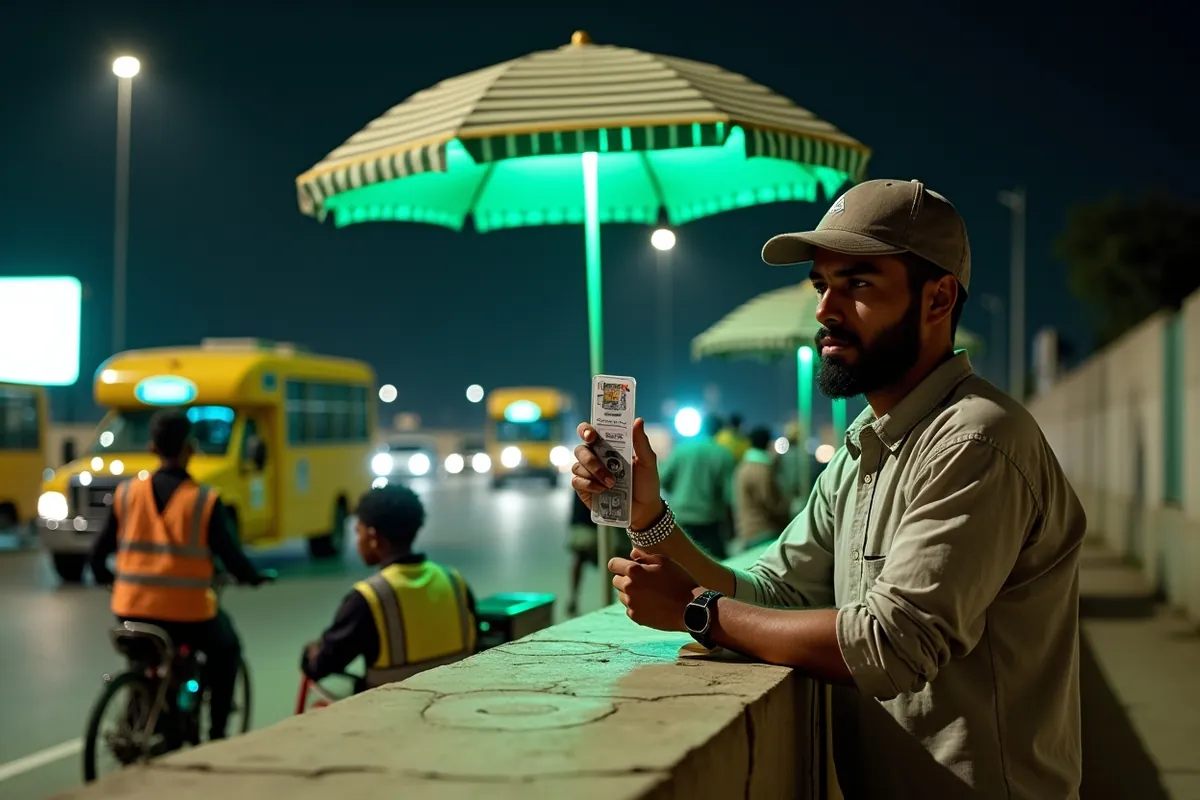
The second risk is privacy, especially concerning women and families in public spaces. An image that feels harmless in Sweden may be perceived as disrespectful in Saudi Arabia, even if you are in a tourist city like Riyadh, Jeddah, or AlUla.
If a guard or security personnel says no, stop filming immediately and calmly ask for instructions. Arguing in front of the camera almost always worsens the situation.
Comparison of Photography Situations and Their Common Assessments
The table below helps you choose safer options depending on the environment. Assessments may vary, but the patterns are stable.
| Situation in Saudi Arabia | Risk Level | Common Reaction | Safer Alternatives |
|---|---|---|---|
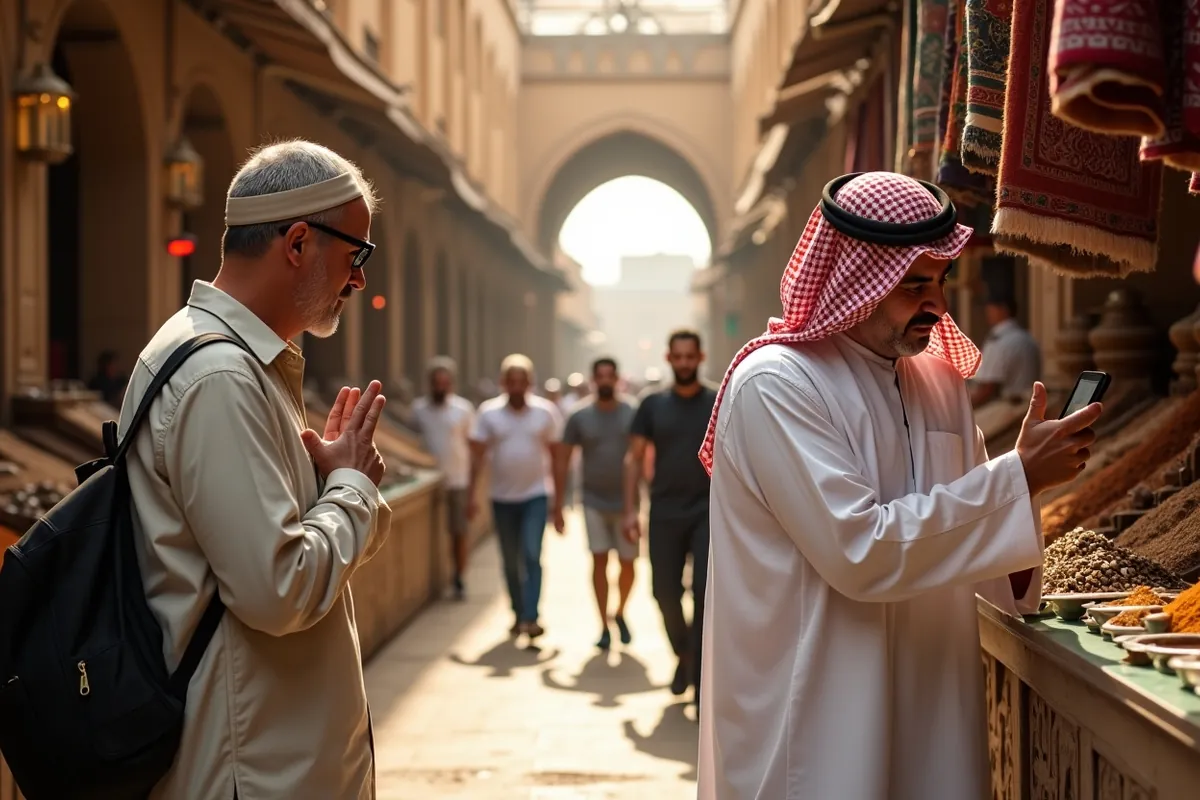
| Souq, café, promenade | Low to medium | Often okay, but questions may arise about visible people | Photograph environments, avoid close-ups of strangers |
| Mosques and religious sites | Medium | Rules may vary, staff may intervene | Ask staff, photograph architecture without visitors |
| Authorities, police, military, checkpoints | High | Warning, demand to delete, sometimes interrogation | Put your phone away, do not photograph at all |
| Museums, events, concerts | Low | Often allowed, sometimes photography is prohibited in parts | Follow signs, ask the organizer |
| Drones outdoors | High | Can lead to confiscation and fines | Leave the drone alone if you lack clear permissions |
The recommendation for most Swedes is simple. Stick to a mobile camera in tourist environments, avoid drones, and never photograph security-related places.
Practical Etiquette That Works
Always ask before taking a picture where a person is the main subject. A short, friendly gesture and a “mumkin sura” may suffice, but English often works in larger cities.
Be extra cautious in family areas, in restaurants with family sections, and in shopping malls. People there may expect more privacy than the environment suggests.
A good tip is to angle the camera towards buildings, food, and signs, allowing people to remain in the background without recognition. This provides great travel photos without creating friction.
- Avoid filming guards, police, and security checks
- Ask for permission before photographing people, especially women
- Respect photography bans in mosques and museums
- Be cautious with live broadcasts and loud sounds in public spaces
- Double-check that your drone is indeed allowed where you are
If You Are Asked to Delete
In Saudi Arabia, you may be asked to delete a photo immediately on the spot. Often, it is enough to show that you are deleting the image, and then the situation will resolve.
If someone wants to see your gallery, stay calm and ask to know exactly which image is the problem. Quickly scrolling through may be perceived as hiding something.
Have screen lock and cloud backup activated, but be prepared for a request to show what you filmed at that moment.
Practical Travel Choices That Reduce Risk
Choose photography locations where photography is normalized, such as AlUla, the Corniche in Jeddah, and larger museums. In such environments, staff are used to tourists and the rules are often clearer.
Also, consider how you travel between places. In taxis and rideshares, it is wise not to film the driver or other passengers. If you want to film the view, keep your phone close to the window and avoid capturing people in the car.
Cash is rarely needed, but if you shop at markets, small purchases of 10 to 30 SAR may be easier with cards or smaller bills. Focus more on safety than on getting the perfect video.
If you are simultaneously planning entry and permits and are unsure which visa type suits you, VIZA.se has a good overview.
The clear line in Saudi Arabia is that respect and caution grant you freedom. Photograph more of the places, less of the people, and leave everything that could be interpreted as security in peace.