 Nigeria
Without the right situational awareness, you risk finding yourself in a part of Nigeria where a short car ride can turn a regular business trip into a security issue with canceled meetings, roadblocks, and curfews.
What complicates matters for Swedish travelers is that Abuja and Lagos are often perceived as two clear points on the map, but the security situation is influenced by neighborhood, time of day, route choices, and how you move between the airport, hotel, and meeting locations. The Swedish Foreign Ministry’s travel information also distinguishes between areas where travel can be undertaken with great caution and areas that should be completely avoided.
The Swedish Foreign Ministry’s Stance on Nigeria and Why It Matters
The Swedish Foreign Ministry’s travel advisory is not just a recommendation. It often affects travel insurance, employer risk assessments, and the ability to receive practical assistance if something happens.
When the Foreign Ministry advises against travel to an area in Nigeria, it usually involves a combination of armed attacks, kidnapping risks, banditry, and difficulties for authorities to maintain order. In practice, this can also mean that roads can be closed quickly and that travel between states becomes difficult to arrange on short notice.
If your trip requires car transport between states, assume that planning must accommodate late changes and that you may need to change routes on the same day.
Abuja: What is Typically Sensitive and How to Minimize Risk
Abuja is Nigeria’s federal capital and is often perceived as more controlled than many other parts of the country. However, security incidents do occur, particularly related to movement on major roads out of the city and to certain outskirts.
The problem arises when travelers book accommodations far from their meetings to save money, or when they include day trips along the way. In Abuja, it is often the movement itself that creates exposure.
The solution is to keep the geography of your trip tight. Choose hotels in areas that your local contact deems stable, plan for short transports, and avoid spontaneous detours. Travel outside the city center should be done with drivers who are familiar with the security situation and can adjust routes based on current roadblocks.
Lagos: Urban Pace and Practical Risk Zones
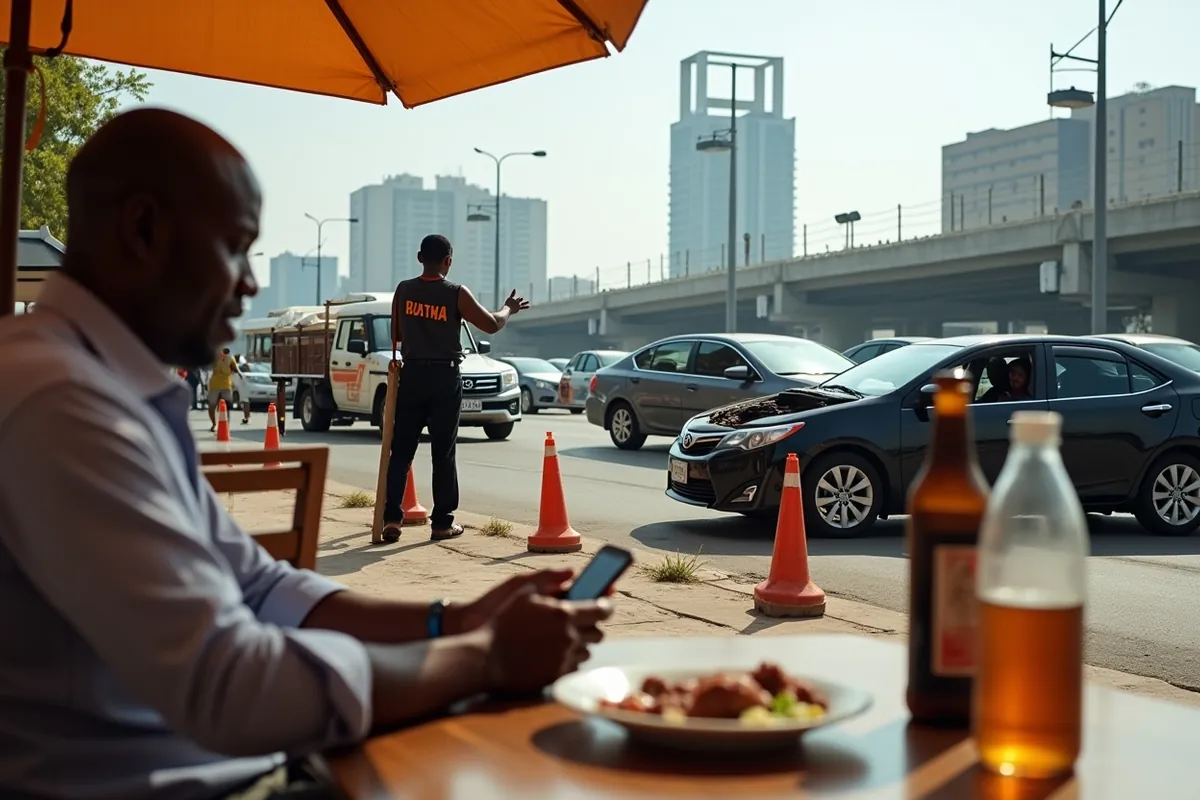
Lagos is Nigeria’s economic hub and at the same time a city where everyday risks can shift rapidly between neighborhoods. Here, Swedish travelers often underestimate how traffic congestion affects safety. Long periods of standstill make you more vulnerable to robberies and opportunistic incidents.
The Foreign Ministry’s advisory for Nigeria is often linked to states and regions rather than specific neighborhoods in Lagos. Nevertheless, your local planning becomes crucial, especially for evening activities and transport to and from Murtala Muhammed International Airport.
Schedule meetings to avoid late car rides. In Lagos, a short distance can turn into several hours in traffic.
Areas the Foreign Ministry Typically Advises Against in Nigeria and How to Interpret It
The Foreign Ministry typically advises against travel to parts of northern Nigeria and to areas where armed groups and kidnappings occur. This often includes border regions and states with recurring attacks, particularly in the northeast and northwest.
For those heading to Abuja or Lagos, this means that side trips, conferences in other states, or land transport may conflict with the Foreign Ministry’s advisory even if your main trip feels safe. This is where many go wrong, booking a meeting in a nearby city without understanding that crossing state lines changes the risk level.
Always check the Foreign Ministry’s current map and wording for Nigeria before departure and, if your trip changes, do a quick re-check. You only need to double-check when the route or accommodation changes.
The entire application process and practical travel requirements are described step by step on VIZA.se.
What You Can Do Now to Travel Smarter in Abuja and Lagos
- Travel only during daylight hours between the airport, hotel, and meetings, and avoid unnecessary stops.
- Use arranged cars with drivers, not spontaneous transport.
- Choose accommodations close to your activities, even if the price in SEK is higher.
- Have a local contact who can confirm the situation on the same morning.
- Keep copies of your passport and visa available, preferably saved as a PDF.
Checklist for Your Trip to Nigeria
| Item | Abuja | Lagos | What You Do |
|---|---|---|---|
| Movements | Risk increases outside central areas | Traffic creates vulnerability | Plan short routes and daytime travel |
| Evening Activities | Limit and stay close to the hotel | Avoid late car rides | Schedule dinners early |
| Side Trips to Other States | Can quickly end up in advised areas | Same risk for conferences outside the city | Check with the Foreign Ministry before booking |
| Type of Transport | Recommended with a driver | Recommended with a driver | Book through hotel or trusted partner |
| Plan B | Important for roadblocks | Important for traffic jams and incidents | Have alternative meeting arrangements |