 Angola
Ready to apply for a visa to Angola?
Start your order online in a few minutes. We guide you step by step until your Angola visa is ready.
Order Angola visa2,000+ approved applications
Angola has over 1,600 kilometers of Atlantic coastline, but many travelers are still caught off guard by how quickly the weather shifts between Luanda’s humidity and Namibe’s dry desert air.
Packing from Luanda to Namibe that Actually Works
I returned from Angola with a suitcase that was a bit too heavy, but I also came away with a clear lesson. It is not the quantity of items that saves the trip, but the right combination for a coastal city, inland, and desert.
Luanda can feel sticky and hot, especially in the middle of the day, while the evenings often turn cooler than you might expect when the sea breeze rolls in. Namibe and the road south can be drier, dustier, and have a greater temperature difference between day and night.
Bring a lightweight long-sleeved shirt even if the forecast shows warmth. It will protect you from the sun, mosquitoes, and chilly evenings by the coast.
Myth 1: Angola is Always Scorching Hot, So Shorts Are Enough
Truth: Angola is not a single temperature. Luanda is often warm and humid, but along the coast, the Benguela Current influences the climate, leading to cooler evenings and foggy mornings.
This is especially evident in Namibe. During the day, the sun can be harsh, but when the light fades, it quickly gets cooler, especially if you are moving towards desert landscapes and open areas.
The best packing strategy is lightweight layers. Think airy clothing that covers the skin, plus a thin fleece or light jacket for evenings and bus rides with air conditioning.
Myth 2: Power Outlets in Angola Always Require Special Adapters
Truth: In Angola, European standard outlets are common. Many hotels and apartments use Type C and Type F, the same as in Sweden, so you can often charge directly.
What complicates things is the quality of electricity. I experienced several short power outages in Luanda, and in smaller towns, this can happen more frequently.
Pack a small power bank that can handle at least a full day of mobile use. It is more valuable than an extra sweater when the power flickers.
Myth 3: Mosquitoes Are Only a Problem During the Rainy Season
Truth: Mosquitoes can appear even when it feels dry and calm, especially near water, green areas, and in neighborhoods where water collects in ditches. In Luanda, this is often noticeable at dusk.
Invest in mosquito protection that you will actually use. A DEET or icaridin-based spray works, but complement it with covering clothing in the evenings. If you sleep with an open window or in simpler accommodations, a thin mosquito net is invaluable.
I also usually bring after-bite cream or hydrocortisone cream for bites that become irritated in the heat.
Myth 4: It Is Easy to Buy Everything on Site
Truth: Luanda has a lot, but prices can feel high and the selection uneven, especially for specific brands or medical products. Further south, you may find what you need, but not always in the right quality or size.
Here is a short packing core that I wish I had followed more strictly:
- Lightweight long pants and a thin long-sleeved shirt
- Sunscreen SPF 50 and lip balm with SPF
- Mosquito repellent and a small travel pharmacy
- Power bank and an extra charging cable
- Closed shoes that can withstand dust
Quick Table to Help You Choose Right
| Area in Angola | Climate Feel | Packing Focus | Good to Know |
|---|---|---|---|
| Luanda | Warm, humid, often cooler evenings | Airy layers, mosquito protection | AC in hotels can be cold |
| Coastal South | Windier, sometimes fog | Light jacket, sunscreen | Sea breeze can trick the skin |
| Namibe | Dry, sunny, cooler nights | Covering clothing, dust-resistant shoes | Desert air dries out |
Money, Small Purchases, and Practical Details in Angola
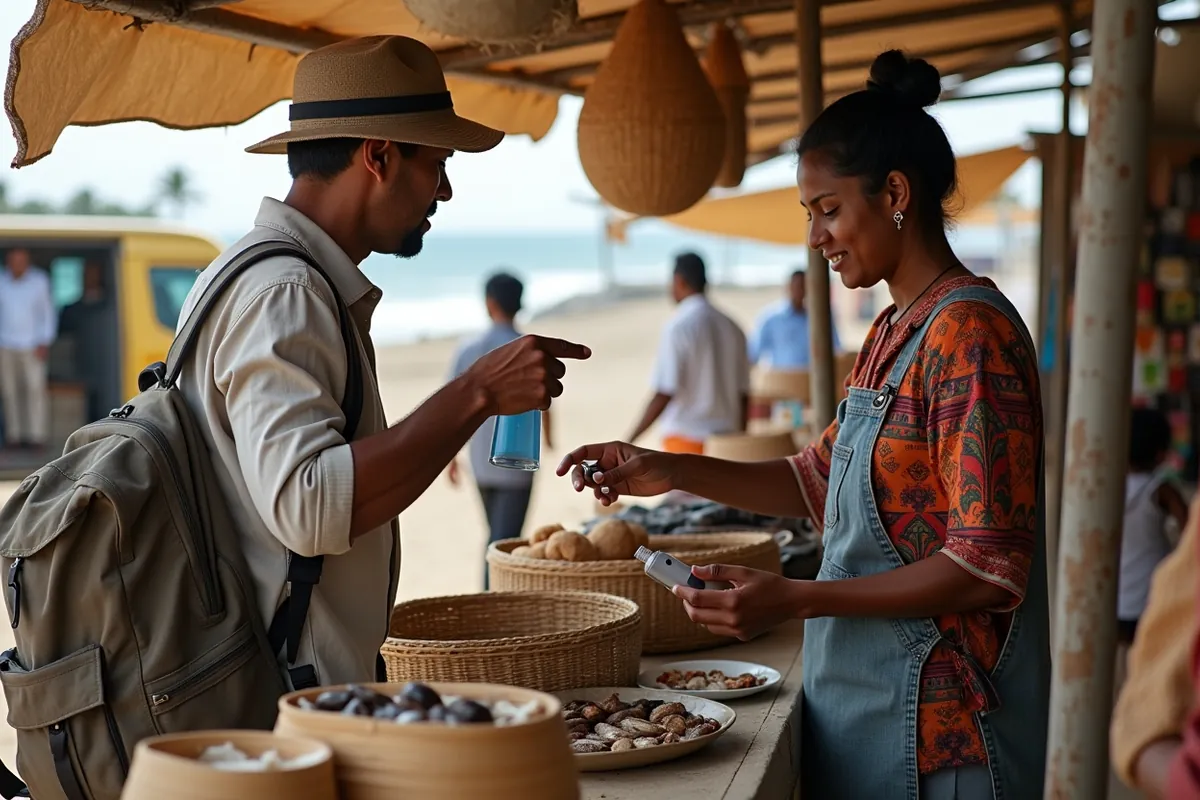
Angola’s currency is the kwanza. Cash is needed more often than you think, and it is nice to have smaller bills for water, snacks, and short transports.
Prices vary, but expect a bottle of water to often cost around 300 to 800 AOA, and a simple meal at a local place can be around 2,000 to 6,000 AOA depending on the city and area. I always kept some small change easily accessible, with the rest deeper in my bag.
Visas and Documents That Affect Your Packing
Many travelers to Angola need to sort out entry permits and documents, which affects what you should have in your carry-on. Have printed or offline copies of bookings and the address of your first accommodation, as you may sometimes be asked questions upon arrival.
The entire application process is described step by step on VIZA.se.
One last tip is to save your important documents as PDFs on your mobile and have a paper copy in your bag. And double-check that your passport has plenty of blank pages for stamps.
Culture and Everyday Life That Influence What You Bring
Angola is relaxed in many ways, but in cities, a neat, discreet style works better than a beach look. I also felt safer when I did not stand out.
Culinarily, it is easy to fall in love with grilled food, fish, and dishes like muamba, but your stomach may need a gentle start. Wet wipes and hand sanitizer are small items that make a big difference, especially on longer travel days between Luanda and Namibe.